The Complete Great Pyrenees Breed Guide
Discover everything you need to know about the majestic Great Pyrenees — a gentle guardian, loyal family companion, and one of the most ancient livestock protection breeds in the world.
Guardian Breed • Family Dog • Large BreedGreat Pyrenees: A Majestic Guardian
The Great Pyrenees is a breed that commands respect and admiration. Standing up to 32 inches at the shoulder and weighing up to 160 pounds, these magnificent dogs are both powerful and gentle — a combination that makes them exceptional family companions and livestock guardians. Known in their native France as the Pyrenean Mountain Dog, these white-coated giants have been protecting flocks in the Pyrenees Mountains for thousands of years.
If you're considering welcoming a Great Pyrenees into your home, you need to understand what makes this breed unique. They are not your typical dog — their independent nature, protective instincts, and size require an owner who is prepared for the commitment. This guide provides the comprehensive information you need to determine if the Great Pyrenees is the right breed for you and how to provide the best possible care.
Quick Decision Guide: The Great Pyrenees is best suited for:
• Families with space — a fenced yard is essential
• Experienced dog owners who understand guardian breeds
• People who want a calm, loyal companion with protective instincts
• Those who can handle heavy shedding and grooming needs
History & Ancient Origins
The Great Pyrenees is one of the oldest dog breeds in existence, with archaeological evidence suggesting their ancestors existed as far back as 3000 BC. These dogs were bred specifically to guard sheep and other livestock in the Pyrenees Mountains, a natural border between France and Spain. Their white coat was not just for show — it helped them blend in with the sheep they protected, allowing them to move among the flock undetected by predators.
In the Middle Ages, these dogs were prized by French nobility and served as castle guards. The breed became known as the "Royal Dog of France" and was favored by King Louis XIV. Despite their royal connections, Great Pyrenees have always remained working dogs at heart, valued for their intelligence, courage, and loyalty.
Today, the Great Pyrenees excels in multiple roles: livestock guardian, family companion, therapy dog, and even competitive obedience. However, their guardian instincts remain strong, and they are always watching over their "flock" — which means your family, home, and other pets.
Temperament & Personality
Understanding the Great Pyrenees temperament is crucial for any potential owner. These dogs are known for their calm, patient, and affectionate nature with family, but they also possess a strong independent streak that can challenge novice owners.
Key Personality Traits
- Gentle and Patient: Great Pyrenees are exceptionally gentle with children and known to be tolerant of the inevitable pulling and poking that comes with young family members. Their patience is legendary.
- Independent Thinkers: Bred to make decisions without human guidance while guarding flocks, these dogs are intelligent and often stubborn. They will listen to commands but require convincing — they do not blindly obey.
- Protective Guardians: Their protective instinct is deeply ingrained. They will bark at perceived threats and stand between their family and anything they consider dangerous. This makes them excellent watchdogs but requires careful socialization.
- Calm and Laid-Back: Inside the home, they are often described as "couch potatoes." They conserve energy for their guarding duties and are generally quiet indoors, despite being vocal outdoors.
- Loyal and Devoted: They bond deeply with their families and are happiest when they can be near their human "flock." They are not typically one-person dogs but rather family-oriented.
Important Note: Great Pyrenees are not suitable for everyone. Their independent nature means they test boundaries. They require an owner who is consistent, patient, and understands how to work with, not against, their guardian instincts.
Care & Maintenance
Caring for a Great Pyrenees requires a significant commitment of time, space, and resources. Here's what you need to know about their daily needs.
Grooming Requirements
The Great Pyrenees has a thick double coat that sheds year-round and heavily during seasonal blows. Their white fur is beautiful but demanding:
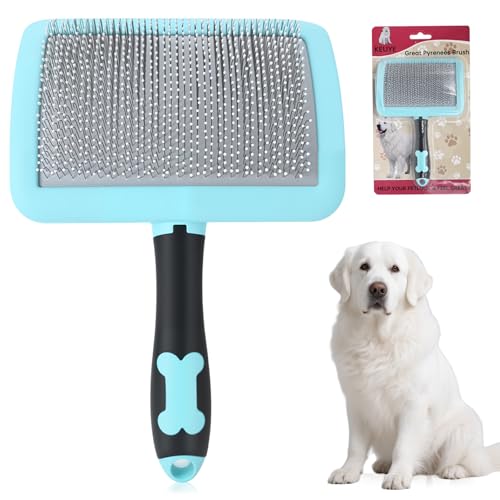
- Brush Weekly (Daily During Shedding Season): Use a slicker brush and undercoat rake to remove loose hair and prevent mats. Expect tumbleweeds of white fur throughout your home.
- Bathe Every 2–3 Months: Frequent bathing strips the natural oils from their coat. Use a high-quality dog shampoo designed for white coats to maintain their brilliant white color.
- Ear Cleaning Weekly: Their floppy ears trap moisture and debris. Clean with a vet-approved ear solution to prevent infections.
- Nail Trimming Every 2–4 Weeks: Their nails grow quickly and can cause discomfort if left untrimmed. Use sharp clippers and have styptic powder ready.
- Dental Care Daily: Brush teeth with dog-specific toothpaste to prevent dental disease, which is common in large breeds.
Exercise Needs
Despite their size, Great Pyrenees do not require excessive exercise. They need about 45–60 minutes of moderate activity daily:
- Daily Walks: 30–45 minutes of leashed walking provides physical activity and mental stimulation. They enjoy sniffing and exploring their territory.
- Off-Leash Time: If you have a securely fenced yard, allow them to patrol and explore. This satisfies their guardian instincts.
- Mental Stimulation: Puzzle toys, training sessions, and scent games are essential. A bored Great Pyrenees can become destructive or develop nuisance barking.
- Breed-Specific Activities: They excel at carting, drafting, and pulling activities. These provide physical and mental outlets that tap into their working heritage.
Training & Socialization
Training a Great Pyrenees requires patience, consistency, and a deep understanding of their unique psychology. They were bred to work independently, which means they don't have the eager-to-please attitude of a Labrador Retriever or German Shepherd.
Socialization: The Foundation of Success
Early and extensive socialization is critical for the Great Pyrenees. Their natural wariness of strangers can develop into fear-based aggression if not addressed properly.
- Start Early (8–16 Weeks): Expose your puppy to various people, children, other dogs, and environments. Every positive experience builds a confident, well-adjusted adult.
- Use Positive Reinforcement: These dogs do not respond well to harsh methods. Use treats, praise, and play to reward desired behaviors. Build trust through positive interactions.
- Be Consistent: The independent nature means they will test rules. Everyone in the household must enforce the same boundaries to prevent confusion.
- Control the Environment: Expose them to new experiences in controlled, calm settings. A stressed puppy will develop negative associations.
Essential Commands
Focus on these commands for safety and daily management:
- Recall (Come): This is difficult with independent breeds. Practice in safe, enclosed areas. Never punish a slow recall — always reward coming to you.
- Leave It: Essential for preventing them from eating dangerous items. Practice regularly with varying distractions.
- Drop It: Necessary for retrieving items they've picked up. Trade for high-value treats to build a positive association.
- Quiet: They are vocal guardians. Teaching a quiet command helps manage excessive barking without suppressing their protective instincts.
Training Reality Check: You are not going to have a dog that performs elaborate tricks. The Great Pyrenees is a guardian, not a show dog. Focus on manners, safety, and reliability.
Health & Wellness
Like all purebred dogs, the Great Pyrenees is predisposed to certain health conditions. Working with a reputable breeder who conducts health testing reduces the risk, but it's essential to know what to watch for.
Common Health Issues
- Hip Dysplasia: One of the most common orthopedic issues in large breeds. Ensure your dog maintains a healthy weight and consider joint supplements as they age. Regular vet check-ups and X-rays can catch this early.
- Elbow Dysplasia: Similar to hip dysplasia, this affects elbow joints and causes lameness. Responsible breeders screen for this condition.
- Bloat (Gastric Dilatation-Volvulus): A life-threatening emergency where the stomach twists. Feeding two smaller meals daily, avoiding vigorous exercise after eating, and knowing the signs (distended abdomen, unproductive retching) are critical.
- Hypothyroidism: An underactive thyroid gland causing weight gain, lethargy, and skin issues. Treatable with medication.
- Entropion/Ectropion: Eyelid conditions that cause irritation and require surgical correction in some cases.
Preventive Care
- Annual Vet Visits: Twice-yearly checkups for adults (7+ years). Blood work should be routine for senior dogs.
- Vaccinations: Core vaccines (rabies, DHPP) and non-core based on lifestyle. Discuss with your vet.
- Parasite Prevention: Year-round flea, tick, and heartworm prevention. Intestinal parasite screening at every vet visit.
- Weight Management: Obesity exacerbates joint issues. Keep your Great Pyrenees at an ideal body condition. You should be able to feel their ribs.
Cost-Saving Advice: Pet insurance is strongly recommended for this breed. A single orthopedic surgery can cost $4,000–$8,000, and emergency bloat surgery is even more expensive. Enroll your puppy early before any conditions develop.
Nutrition & Diet
Proper nutrition is the foundation of health for a giant breed. The Great Pyrenees requires a balanced diet appropriate for their size, age, and activity level.
Feeding Guidelines
- Puppy Diet: Large-breed puppy formula is essential for controlled growth. Too much calcium and calories can lead to rapid growth, which contributes to joint problems. Feed 3 meals daily until 6 months, then 2 meals.
- Adult Diet: 4–6 cups of high-quality dry food daily, divided into two meals. Adjust based on your dog's body condition and activity level.
- Senior Diet: Lower calorie formulas with joint supplements. Consider switching around age 7 or as recommended by your vet.
- Protein and Fat: Look for food with 22–26% protein and 12–15% fat. Animal protein should be the first ingredient.
Feeding Tips
- Prevent Bloat: Feed two smaller meals daily rather than one large meal. Avoid vigorous exercise for at least one hour after eating. Use a slow-feeder bowl if your dog eats too quickly.
- Fresh Water: Always provide clean, fresh water. Great Pyrenees are susceptible to bloat, so monitor water intake after meals.
- Treats: Use healthy treats in moderation. The best dog treats are low-calorie and made from natural ingredients. Training treats should be small and high-value.
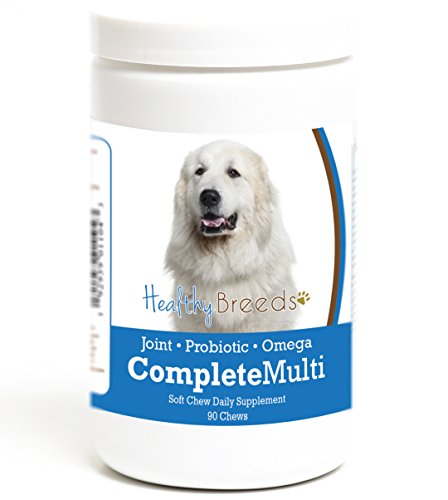
- Supplements: Discuss glucosamine, chondroitin, and fish oil with your vet. These support joint health and coat quality.
Living with a Great Pyrenees
Living with a Great Pyrenees is a unique experience that requires adjustments to your lifestyle. Here's what to expect.
Space Requirements
These dogs need space. While they can adapt to suburban life, a securely fenced yard is non-negotiable. They are not apartment dogs.
- Fencing: At least 4–6 feet tall with no gaps. Great Pyrenees are known to dig, so consider buried fencing.
- Indoor Space: They need room to stretch out. A large bed or cooling mat is essential.
- Outdoor Access: They love to patrol their territory. A yard with good visibility allows them to perform their guardian duties.
Barking
Barking is a feature, not a bug, of this breed. They were bred to alert their flock to predators, and they will bark at anything they perceive as a threat:
- Night Barking: They are nocturnal guardians. Expect them to be more active and vocal at night.
- Management: Provide visual barriers (fences) to reduce triggers. A quiet command can help, but you cannot eliminate their barking entirely.
Family Life
- With Children: Excellent with children, but their size can be overwhelming for toddlers. Supervise interactions and teach children to respect the dog's space.
- With Other Pets: They are generally good with dogs and cats, especially if raised together. They are guardians, not hunters.
- With Strangers: They are aloof with strangers. Proper socialization creates a dog that is tolerant but not overly friendly.
Is the Great Pyrenees right for you? If you want a dog that will protect your family with unwavering loyalty, who is calm and gentle indoors, and who will be your constant companion, yes. If you want a dog that will run agility courses, fetch endlessly, or be off-leash in unfenced areas, this is not your breed.
Costs & Budget
Owning a Great Pyrenees is a significant financial commitment. Here's a breakdown of what to expect.
Initial Costs
- Purchase Price: $800–$2,500 from a reputable breeder. Adoption fees from rescue organizations are typically $100–$450.
- Initial Supplies: $300–$600 for crate, bed, food bowls, leash, collar, grooming tools, and toys.
- First Vet Visit: $200–$500 for initial exam, vaccinations, and parasite prevention.
Annual Costs
- Food: $600–$1,200 annually depending on brand and size. Large-breed dogs eat a lot.
- Routine Vet Care: $300–$600 for annual exams, vaccines, and parasite prevention.
- Grooming: $400–$800 if using professional grooming services. DIY reduces costs but requires time and equipment.
- Pet Insurance: $600–$1,200 annually for comprehensive coverage. Strongly recommended for this breed.
- Miscellaneous: $300–$500 for toys, treats, supplies, and training.
Budgeting Tip: Set aside $1,000–$2,000 annually for routine costs and an emergency fund of at least $3,000–$5,000 for unexpected medical issues. Bloat surgery and orthopedic surgeries are expensive.
Frequently Asked Questions
Ready to Welcome a Great Pyrenees?
This breed is a magnificent companion for the right owner. If you have the space, patience, and commitment to work with their independent nature, you will be rewarded with a loyal guardian who will protect your family with unwavering devotion. If you are not sure if this breed is right for you, explore our complete dog breeds guide to find the perfect match for your lifestyle.