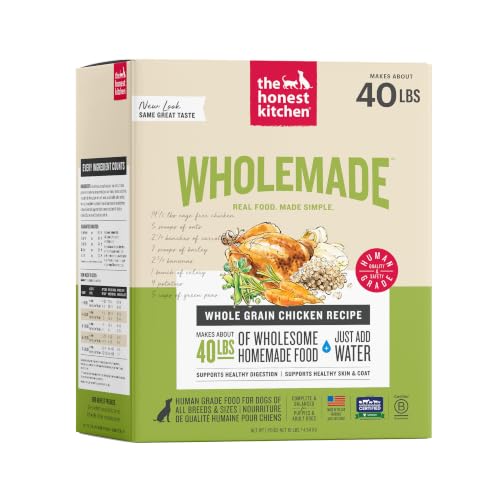
Healthy Homemade Dog Food Recipes for Large Dogs
Discover vet-approved, nutrient-balanced recipes designed specifically for the unique needs of large breed dogs — from portion control and joint support to safe ingredients and practical meal prep.
Large dogs have unique nutritional requirements that differ significantly from their smaller counterparts. Their rapid growth rate as puppies, higher bone density, and greater susceptibility to joint issues mean that what you feed them matters — a lot. While commercial dog food is convenient, many owners are turning to homemade cooked dog food recipes to take control of their large dog's nutrition.
But homemade food isn't as simple as mixing meat and vegetables. Large breed dogs need carefully balanced ratios of protein, fat, calcium, phosphorus, and other nutrients to thrive. This guide provides vet-informed recipes and practical guidance to help you feed your large dog safely and effectively.
Why Homemade Food for Large Dogs?
There are several compelling reasons large dog owners choose homemade meals:
- Control over ingredients: You know exactly what goes into every meal. No mystery by-products, artificial preservatives, or low-quality fillers.
- Customization for health conditions: Large breeds are prone to specific issues like hip dysplasia, arthritis, and food sensitivities. Homemade food can be tailored to address these concerns.
- Higher palatability: Picky eaters often show more enthusiasm for fresh, home-cooked meals.
- Weight management: Large dogs are prone to obesity, which worsens joint problems. Homemade food allows precise portion control.
- Peace of mind: You avoid the risk of recalls and contamination associated with commercial pet food.
Important Note: Homemade food is only healthy if it's nutritionally complete and balanced. A diet of just meat and rice will cause serious deficiencies over time. Always work with a veterinary nutritionist or use recipes that have been formulated to meet AAFCO standards for your dog's life stage.
Key Nutritional Needs of Large Breeds
Large dogs (typically 50+ pounds as adults) have specific nutritional requirements:
Protein
Large dogs need high-quality protein for muscle maintenance and repair. Adult large breeds typically require 22–27% protein on a dry matter basis. Puppies of large breeds need slightly less protein than small breed puppies to avoid growing too quickly, which can stress developing joints.
Fat
Fat provides concentrated energy and supports skin and coat health. Large breeds generally need 12–18% fat in their diet. Active working dogs may need more, while less active or senior large dogs may need less to prevent weight gain.
Calcium and Phosphorus
This is critical for large breed puppies. An imbalance or excess of calcium can cause developmental orthopedic diseases like hip dysplasia and osteochondritis dissecans (OCD). The calcium-to-phosphorus ratio should be approximately 1.2:1 to 1.5:1. Never supplement calcium without veterinary guidance.
Joint Support Nutrients
Glucosamine, chondroitin, omega-3 fatty acids (EPA/DHA), and green-lipped mussel are beneficial for large breeds prone to joint issues. These can be incorporated through ingredients like fish, cartilage, and specific supplements.
Fiber
Fiber supports digestive health and helps large dogs feel full. Sources like pumpkin, sweet potato, and green beans are excellent additions to homemade meals.
Safe vs. Unsafe Ingredients
Before you start cooking, know which ingredients are safe and which are dangerous:
Safe Ingredients
- Proteins: Chicken, turkey, beef, lamb, fish (salmon, sardines), eggs
- Carbohydrates: Brown rice, oatmeal, sweet potatoes, quinoa, barley
- Vegetables: Carrots, green beans, peas, spinach, zucchini, pumpkin, broccoli (in moderation)
- Fruits: Blueberries, apples (no seeds), bananas, watermelon (no rind)
- Healthy fats: Fish oil, coconut oil (small amounts), flaxseed oil
- Supplements: Calcium sources (eggshell powder, bone meal), joint supplements, vitamin E
Unsafe Ingredients (Never Feed)
- Toxic foods: Chocolate, grapes, raisins, onions, garlic, xylitol, macadamia nuts, avocado
- Harmful items: Cooked bones (can splinter), raw salmon (parasites), excessive salt, alcohol, caffeine
- Questionable ingredients: Corn (common allergen), soy (common allergen), artificial sweeteners, preservatives
Pro Tip: Always introduce new ingredients one at a time and monitor for digestive upset or allergic reactions. Large dogs can have sensitive stomachs just like small breeds. Check out our guide on homemade dog food for sensitive stomachs for more tips.
5 Vet-Approved Homemade Dog Food Recipes for Large Dogs
These recipes are designed to be nutritionally balanced for adult large breed dogs. Always consult your veterinarian before switching to a homemade diet, and adjust portions based on your dog's weight, activity level, and health status.
1. Chicken & Brown Rice Power Bowl
Ingredients: 3 lbs ground chicken, 2 cups cooked brown rice, 1 cup steamed carrots (chopped), 1 cup steamed green beans, 2 tbsp fish oil, 1 tsp eggshell powder (calcium).
Instructions: Cook ground chicken thoroughly. Mix with cooked rice and steamed vegetables. Add fish oil and eggshell powder. Cool before serving.
Why it works: Lean protein, complex carbs, and joint-supporting omega-3s. Great for daily maintenance.
Everyday Essential2. Beef & Sweet Potato Stew
Ingredients: 2 lbs lean ground beef, 2 medium sweet potatoes (cooked and mashed), 1 cup peas, 1 cup chopped spinach, 1 tbsp coconut oil, 1 tsp ground eggshell.
Instructions: Brown the beef and drain excess fat. Mix with mashed sweet potato, peas, and spinach. Stir in coconut oil and eggshell powder.
Why it works: Rich in iron and beta-carotene. Sweet potatoes provide slow-release energy for active large dogs.
High-Energy3. Salmon & Quinoa Joint Support
Ingredients: 2 lbs canned salmon (with bones, no salt added), 2 cups cooked quinoa, 1 cup steamed broccoli (chopped), 1 tbsp ground flaxseed, 1 tsp kelp powder (optional).
Instructions: Mash salmon with bones (excellent calcium source). Mix with quinoa and broccoli. Add flaxseed and kelp. Serve at room temperature.
Why it works: Omega-3s from salmon and flaxseed reduce inflammation. Quinoa provides complete protein. Bones supply natural calcium.
Premium Joint Care4. Turkey & Oatmeal Digestive Blend
Ingredients: 3 lbs ground turkey, 2 cups cooked oatmeal, 1 cup canned pumpkin (not pie filling), 1 cup grated zucchini, 1 tbsp olive oil, 1 tsp eggshell powder.
Instructions: Cook turkey thoroughly. Mix with cooked oatmeal, pumpkin, and zucchini. Add olive oil and eggshell powder. This recipe freezes well.
Why it works: Gentle on digestion. Pumpkin and oatmeal provide soluble fiber. Ideal for large dogs with sensitive stomachs.
Sensitive Stomach5. Lamb & Barley Hearty Meal
Ingredients: 2.5 lbs ground lamb, 2 cups cooked pearl barley, 1 cup steamed butternut squash (cubed), 1 cup chopped kale, 1 tbsp fish oil, 1 tsp ground eggshell.
Instructions: Brown lamb and drain fat. Mix with barley, squash, and kale. Stir in fish oil and eggshell. Let cool before serving.
Why it works: Lamb is rich in iron and B vitamins. Barley provides sustained energy. Kale adds antioxidants and fiber.
Hearty & RichRecipe Note: These recipes are designed for a 70–90 lb adult dog and yield approximately 4–5 days of food when fed at 2–3 cups per day. Adjust quantities based on your individual dog's needs. Always transition slowly over 7–10 days by mixing homemade food with their current diet.
Portion Control & Feeding Guide
One of the biggest advantages of homemade food is portion control. Large dogs are prone to obesity, which puts extra strain on joints and increases the risk of other health problems.
How Much to Feed
The general guideline for adult dogs is 2–3% of their body weight in food per day. For a 80 lb dog, that's approximately 1.6–2.4 lbs of food daily, split into two meals. However, this varies based on:
- Activity level: Working and highly active dogs need more; couch potatoes need less.
- Age: Puppies need more per pound than adults; seniors often need less.
- Metabolism: Every dog is different. Monitor body condition and adjust.
- Health status: Dogs with certain conditions may need specific adjustments.
Body Condition Scoring
Use the body condition score (BCS) system to assess if your dog is at a healthy weight:
- Ribs: You should be able to feel (but not see) your dog's ribs with light pressure.
- Waist: From above, there should be a visible waist behind the rib cage.
- Belly: From the side, the belly should tuck up slightly.
- Overall: The dog should look athletic and lean, not round or bulky.
Meal Prep & Storage Tips
Making homemade food for a large dog means preparing large batches. Here's how to do it safely and efficiently:
- Batch cooking: Cook once or twice a week in large quantities. A large stockpot or slow cooker works well for big batches.
- Portioning: Divide the cooked food into daily or meal-sized portions using airtight containers or freezer bags.
- Refrigeration: Cooked homemade dog food keeps in the refrigerator for 3–4 days. Label with the date.
- Freezing: Freeze portions for up to 3 months. Thaw in the refrigerator overnight before serving. Never thaw at room temperature.
- Reheating: Some dogs prefer warm food. Gently warm (not hot) before serving. Never microwave in plastic containers.
Efficiency Tip: Invest in a chest freezer if you plan to make homemade food long-term. It allows you to take advantage of sales on meat and prepare larger batches less frequently. For large dogs, this is a game-changer.
Transitioning to Homemade Food
Switching from commercial food to homemade should be done gradually to prevent digestive upset:
- Days 1–3: 75% current food + 25% homemade food
- Days 4–6: 50% current food + 50% homemade food
- Days 7–9: 25% current food + 75% homemade food
- Day 10 onward: 100% homemade food
Monitor your dog's stool consistency, energy level, and appetite during the transition. If you notice diarrhea or vomiting, slow down the transition or consult your vet.
Frequently Asked Questions
Ready to Get Started?
Homemade food can be a wonderful way to nourish your large dog, but it requires commitment and attention to detail. Start with one of the recipes above, consult your vet about supplementation, and monitor your dog's health closely. For more recipe ideas, explore our collection of homemade cooked dog food recipes and our guide on homemade food for small dogs if you have a multi-dog household. Your large dog will thank you with better health, more energy, and a shinier coat.