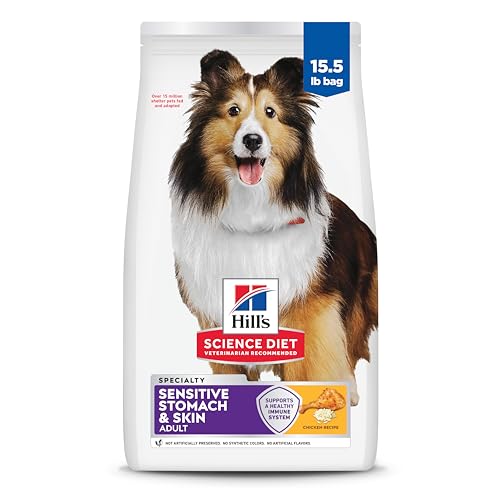
Homemade Dog Food for Senior Dogs with Sensitive Stomachs
Discover how to prepare nutritious, vet-approved homemade meals that are gentle on your senior dog's digestive system, helping them thrive in their golden years.
As your dog enters their senior years, their nutritional needs change significantly. Many older dogs develop sensitive stomachs, making them more prone to digestive upset, food intolerances, and reduced appetite. Commercial dog foods, even high-quality ones, may contain ingredients that are difficult for a senior dog to digest, such as artificial preservatives, fillers, and low-quality proteins.
Homemade dog food offers a solution. By preparing meals at home, you can control exactly what goes into your dog's bowl, ensuring they receive gentle, easily digestible ingredients tailored to their specific health needs. This guide will walk you through everything you need to know about creating a balanced, homemade diet for your senior dog with a sensitive stomach — from choosing the right ingredients to ensuring nutritional completeness.
Why Consider Homemade Food for Senior Dogs?
There are several compelling reasons why homemade food might be the right choice for your aging canine companion:
- Complete control over ingredients: You know exactly what your dog is eating, eliminating mystery by-products, artificial additives, and potential allergens that can trigger digestive issues.
- Easily digestible proteins: You can select lean, high-quality proteins that are gentle on a sensitive stomach, such as skinless chicken breast, turkey, or white fish.
- Customized nutrition: Senior dogs often have specific health concerns like kidney disease, joint issues, or food allergies. Homemade food allows you to tailor meals to address these conditions under veterinary guidance.
- Improved hydration: Homemade meals typically have higher moisture content than dry kibble, which is beneficial for senior dogs who may be prone to dehydration.
- Increased palatability: Many senior dogs lose interest in food due to reduced senses of smell and taste. Fresh, home-cooked meals are often more enticing and can help stimulate appetite.
- Avoiding commercial recalls: By making food at home, you eliminate the risk of your dog being affected by commercial pet food recalls due to contamination or quality issues.
Important: While homemade diets can be highly beneficial, they must be nutritionally complete and balanced. A diet that is not properly formulated can lead to serious nutritional deficiencies. Always work with a board-certified veterinary nutritionist to ensure your dog's homemade meals meet all their dietary requirements.
Key Nutrients for Senior Dogs with Sensitive Stomachs
When preparing homemade food for a senior dog with a sensitive stomach, it's crucial to focus on nutrients that support digestive health, maintain muscle mass, and address age-related concerns.
Protein
Senior dogs need high-quality, easily digestible protein to maintain muscle mass and support immune function. However, their digestive systems may struggle with rich or fatty proteins. Focus on lean sources like skinless chicken, turkey, white fish, and eggs. The protein should be cooked thoroughly to reduce the risk of bacterial contamination.
Fats
Fats provide essential fatty acids and energy. For sensitive stomachs, it's best to choose low-fat sources like skinless poultry or fish. Omega-3 fatty acids, found in fish oil or flaxseed, are particularly beneficial for reducing inflammation and supporting joint health. Avoid high-fat meats like beef or lamb, which can trigger pancreatitis or diarrhea.
Carbohydrates
Easily digestible carbohydrates provide energy and fiber. White rice and sweet potatoes are excellent choices for sensitive stomachs because they are gentle on the digestive tract and help firm up stools. Avoid complex carbohydrates like beans or whole grains that can be harder to digest.
Fiber
Fiber is important for digestive health, but the type and amount matter. Soluble fiber (like that found in pumpkin) can help regulate bowel movements and soothe an upset stomach. Too much insoluble fiber can irritate a sensitive gut, so avoid overloading on vegetables like broccoli or cabbage.
Vitamins and Minerals
A balanced homemade diet should include a variety of vegetables to provide essential vitamins and minerals. However, some vegetables can be gas-producing. Stick with easily digestible options like carrots, green beans, and zucchini, cooked until soft. Calcium is a critical mineral that is often lacking in homemade diets; a calcium supplement (like ground eggshell or a commercial calcium source) is usually necessary.
Safe and Unsafe Ingredients
Knowing which foods are safe for your senior dog is paramount. Some human foods are toxic, while others can cause digestive upset.
Safe Ingredients (Digestive-Friendly)
- Skinless chicken breast: Lean and easy to digest.
- Turkey breast: Another excellent lean protein source.
- White fish (cod, pollock): Low in fat and highly digestible.
- Eggs: Scrambled or boiled, a great source of protein and healthy fats.
- White rice: A bland, easily digestible carbohydrate.
- Sweet potatoes: Cooked and mashed, rich in fiber and vitamins.
- Pumpkin (plain, canned or fresh): Soothes the stomach and aids digestion.
- Green beans: Cooked and chopped, a good source of fiber.
- Carrots: Cooked and mashed, rich in beta-carotene.
- Zucchini: Cooked and pureed, easy on the stomach.
Unsafe Ingredients (Avoid)
- Onions and garlic: Toxic to red blood cells.
- Grapes and raisins: Can cause kidney failure.
- Chocolate: Contains theobromine, which is toxic.
- Xylitol: An artificial sweetener that causes hypoglycemia.
- Macadamia nuts: Can cause weakness and tremors.
- Avocado: Contains persin, which can cause vomiting and diarrhea.
- High-fat meats (beef, lamb, pork): Can trigger pancreatitis and diarrhea.
- Dairy products: Many senior dogs are lactose intolerant.
- Spices and seasonings: Can irritate the digestive tract.
- Bones: Cooked bones can splinter and cause internal injury.
Vet-Approved Homemade Recipes
Here are some gentle, easy-to-prepare recipes for your senior dog. Remember to consult your vet or a veterinary nutritionist before making homemade food a regular part of your dog's diet to ensure it meets all their nutritional needs.
Gentle Chicken & Rice Bowl
Ingredients: 1 lb skinless chicken breast, 1 cup cooked white rice, 1/2 cup cooked and mashed sweet potato, 1/4 cup plain canned pumpkin (not pie filling).
Instructions: Boil the chicken until fully cooked, then shred it. Mix with the cooked rice, mashed sweet potato, and pumpkin. Serve warm. This recipe is bland, highly digestible, and perfect for settling an upset stomach.
Easy on the stomachWhite Fish & Potato Stew
Ingredients: 1 lb white fish (cod or pollock), 2 medium potatoes (peeled and cubed), 1/2 cup cooked and chopped green beans.
Instructions: Boil the potatoes until tender. Add the fish and cook until it flakes easily. Mix in the green beans. Mash everything together for a soft, stew-like consistency that is easy for senior dogs to eat.
Low-fat & gentleTurkey & Veggie Medley
Ingredients: 1 lb ground turkey (lean), 1 cup cooked quinoa, 1/2 cup cooked and pureed carrots, 1/4 cup cooked and pureed zucchini.
Instructions: Brown the turkey in a pan without oil, then drain any excess fat. Mix with the cooked quinoa and pureed vegetables. Quinoa provides a complete protein profile, while the vegetables add essential vitamins.
Nutrient-richEgg & Pumpkin Scramble
Ingredients: 2 eggs, 2 tablespoons plain canned pumpkin, 1/4 cup cooked white rice.
Instructions: Scramble the eggs in a non-stick pan without butter or oil. Once cooked, mix in the pumpkin and rice. This is a quick, protein-packed meal that is very easy to digest.
Quick & simpleHow to Transition to Homemade Food
Switching your senior dog to a homemade diet should be done gradually to prevent digestive upset. Here is a step-by-step guide for a smooth transition:
- Consult your veterinarian: Before starting, discuss your plans with your vet to ensure homemade food is appropriate for your dog's specific health conditions.
- Start with a bland recipe: Begin with a simple, bland recipe like the Gentle Chicken & Rice Bowl. This helps your dog adjust to the new texture and ingredients.
- Gradual mixing: Over 7-10 days, gradually increase the proportion of homemade food while decreasing their old food. Start with 25% homemade, 75% old food, and slowly work your way up to 100% homemade.
- Monitor closely: Watch for signs of digestive upset, such as diarrhea, vomiting, or loss of appetite. If these occur, slow down the transition or consult your vet.
- Establish a routine: Feed your dog at the same times each day to help regulate their digestive system.
Essential Supplements and Balanced Nutrition
One of the biggest challenges of homemade dog food is ensuring it is nutritionally complete. A diet of just meat and rice is deficient in several essential nutrients, particularly calcium. Here are key supplements to consider, always under veterinary guidance:
- Calcium: Crucial for bone health. Can be provided via ground eggshells or a commercial calcium supplement. The correct calcium-to-phosphorus ratio is vital.
- Omega-3 Fatty Acids: Fish oil is excellent for reducing inflammation, supporting joint health, and promoting a healthy coat and skin.
- Joint Supplements: Glucosamine and chondroitin can help manage arthritis and joint pain, which is common in senior dogs.
- Multivitamin/Mineral Complex: A canine-specific multivitamin can help fill nutritional gaps, but it should be formulated for homemade diets, not just added on top of an already complete food.
- Probiotics: A high-quality dog probiotic can support digestive health and help soothe a sensitive stomach.
Pro Tip: Consider consulting a board-certified veterinary nutritionist. They can formulate a complete and balanced recipe specifically for your dog's weight, age, and health conditions, and provide a precise supplementation plan. This is the safest way to ensure your dog's homemade diet is nutritionally sound.
Feeding Guidelines and Portion Control
Determining the right amount to feed your senior dog is crucial for maintaining a healthy weight and preventing obesity, which can worsen joint problems and other health issues.
A general starting point is to feed 2-3% of your dog's body weight per day. For example, a 20-pound dog would get 0.4 to 0.6 pounds (about 6.4 to 9.6 ounces) of food daily, split into two meals. However, this is just a guideline. The exact amount depends on your dog's activity level, metabolism, and body condition.
Monitor your dog's body condition score (BCS) regularly. You should be able to feel their ribs with light pressure but not see them. They should have a visible waist when viewed from above. Adjust portion sizes based on their BCS and consult your vet for personalized advice.
Frequently Asked Questions
Final Thoughts
Preparing homemade food for your senior dog with a sensitive stomach can be a rewarding way to support their health and well-being. By focusing on gentle, easily digestible ingredients and working closely with your veterinarian, you can create meals that are both nutritious and soothing for their digestive system. Remember, the key to success is nutritional balance and a gradual transition. For more recipe ideas, explore our homemade cooked dog food recipes and learn about healthy homemade dog food for small dogs.