Heartworm Prevention: The Ultimate Guide for Dog Owners
Protect your dog from this deadly but preventable disease. Learn about the best prevention methods, costs, and how to keep your furry friend safe year-round.
Heartworm disease is one of the most serious and potentially fatal conditions a dog can face. It is caused by the parasitic worm Dirofilaria immitis, which lives in the heart, lungs, and associated blood vessels. However, the disease is almost entirely preventable. This guide provides you with all the essential information you need to make an informed decision about protecting your dog.
In the United States, heartworm is a growing concern, with cases reported in all 50 states. The parasite is transmitted by mosquitoes, meaning any dog, anywhere, is at risk. The most effective strategy is a year-round prevention plan, which is safe, affordable, and easier than treating the disease after infection.
The Good News: Heartworm prevention is highly effective and simple to administer. Monthly chewable tablets, topical treatments, and annual injections provide robust protection. This guide will help you understand all your options so you can choose what's best for your dog.
What Is Heartworm Disease?
Heartworm disease is a serious and progressive illness in dogs caused by a parasitic worm known as Dirofilaria immitis. The worms are transmitted through the bite of an infected mosquito and can grow to lengths of up to 12 inches (30 cm). They reside in the heart, lungs, and pulmonary arteries, causing severe damage to these vital organs.
When a dog is infected, the number of worms can range from a few to several hundred. The presence of these worms leads to inflammation, scarring, and blockages in the blood vessels. As the disease advances, it can lead to heart failure, lung disease, and death. Understanding the severity of this disease underscores the importance of prevention. For a broader perspective on keeping your dog healthy, explore our dog preventive health care guide.
How Heartworm Is Transmitted
Heartworm is transmitted exclusively through the bite of an infected mosquito. When a mosquito bites an infected animal (like a dog, fox, or coyote), it ingests immature heartworms called microfilariae. These microfilariae develop into infective larvae within the mosquito over a period of 10 to 14 days. When that mosquito then bites another dog, it transmits the infective larvae, which migrate to the heart and lungs over the following months.
This transmission cycle means that heartworm is not contagious from dog to dog, but it is a direct result of mosquito exposure. Even indoor dogs are at risk since mosquitoes can easily enter homes. Prevention is a year-round commitment in most climates, as a single mosquito bite can transmit the disease. For more on environmental and external threats to your dog's health, consider our dog safety guide.
Expert Tip: The American Heartworm Society recommends heartworm prevention for all dogs, 12 months a year, regardless of where you live. This is the only way to ensure complete protection and eliminate the risk of infection.
Symptoms and Stages of Heartworm
In the early stages of heartworm disease, many dogs show no symptoms at all. This is why annual screening is critical. As the disease progresses, symptoms become more apparent. Common signs include a persistent cough, reluctance to exercise, and fatigue after moderate activity. In advanced stages, you may see weight loss, fainting, and a swollen belly due to fluid accumulation.
The severity of the disease is typically classified into four stages:
- Class 1: No symptoms or mild symptoms like an occasional cough.
- Class 2: Mild to moderate symptoms, including a more consistent cough and lethargy after exercise.
- Class 3: Serious symptoms like a persistent cough, severe exercise intolerance, and weight loss.
- Class 4: The most severe stage, with a heavy worm burden causing blockages, leading to a condition known as caval syndrome, which is a medical emergency.
If you notice any of these symptoms, especially if you have been inconsistent with prevention, it's vital to have your dog tested immediately. For more information on recognizing signs of illness in dogs, you can read our article on dog respiratory distress.
The Best Prevention Methods
Preventing heartworm is straightforward and highly effective. There are several types of preventatives available, including monthly oral chewables, monthly topical liquids, and a twice-yearly or annual injectable option. All require a prescription from your veterinarian, who will also perform a heartworm test before starting the medication.
Here is a comparison of the most common heartworm prevention options:
| Product Type | Administration | Active Ingredient(s) | Estimated Annual Cost |
|---|---|---|---|
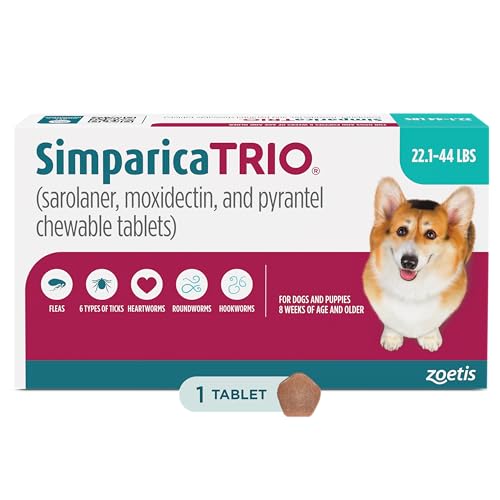
| Oral Chewable (e.g., Heartgard Plus, Simparica) | Monthly | Ivermectin, Pyrantel, Sarolaner | $60–$180 |
| Topical Liquid (e.g., Revolution, Advantage Multi) | Monthly | Selamectin, Moxidectin | $80–$200 |
| Injectable (ProHeart 6 / ProHeart 12) | Every 6 or 12 months | Moxidectin | $100–$250 |
When choosing a product, consider your dog's lifestyle, health, and your own routine. If you travel frequently or have a busy schedule, a long-lasting injectable might be ideal. If you prefer to combine prevention with flea and tick control, many monthly products offer broad-spectrum protection. Speak with your veterinarian to determine the best fit for your dog. For other preventive health measures, our dog vet visits guide provides excellent advice.
Treatment Options and Costs
If a dog tests positive for heartworm, treatment is available but is complex, costly, and can be hard on the dog. The standard treatment involves a series of injections of a drug called melarsomine (Immiticide) to kill the adult worms. This treatment is typically given in a hospital setting over several months and requires strict rest during the recovery period to prevent complications from dying worms.
The cost of treatment can range from $500 to $2,500 or more, depending on the severity of the infection and the specific protocol. This includes the cost of diagnostic tests, the drug itself, hospitalization, and follow-up care. In contrast, the cost of a full year of prevention is typically less than $200. The financial burden, combined with the health risks, makes a compelling case for consistent prevention. For a broader look at managing a dog's health financially, you might find our dog insurance guide helpful.
Important: Treatment for heartworm can be risky and is not always successful. The death of adult worms can cause severe complications, including blood clots and pulmonary emboli. This is why prevention is not just cheaper—it is safer and more effective.
Cost of Prevention vs. Treatment
The decision to prevent heartworm is a financial one as well as a health one. As noted, a year's supply of preventive medication costs roughly $60 to $200 annually. Over a dog's lifetime (10-15 years), this amounts to approximately $600 to $3,000—a significant but manageable cost.
Compare that to treating a confirmed heartworm infection. The total cost, including diagnostics, the treatment regimen, and follow-up appointments, can easily exceed $1,500 and often reaches $2,500 or more. Many dogs also require additional treatments for complications. The treatment process is stressful for both the dog and owner and involves weeks of restricted activity.
The message is clear: heartworm prevention is one of the most cost-effective and life-saving measures you can take for your dog. For more information on managing pet care costs, see our dog insurance article.
Frequently Asked Questions
Ready to Protect Your Dog?
Heartworm prevention is one of the most important things you can do for your dog's health. It's safe, affordable, and effective. The best time to start is today. Consult your veterinarian to choose the right product for your dog's needs and lifestyle. By taking this simple step, you can ensure your furry friend lives a long, healthy, and happy life.
For additional care tips, explore our dog nutrition guide and dog exercise needs article to support your dog's overall well-being.