Heartworm Protection for Dogs
Heartworm disease is deadly, but entirely preventable. Learn how to build a year-round defense, choose the right preventive, and understand why testing matters even when you never miss a dose.
Heartworm disease is one of the most devastating diagnoses a dog owner can hear. The parasite Dirofilaria immitis lives in the heart and pulmonary arteries, growing up to twelve inches long and causing progressive damage that can lead to heart failure and death. Yet the American Heartworm Society reports that over one million dogs in the United States are infected at any given time — a staggering number for a disease that is almost entirely preventable [citation:10].
If you are researching heartworm protection, you likely already know you need a preventive. What you may not know is which type is best for your dog, why annual testing remains essential even with perfect compliance, or what to do when life gets in the way and a dose is late. This guide answers those questions so you can make confident decisions about your dog's protection.
Why Heartworm Protection Is Non-Negotiable
Heartworm infection has been diagnosed in all 50 states and across the globe [citation:2]. Mosquitoes transmit the disease, which means any dog exposed to the outdoors — even briefly — is at risk. Indoor dogs are not exempt: mosquitoes find their way inside, and a single bite from an infected mosquito is all it takes.
The damage heartworms cause is cumulative and often silent. Early in the infection, most dogs show no signs at all. By the time symptoms appear — coughing, exercise intolerance, labored breathing — the disease has already damaged the heart and lungs. Treatment exists, but it is expensive, painful, and carries serious risks including thromboembolism and death [citation:6][citation:7].
The Numbers That Matter:
• Heartworm infection has been confirmed in every US state.
• Adult heartworms can live 5–7 years inside a dog, causing continuous damage.
• Treatment requires multiple deep muscle injections, strict cage rest, and carries risk of fatal complications.
• Prevention costs a fraction of treatment and requires a simple monthly chew, topical, or periodic injection.
Prevention is not just the cheaper option — it is the safer one. The macrocyclic lactone drugs used in all FDA-approved heartworm preventives have been on the market for decades and carry one of the lowest adverse event profiles in veterinary medicine [citation:7][citation:10]. When used as labeled, they are among the safest medications we give dogs.
How Heartworm Spreads
Understanding the life cycle explains why prevention must be given on a strict schedule and why testing is not optional.
- A mosquito bites an infected dog. The mosquito ingests microfilariae — microscopic immature heartworms circulating in the dog's blood.
- The parasite matures inside the mosquito. Over 10 to 14 days (depending on temperature), microfilariae develop into infective larvae.
- The mosquito bites your dog. Infective larvae enter the dog's tissue through the bite wound.
- Larvae migrate and grow. Over roughly six months, the larvae migrate through tissues and enter the bloodstream, eventually reaching the heart and pulmonary arteries where they mature into adult worms [citation:6].
- The cycle continues. Adult females produce new microfilariae, which circulate in the blood and can be picked up by the next mosquito.
The critical window for prevention is the first month or two after infection. Heartworm preventives work by killing the larval stages before they reach adulthood. Once larvae molt into adults — which can happen in as little as 51 days after infection [citation:11] — preventives are no longer effective. This is why the monthly schedule exists: it ensures that any larvae deposited since the last dose are eliminated before they can mature.
Types of Heartworm Preventives
All FDA-approved heartworm preventives use drugs from the macrocyclic lactone class. They differ in formulation, delivery method, and the additional parasites they cover. The best choice depends on your dog's lifestyle, your preferences, and your veterinarian's assessment of risk.
| Format | Examples | Frequency | Best For |
|---|---|---|---|
| Oral chewable | Ivermectin/pyrantel combinations, milbemycin | Monthly | Dogs who take pills easily; picky eaters (most are flavored) |
| Topical spot-on | Selamectin, moxidectin | Monthly | Dogs who spit out pills; households with multiple pets (some also protect cats) |
| Injectable | Moxidectin (6-month or 12-month) | Every 6 or 12 months | Owners who struggle with monthly compliance; dogs who tolerate vet visits well |
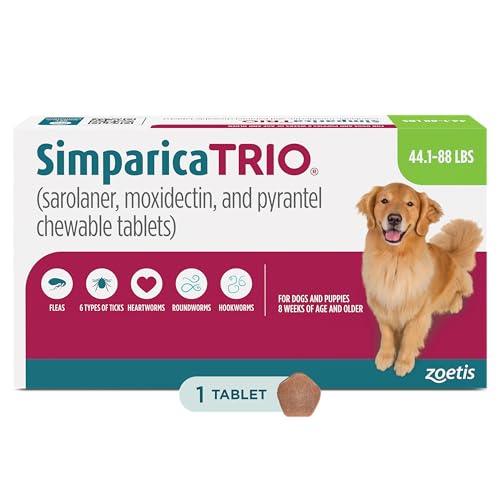
Many heartworm preventives also protect against intestinal parasites like roundworms and hookworms, and some combine with flea and tick control [citation:1][citation:3]. If your dog is already on a flea and tick product, ask your vet whether a combination preventive makes sense or whether separate products are better for your situation. Our guide to flea, tick, and heartworm prevention chewables breaks down the options.
A Note on Breed Sensitivity: You may have heard that Collies and related breeds are sensitive to ivermectin. This is true only at doses 16 times higher than the preventive level. At the recommended monthly preventive dose, ivermectin is safe for all breeds, including Collies and Shetland Sheepdogs [citation:5][citation:14]. If your dog is a herding breed, discuss it with your vet, but do not skip prevention out of fear.
The Testing Schedule That Protects Your Dog
Testing is the safety net that catches failures before they become crises. The American Heartworm Society recommends a clear testing schedule for every dog [citation:2][citation:11]:
- Puppies under 7 months: Can start prevention without a test, since infection takes at least 6 months to become detectable. Test 6 months after starting, again 6 months later, then annually.
- Adult dogs new to prevention: Test before starting. Then test 6 months later and 12 months later, then annually.
- Dogs on year-round prevention: Test annually. No preventive is 100% effective, and a missed or vomited dose can leave your dog unprotected without you realizing it.
- After a missed dose: Test immediately, then again 6 months later to rule out infection from the gap in protection.
- When changing products: Test before switching to confirm your dog is negative.
The test itself is a simple blood draw. Your vet will typically run an antigen test (detects proteins from adult female worms) and a microfilaria test (confirms the presence of circulating larvae). Both are recommended because each can catch infections the other might miss [citation:2].
Compliance: The Weakest Link
The most effective heartworm preventive in the world fails if it is not given on time. Research shows that the vast majority of reported preventive failures are linked to poor compliance — late doses, missed doses, or dogs spitting out or vomiting medication [citation:7]. In one 2024 report, 68% of dogs who visited a veterinarian left without purchasing heartworm prevention [citation:10].
Compliance is not about willpower. It is about building systems that make the right choice the easy choice:
- Anchor the dose to a routine. Give it on the same day every month — the first of the month, payday, or another memorable date. Set a phone reminder that repeats.
- Pair it with something your dog loves. If you use a chewable, give it right before a meal or wrapped in a tiny piece of cheese (check with your vet first).
- Consider the injectable option. If monthly dosing is genuinely difficult — travel, irregular schedules, memory issues — the 6-month or 12-month injection removes the daily decision entirely. Our article on heartworm prevention options explains how to discuss this with your vet.
- Track it visually. A wall calendar with a sticker for each dose creates a record you can check at a glance.
- Refill before you run out. Auto-shipping from online pharmacies or your vet's clinic eliminates the last-minute scramble.
Mosquito Control as a Supporting Strategy
Preventive medication is the foundation, but reducing mosquito exposure adds another layer of protection. The American Heartworm Society notes that using an EPA-registered mosquito repellent or ectoparasiticide alongside heartworm prevention can increase overall efficacy, particularly in areas with resistant heartworm strains [citation:2][citation:7].
- Eliminate standing water. Mosquitoes breed in stagnant water. Dump and refresh water bowls, bird baths, and plant saucers every two days. Check gutters and drains for clogs.
- Keep dogs indoors during peak mosquito hours. Dawn, dusk, and nighttime are when mosquitoes feed most actively [citation:9].
- Use vet-approved mosquito repellents. Never use human insect repellent on dogs — DEET is toxic. Ask your vet about EPA-registered products formulated for dogs.
- Screen windows and doors. This protects both your dog and your family from indoor mosquito bites.
What to Do If You Miss a Dose
It happens. The question is what to do next. The answer depends on how late the dose is:
- A few days late: Give the dose immediately and resume your normal monthly schedule. No need to restart the count — just get back on track.
- More than 30 days late: Give the dose immediately. Then test your dog 6 months later to confirm no infection developed during the gap [citation:11].
- Several months missed: Consult your vet before restarting. They may recommend testing first to rule out infection, since giving a preventive to an infected dog can cause a reaction if microfilariae are present.
- Dog vomited after dosing: If vomiting occurs within a few hours, the dose may not have been absorbed. Redose unless your vet advises otherwise. If vomiting is persistent, call your vet.
For dogs with a history of missed doses or uncertain prevention status, your vet may recommend a more thorough evaluation. Our guide to heartworm treatment for dogs explains what happens if an infection is confirmed, but the goal is always to catch it before that becomes necessary.
Frequently Asked Questions
The Bottom Line on Heartworm Protection
Heartworm protection is not complicated, but it requires consistency. Choose a preventive format that fits your routine, give it on schedule every month (or let your vet handle the injection), and test annually even when you never miss a dose. Add mosquito reduction where practical, and know the signs of infection so you can act quickly if something seems off. Your dog depends on you for this — and the protection you provide today is the reason they will be healthy tomorrow.