Heartworm Treatment for Dogs: What Every Owner Needs to Know
Facing a heartworm diagnosis can be frightening, but with the right treatment plan and dedicated care, most dogs recover fully. This guide explains the treatment process, recovery timeline, and how to protect your dog from reinfection.
Heartworm disease is one of the most serious parasitic infections a dog can face. Transmitted by mosquito bites, heartworms grow inside the dog's heart and lungs, causing progressive damage that can be fatal if left untreated. The good news is that heartworm disease is both preventable and treatable, and most dogs who receive proper care recover fully and live normal, happy lives.
If your dog has been diagnosed with heartworm, you are likely feeling overwhelmed. You may be wondering what the treatment involves, how long it will take, and what you can do to help your dog through the process. This guide walks you through every stage of heartworm treatment for dogs, from diagnosis to recovery, so you can make informed decisions and provide the best possible care for your companion.
Understanding the treatment process also helps you appreciate why flea and tick prevention and heartworm preventives are so important. While heartworm is transmitted by mosquitoes rather than fleas, both types of parasites pose serious health risks, and year-round prevention is the cornerstone of responsible dog care.
What Is Heartworm Disease?
Heartworm disease is caused by a parasitic worm called Dirofilaria immitis. The disease is transmitted when an infected mosquito bites a dog, depositing microscopic heartworm larvae into the bloodstream. Over several months, these larvae migrate through the body and eventually mature into adult worms that live in the heart, lungs, and associated blood vessels.
Adult heartworms can grow up to 12 inches long and live for five to seven years inside a dog. A single dog can harbor dozens — sometimes hundreds — of these worms. As they accumulate, they cause inflammation and damage to the heart, lungs, and arteries, leading to heart failure, respiratory disease, and eventually death if untreated.
Important: Heartworm disease cannot be transmitted directly from dog to dog. A mosquito must bite an infected animal first, then bite a healthy dog. Humans cannot catch heartworm from dogs.
Recognizing the Symptoms
In the early stages, heartworm disease often produces no visible symptoms. As the disease progresses, you may notice:
- A persistent, dry cough
- Reluctance to exercise or fatigue after mild activity
- Weight loss despite a normal appetite
- Difficulty breathing, especially during exertion
- Swelling in the abdomen or legs
- Lethargy and general weakness
If you notice any of these signs, especially in a dog who has not been on consistent heartworm prevention, contact your veterinarian promptly. Early diagnosis makes treatment safer and more effective. Regular dog vitamins and a balanced diet support general health, but they cannot prevent or treat heartworm — only prescription preventives and veterinary care can do that.
How Heartworm Is Diagnosed
Before treatment can begin, your veterinarian must confirm the diagnosis and assess the severity of the infection. This typically involves several tests:
- Antigen test: A blood test that detects proteins produced by adult female heartworms. This is the primary screening test and can detect infections with as few as one or two adult worms.
- Microfilaria test: A blood smear examined under a microscope to look for circulating baby worms (microfilariae). Not all infected dogs have microfilariae in their blood, so a negative result does not rule out infection.
- Radiographs (X-rays): Chest X-rays help assess the severity of lung and heart damage, which guides treatment decisions and helps predict prognosis.
- Echocardiogram: An ultrasound of the heart may be performed in severe cases to visualize adult worms and assess heart function.
- Blood work: A complete blood count and chemistry panel assess overall health and identify any concurrent conditions that could complicate treatment.
Your veterinarian will use the results of these tests to classify the infection as mild, moderate, or severe. This classification determines the treatment approach and helps set realistic expectations for recovery.
The Heartworm Treatment Process
Heartworm treatment is a multi-step process that typically spans several months. The goal is to kill all adult worms and microfilariae while minimizing the risk of complications from dying worms.
Step 1: Stabilization
Before heartworm treatment begins, your veterinarian will address any immediate health concerns. This may include:
- Treating secondary infections or other illnesses
- Starting a course of antibiotics (doxycycline) to weaken the heartworms and reduce the risk of complications
- Restricting activity to reduce strain on the heart and lungs
- Managing any heart failure or respiratory symptoms
Step 2: Adulticide Therapy
The core of heartworm treatment is a series of injections of melarsomine dihydrochloride, the only drug approved to kill adult heartworms. The standard protocol involves:
- One injection followed by a rest period of at least one month
- Two additional injections given 24 hours apart
- Strict confinement throughout the treatment period and for several weeks afterward
Some veterinarians use an alternative protocol involving a single injection followed by two injections later, depending on the dog's condition and the severity of the infection. Your veterinarian will determine the best schedule for your dog.
Why strict rest matters: When adult worms die, they break apart and are carried through the bloodstream to the lungs. If your dog is too active, the fragments can cause blockages in the pulmonary arteries, leading to serious — sometimes fatal — complications. Keeping your dog calm during treatment is one of the most important things you can do.
Step 3: Microfilaricide Treatment
After the adult worms have been killed, your veterinarian may prescribe a medication to eliminate the circulating microfilariae. This step is usually performed after the adulticide therapy is complete, as killing large numbers of microfilariae too quickly can cause a severe reaction.
Step 4: Follow-Up Testing
Approximately six months after treatment, your veterinarian will perform another antigen test to confirm that all adult worms have been eliminated. If the test is positive, additional treatment may be necessary.
Recovery and Restriction
The recovery period after heartworm treatment is just as important as the treatment itself. Dead worms are more dangerous than living ones because they can cause blockages and inflammation in the lungs. Strict confinement is essential to minimize the risk of complications.
Activity Restrictions
- Keep your dog strictly confined indoors or in a small crate for at least 4-6 weeks after the final injection
- Limit walks to short bathroom breaks only — no running, jumping, or vigorous play
- Avoid stairs when possible; carry your dog if necessary
- Use a harness instead of a collar to reduce strain on the neck
- Keep your dog calm and quiet, even if they seem to feel better
Monitoring Your Dog
- Watch for coughing, difficulty breathing, lethargy, or loss of appetite
- Check for fever or swelling at the injection site
- Contact your veterinarian immediately if you notice any concerning signs
- Keep all follow-up appointments for testing and assessment
The strict rest period is often the hardest part of treatment for both dogs and owners. However, it is absolutely essential for a successful outcome. Many complications occur when owners allow their dogs to be too active too soon after treatment. If your dog is struggling with confinement, consider using puzzle toys and interactive toys to provide mental stimulation without physical exertion.
Potential Complications
While heartworm treatment is generally safe, complications can occur. Being aware of the risks helps you respond quickly if problems arise.
- Pulmonary thromboembolism: Dead worm fragments can block blood vessels in the lungs, causing respiratory distress. This is the most serious complication and requires immediate veterinary attention.
- Injection site reactions: Some dogs experience pain, swelling, or abscesses at the injection site. Cold compresses and pain relief can help.
- Anaphylaxis: Rare but serious allergic reaction to the medication. Signs include facial swelling, difficulty breathing, and collapse. Seek emergency care immediately if these occur.
- Fever and lethargy: Mild fever and lethargy are common for a day or two after injections and are usually not cause for concern.
When to call your vet immediately: Difficulty breathing, collapse, severe coughing, or sudden worsening of symptoms. These could indicate a pulmonary complication that requires urgent care.
Prevention After Treatment
Once your dog has completed treatment and tested negative for heartworm, prevention becomes the priority. Dogs who have had heartworm disease can be reinfected, so year-round prevention is essential.
Preventive Options
Monthly Oral Medications
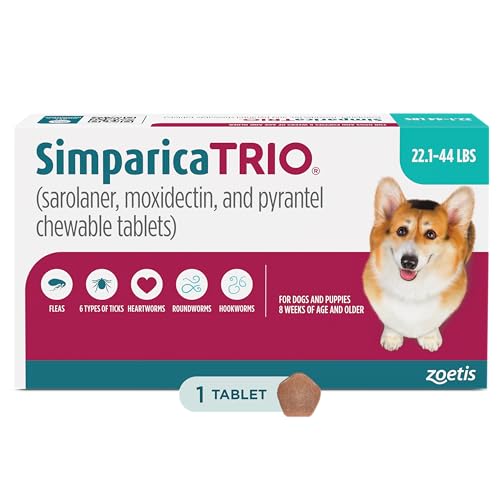
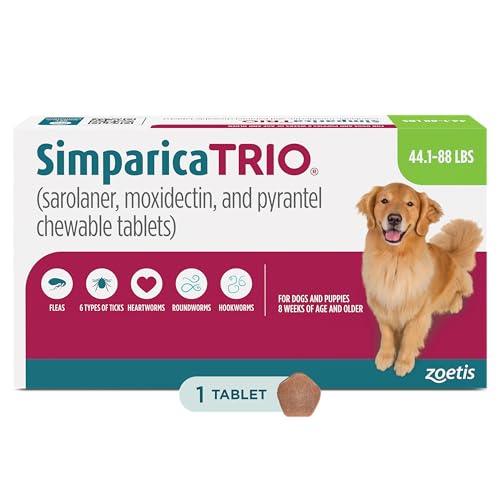
Chewable tablets that kill heartworm larvae before they mature. Easy to administer and highly effective when given consistently on schedule.
Topical Spot-On Treatments
Applied to the skin between the shoulder blades. Combined with flea and tick protection in many products. Good option for dogs who resist pills.
Injectable Preventives
A single injection given by a veterinarian every 6 or 12 months. Eliminates the need for monthly dosing but requires a veterinary visit.
Combination Products
Many preventives also protect against fleas, ticks, and intestinal parasites. Choosing an all-in-one product simplifies parasite control and ensures comprehensive protection.
In addition to preventives, annual testing is recommended even for dogs on consistent prevention. No preventive is 100% effective, and regular testing ensures that any infection is caught early when treatment is most successful. Keeping your dog healthy with high-quality dry dog food, regular exercise, and routine veterinary care supports a strong immune system and overall well-being.
Understanding Treatment Tiers
The total investment for heartworm treatment varies based on the severity of the infection, the region, and the specific protocols used. Rather than focusing on exact figures, it helps to understand the relative tiers of care:
| Aspect | Entry-Level Care | Mid-Range Care | Premium Care |
|---|---|---|---|
| Diagnosis | Basic antigen test and physical exam | Antigen test, blood work, and chest X-rays | Full diagnostic panel including echocardiogram |
| Treatment Protocol | Standard three-injection protocol | Standard protocol with extended monitoring | Customized protocol with intensive care support |
| Monitoring | Basic follow-up testing | Regular check-ins and blood work | Advanced imaging and specialist consultations |
| Recovery Support | Standard confinement guidelines | Pain management and anti-inflammatory support | Comprehensive rehabilitation and nutritional support |
Whatever the tier, the most important factor in a successful outcome is early diagnosis and strict adherence to your veterinarian's treatment and recovery plan. Investing in a well-stocked dog first aid kit and staying informed about preventive care can help you respond quickly to health issues and reduce the risk of serious complications.
Frequently Asked Questions
Final Thoughts
Heartworm disease is serious, but it is also manageable and preventable. If your dog has been diagnosed, work closely with your veterinarian to follow the treatment protocol exactly as prescribed. The strict rest period may feel difficult, but it is the single most important factor in a successful recovery. Once your dog is healthy again, commit to year-round prevention and annual testing to keep them protected. With proper care, most dogs go on to live long, active, and joyful lives.