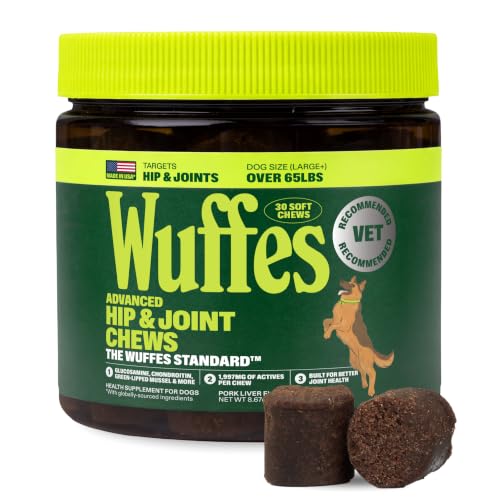
Hip and Joint Supplements for German Shepherds
Your complete guide to protecting your German Shepherd's joints — from understanding hip dysplasia risk to choosing the right glucosamine, chondroitin, and omega-3 supplements for lifelong mobility.
German Shepherds are one of the most beloved dog breeds in the world — intelligent, loyal, and versatile. But they also carry a genetic predisposition to joint problems, particularly hip dysplasia and degenerative joint disease. If you own a German Shepherd, understanding how to protect their joints is not optional; it's essential for their quality of life.
This guide will walk you through everything you need to know about hip and joint supplements for German Shepherds — which ingredients actually work, how to choose the right product, when to start, and what lifestyle factors matter just as much as any pill. Whether your dog is a young puppy, an active working dog, or a senior slowing down, the information here will help you make informed decisions.
Why German Shepherds Need Joint Support
German Shepherds are not just prone to joint issues — they are one of the breeds most affected by hip and elbow dysplasia. According to the Orthopedic Foundation for Animals (OFA), German Shepherds consistently rank among the breeds with the highest rates of hip dysplasia. This is not a reflection of poor breeding alone; it's a combination of genetics, size, growth rate, and lifestyle.
Genetic Predisposition
Hip dysplasia is a polygenic trait, meaning multiple genes contribute to its development. A German Shepherd can inherit a higher risk even if both parents have "excellent" hip ratings. This is why proactive joint support matters — you cannot rely on pedigree alone to guarantee healthy joints.
Size and Growth Rate
German Shepherds are large, fast-growing dogs. Rapid growth during puppyhood puts stress on developing joints, and inappropriate nutrition (too much calcium, too many calories) can exacerbate structural problems. Large-breed puppies need controlled growth, not maximum growth.
Activity Level and Work
Many German Shepherds are working dogs — police K9s, military dogs, service dogs, and active companions. The physical demands of jumping, running, and repetitive tasks increase wear on joints over time. Even companion German Shepherds who love fetch and hiking are at risk.
Did You Know?
Hip dysplasia affects up to 19% of German Shepherds in some studies, compared to an average of around 3-4% across all breeds. Elbow dysplasia is also significantly more common in German Shepherds than in most other breeds.
This doesn't mean your German Shepherd will definitely develop joint problems — but it does mean you should be proactive rather than reactive.
Key Ingredients That Actually Work
Not all joint supplements are created equal. Many products on the market contain ingredients in doses too low to have any effect, or use forms that are poorly absorbed. Here are the ingredients with the strongest scientific evidence for supporting joint health in dogs.
Glucosamine
The most researched joint supplement ingredient. Glucosamine is a natural compound found in cartilage and helps maintain the structural integrity of joints. It supports cartilage repair and reduces cartilage breakdown. The most effective form for dogs is glucosamine HCl or sulfate, typically dosed at 20-30 mg per pound of body weight daily.
EssentialChondroitin Sulfate
Works synergistically with glucosamine. Chondroitin helps cartilage retain water, making it more resilient to stress, and inhibits enzymes that break down cartilage. Most effective when combined with glucosamine in a 1:1 or 2:1 ratio. Look for products that specify the source (bovine, porcine, or avian).
EssentialMSM (Methylsulfonylmethane)
A sulfur-containing compound with anti-inflammatory properties. MSM helps reduce joint pain and stiffness and may improve mobility. It also supports connective tissue health. Dosing for dogs is typically 50-100 mg per pound daily. MSM is often included alongside glucosamine and chondroitin for a complete joint support formula.
Highly RecommendedOmega-3 Fatty Acids (EPA/DHA)
Fish oil is one of the most effective natural anti-inflammatories for dogs. EPA and DHA reduce joint inflammation and support overall health. Look for fish oil with high EPA/DHA concentrations, not just "fish oil" on the label. Combined with glucosamine, omega-3s provide both structural support and inflammation control.
EssentialGreen-Lipped Mussel
A New Zealand shellfish with natural anti-inflammatory properties. Contains glucosamine, chondroitin, and omega-3s in a bioavailable form. Studies show it can reduce joint pain and improve mobility in dogs. Often included in premium joint supplements. Note: avoid if your dog has shellfish allergies.
PremiumHyaluronic Acid
A component of joint fluid that provides lubrication and shock absorption. Oral hyaluronic acid supplements can support joint lubrication and reduce stiffness. Often combined with glucosamine and chondroitin for comprehensive joint support. Particularly beneficial for older dogs with reduced joint fluid.
PremiumTurmeric (Curcumin)
A natural anti-inflammatory with growing evidence for joint pain relief in dogs. Curcumin, the active compound, reduces inflammation pathways. Bioavailability is poor unless combined with black pepper extract (piperine) or formulated as a phytosome. Best used as part of a comprehensive joint formula.
Mid-RangeBoswellia Serrata
An herbal extract with anti-inflammatory properties. Boswellia inhibits inflammatory enzymes and may reduce joint pain and improve mobility. Often combined with turmeric and other anti-inflammatory ingredients. Evidence in dogs is promising but less extensive than for glucosamine and omega-3s.
Mid-RangeTypes of Joint Supplements for German Shepherds
Joint supplements come in several forms, each with advantages and disadvantages. The best choice depends on your dog's preferences, your lifestyle, and how many supplements you're already giving.
Chews and Soft Chews
The most popular form for dogs. Most German Shepherds accept them readily, especially if they're flavored (chicken, liver, peanut butter). Convenient and easy to dose. Downsides: some chews contain unnecessary fillers, sugars, or artificial ingredients. Always check the ingredient list and guaranteed analysis.
Tablets and Capsules
Often more cost-effective and allow precise dosing. Can be hidden in food or given as a pill. Some dogs will eat them willingly if they smell like meat; others will spit them out. Capsules can be opened and sprinkled on food. Tablets may need to be crushed or wrapped in something palatable.
Powders
Easy to mix into food and ideal for picky eaters who refuse pills. Powdered supplements allow flexible dosing and are often more economical per dose. Downsides: some dogs notice the powder in their food and refuse to eat. Start with a small amount and mix thoroughly.
Liquid Supplements
Fast absorption and easy to administer with a syringe or mixed into food. Good for dogs who can't or won't take pills. Often more expensive per dose. Some liquids need refrigeration and have shorter shelf life. Measure carefully — dosing errors are easier with liquids.
Functional Treats
Treats formulated with joint-support ingredients. Convenient but often contain lower doses of active ingredients than dedicated supplements. Best used as a supplement to a core joint supplement, not as a replacement. Watch calorie content — treats add up quickly.
Prescription Diets
Some veterinary diets are formulated with joint support nutrients. These are complete diets, not supplements, so they replace your dog's regular food. A good option if your dog needs a comprehensive approach and you prefer not to add separate supplements. Requires veterinary guidance.
Joint Supplement Comparison
Use this table to understand the key differences between supplement types and what to prioritize when choosing a product for your German Shepherd.
| Feature | Entry-Level | Mid-Range | Premium |
|---|---|---|---|
| Glucosamine + Chondroitin | Basic levels, often below effective dose | Therapeutic levels, verified potency | High-potency, third-party tested |
| Additional Ingredients | Minimal — usually just glucosamine | MSM, omega-3s, basic anti-inflammatories | Green-lipped mussel, hyaluronic acid, turmeric, boswellia |
| Form Options | Chews or tablets only | Chews, tablets, powders | Chews, tablets, powders, liquids |
| Quality Testing | Rarely disclosed | Some testing, GMP certified | Third-party tested, NASC certified |
| Palatability | Variable — some dogs refuse | Generally good with flavoring | Highly palatable, designed for picky dogs |
| Best For | Budget-conscious owners, mild cases | Most German Shepherds, moderate joint needs | Senior dogs, severe dysplasia, working dogs |
Pro Tip: Look for the NASC (National Animal Supplement Council) seal on the label. This indicates the product has been through quality testing and the manufacturer follows good manufacturing practices. It's not a guarantee of effectiveness, but it does indicate quality control.
Dosage & Administration
Dosage depends on your dog's weight, the specific supplement, and whether you're using it for prevention or treatment. Always start with the lowest recommended dose and adjust based on your dog's response and your vet's guidance.
General Dosing Guidelines
- Glucosamine: 20-30 mg per pound of body weight daily. A 75-lb German Shepherd needs 1,500-2,250 mg daily.
- Chondroitin: 10-15 mg per pound daily. Often combined with glucosamine at a 2:1 or 1:1 ratio.
- MSM: 50-100 mg per pound daily. Start at the lower end and increase if needed.
- Omega-3 (EPA+DHA): 20-40 mg per pound daily for joint support. Higher doses may be needed for inflammation.
- Green-lipped mussel: Follow the product label — dosing varies by concentration.
- Hyaluronic acid: Typically 1-5 mg per 10 lbs of body weight daily.
How to Give Supplements
- Introduce gradually: Start with half the recommended dose for the first 5-7 days to allow your dog's digestive system to adjust. This reduces the risk of loose stools or upset stomach.
- Give with food: Most joint supplements are better absorbed when given with a meal containing some fat. This also reduces the chance of gastrointestinal upset.
- Be consistent: Joint supplements are not painkillers — they work gradually over weeks to months. Consistent daily dosing is essential. Set a reminder or use a pill organizer.
- Allow 4-8 weeks: It takes time for glucosamine and chondroitin to build up in the body and for cartilage support to become apparent. Don't expect immediate results.
- Monitor and adjust: Keep a simple log of your dog's mobility, activity level, and any changes. If you don't see improvement after 8 weeks, talk to your vet about adjusting the dose or trying a different formula.
Important: If your German Shepherd is already on medications (especially NSAIDs like carprofen or meloxicam), always consult your vet before adding supplements. Some supplements can interact with medications or affect blood work results. Never stop or change prescribed medications without veterinary guidance.
Lifestyle Factors for Joint Health
Supplements are only one piece of the puzzle. The most effective joint care plan for a German Shepherd includes weight management, appropriate exercise, and environmental considerations. In fact, keeping your German Shepherd at a healthy weight is arguably more important than any supplement.
Weight Management
Even a few extra pounds significantly increases stress on your dog's joints. Studies show that lean dogs live longer and have fewer joint problems than overweight dogs. You should be able to feel your German Shepherd's ribs easily and see a defined waist behind the rib cage. If your dog is overweight, reducing body weight by even 10% can dramatically improve mobility and comfort.
Use a weight management plan that includes portion control, limited treats, and regular exercise. Ask your vet to assess your dog's Body Condition Score (BCS) at every visit.
Exercise That Supports Joints
- Swimming: The best exercise for dogs with joint issues. Water supports body weight, reduces impact, and builds muscle without stress on joints. Many German Shepherds love water once introduced properly.
- Leash walks on soft surfaces: Grass, dirt, or sand are gentler on joints than concrete or asphalt. Start with short walks and gradually increase duration.
- Controlled exercise: Avoid high-impact activities like intense fetch on hard ground, jumping from heights, or repetitive agility work if your dog has joint issues. Replace with sniff walks, trick training, and low-impact games.
- Avoid over-exercise: A tired puppy is not necessarily a good thing. Large-breed puppies need controlled exercise — free play is fine, but forced running or long hikes can damage growing joints.
Environmental Support
- Non-slip flooring: Hardwood, tile, and laminate floors are slippery and dangerous for dogs with weak joints. Use runners, rugs, or non-slip mats in high-traffic areas.
- Orthopedic bed: A supportive, thick bed reduces pressure on joints during rest. Look for memory foam or orthopedic foam beds that contour to the body.
- Ramps and steps: If your German Shepherd sleeps on your bed or gets in the car, a ramp or set of pet steps reduces jumping stress on joints.
- Elevated food and water bowls: Reduce neck and joint strain during eating and drinking. Especially helpful for senior dogs with arthritis.
Warning Signs of Joint Problems in German Shepherds
Early detection is crucial. The sooner you address joint issues, the more effective treatment will be. Watch for these signs:
- Reluctance to move or play: A German Shepherd who used to greet you at the door now stays on their bed. A dog who loved fetch now ignores the ball. These are classic signs of joint pain.
- Stiffness after rest: Difficulty getting up from a lying position, especially after sleeping or long periods of inactivity. You may notice your dog "warming up" after a few minutes of moving around.
- Limping or favoring a leg: Intermittent or constant limping, especially after exercise. Some dogs alternate which leg they favor, making it harder to notice.
- Bunny-hopping gait: When running, both hind legs move together rather than alternating. This is a classic sign of hip dysplasia.
- Decreased activity tolerance: Your dog tires more quickly on walks or seems reluctant to go as far as usual.
- Behavior changes: Irritability, reluctance to be touched on the hips or back, or changes in sleeping patterns. Pain can make dogs withdrawn or grumpy.
- Muscle loss: Thigh muscles may appear thinner due to reduced use. This is a sign of chronic joint discomfort.
- Licking or chewing at joints: Some dogs lick or chew at painful joints, causing hair loss and skin irritation.
When to See a Vet: If you notice any of these signs, schedule a veterinary exam. X-rays can confirm hip dysplasia or arthritis, and your vet can recommend a comprehensive treatment plan that may include supplements, medication, physical therapy, or surgery. Don't wait — early intervention makes a significant difference.
Frequently Asked Questions
Bottom Line
Hip and joint supplements are a valuable tool for protecting your German Shepherd's mobility and quality of life — but they work best as part of a comprehensive approach. Combine quality supplements (glucosamine, chondroitin, MSM, and omega-3s) with weight management, joint-friendly exercise, and regular veterinary care. Start early, be consistent, and monitor your dog's response. Your German Shepherd depends on you for their comfort and mobility — and with the right care, you can help them stay active and pain-free for years to come.