How to Get a Puppy to Stop Crying in Kennel: A Complete Guide
Discover expert-approved strategies to calm your puppy's anxiety, build positive crate associations, and help them sleep peacefully through the night.
Bringing home a new puppy is an exciting time, but it can quickly become stressful when your furry friend starts crying in their kennel. The sound of a distressed puppy is enough to break any new dog owner's heart. However, understanding the reasons behind this behavior and learning effective, humane techniques can transform the kennel from a source of anxiety into a safe, secure den your puppy loves.
This comprehensive guide provides a step-by-step approach to how to get a puppy to stop crying in kennel. We'll cover everything from proper crate setup and scheduling to behavioral strategies and recommended products that ease the transition. By the end, you'll have the knowledge and confidence to help your puppy feel safe and comfortable, turning a potentially negative experience into a positive one for both of you.
Why Do Puppies Cry in the Kennel?
Before you can solve the problem, it's helpful to understand the root causes. Puppies cry in their kennels for several reasons, often a combination of factors:
Common Reasons
- Separation Anxiety: Puppies are pack animals, and being alone is terrifying for them. They've just been separated from their mother and littermates, and the kennel represents isolation.
- Fear of the Unknown: The kennel is a new, enclosed space. If not introduced properly, it can feel like a cage rather than a sanctuary.
- Need to Eliminate: Puppies have tiny bladders. Sometimes, crying is simply their way of telling you they need to go potty.
- Loneliness or Boredom: They may be seeking comfort or stimulation that they would normally get from their littermates.
The "Cry It Out" Debate
Some old-school training methods advise letting a puppy "cry it out." However, this approach can damage trust and create anxiety. A more effective and humane method is to address the needs causing the crying. A few minutes of whining is normal, but extended crying indicates a problem that needs your attention. Use your judgment: if your puppy has recently been fed and given a potty break, you can wait a few minutes to see if they settle. A cry that escalates into frantic, panicked barking requires your intervention.
Preparing the Kennel for Success
The physical environment of the kennel plays a huge role in your puppy's comfort. The right setup can make all the difference.
- Choose the Right Size Kennel: The crate should be large enough for your puppy to stand up, turn around, and lie down comfortably. If it's too big, they might use one end as a bathroom. Many crates come with dividers so you can adjust the space as they grow.
- Make it Cozy: Add a soft, washable bed or blanket. A dog bed that's easy to clean is a smart investment. Place an old t-shirt that smells like you inside to comfort them.
- Add Safe Toys: Provide durable, safe toys to keep them occupied. A chew toy can help soothe teething gums and relieve stress.
- Location Matters: Place the kennel in a quiet, draft-free part of your home where your puppy can still see and smell the family. The living room or bedroom is a good choice.
Key Tip: A quality dog crate is an investment in your puppy's safety and well-being. Look for one with sturdy construction and a secure latch.
Introducing Your Puppy to the Crate
Never force your puppy into the crate. The introduction should be a positive, gradual experience.
- Keep the Door Open: Initially, leave the crate door open and let your puppy explore it on their own terms.
- Feed Meals in the Crate: Place their food and water bowls near the entrance, then gradually move them inside. This creates a positive association.
- Use High-Value Treats: Toss treats like kibble or small bits of chicken into the crate to encourage them to go in. Praise them enthusiastically when they do. This is a great time to use high-value dog treats to build a strong positive connection.
- Practice Short Sessions: Once they're comfortable, close the door for a few seconds while they're eating, then open it. Gradually increase the duration.
Creating a Puppy Crate Schedule
Puppies thrive on routine. A predictable schedule helps them feel secure and reduces anxiety.
Age-Based Guidelines
- 8-10 weeks: Can hold their bladder for about 1-2 hours. This means you'll need to take them out frequently, including during the night.
- 10-12 weeks: Can hold it for about 2-3 hours. Start extending the time between potty breaks.
- 3-4 months: Can hold for 3-4 hours. Many puppies can sleep through the night at this age.
- 4-5 months: Can hold for 4-5 hours, and most can handle a full 8-hour night.
Sample Daily Schedule
- 7:00 AM: Wake up, immediate potty break.
- 7:15 AM: Breakfast in the crate (door open).
- 8:00 AM: Playtime and a second potty break.
- 9:00 AM: Crate time with a safe toy. This is a good time for your puppy to learn to settle.
- 11:00 AM: Potty break, short training session.
- 12:00 PM: Lunch in the crate (door closed for a short while).
- ...and so on, with potty breaks every 1-3 hours, depending on age.
Pro Tip: Consistency is key. Following a solid routine to train a puppy not to cry in the crate will help them understand when it's time to settle and when it's time for activity and potty breaks.
Surviving the First Night
The first few nights are often the most challenging. Here's how to navigate them:
- Place the Crate Near Your Bed: This lets your puppy know you're nearby and can help you hear when they need to go out.
- Set an Alarm: Don't wait for your puppy to cry. Set an alarm to take them for a potty break every 2-3 hours. This prevents accidents and builds a successful routine.
- Keep It Boring: When you take your puppy out at night, keep lights dim, avoid talking much, and immediately return to the crate after they eliminate. This teaches them that nighttime is for sleeping, not playing.
- Comfort Without Attention: If your puppy is crying but doesn't need to go out, a few gentle, reassuring words through the crate bars can help them settle without encouraging the behavior.
Behavioral Techniques to Stop Crying
Beyond the basics, these behavioral strategies can help address more persistent crying.
- Desensitization: Practice leaving the room for a few seconds and returning. Gradually increase the time you're gone. This teaches your puppy that you always come back.
- Ignore Attention-Seeking Cries: If your puppy is crying for attention, wait for a moment of silence (even a second) before opening the door or giving attention. Reward the quiet behavior.
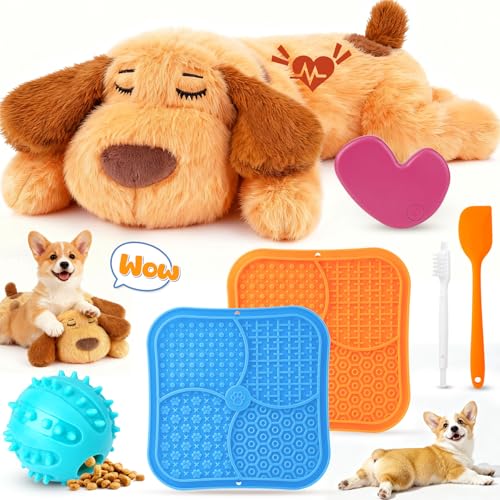
- Provide Calming Aids: Products like a dog anxiety wrap or a dog pheromone diffuser can emit calming signals that help soothe your puppy's nerves.
- Consider Professional Help: If the crying is severe and you're concerned about your puppy's well-being, it's wise to consult a professional. A veterinarian or certified dog behaviorist can provide tailored advice. It's a good idea to know when to see a behaviorist.
Tools and Products That Help
Several products can significantly ease the crate training process and help stop your puppy from crying. Investing in the right supplies can make a world of difference.
Recommended Items
- High-Quality Crate: A durable, well-ventilated crate is a must. Look for one with a washable tray.
- Comfortable Bedding: A soft, machine-washable bed provides comfort and warmth.
- Interactive Toys: Puzzle toys and treat-dispensing toys can keep your puppy busy and distracted.
- Calming Supplements: Consult your vet about safe calming supplements or treats to manage anxiety.
- White Noise Machine: Drowns out household sounds that may disturb your puppy.
When to Use Them
Using these products is most effective as part of a comprehensive training plan. For instance, a well-stuffed interactive dog toy can be a lifesaver during the first few nights. They provide mental stimulation and a positive distraction, making the puppy associate the crate with good things. Similarly, a dog calming product can be used in conjunction with behavioral training to help your pup relax more easily.
Remember: Products are tools, not solutions. The most important elements are your patience, consistency, and love.
Frequently Asked Questions
Patience is Key
Crate training a puppy is a process that requires time, consistency, and empathy. There will be setbacks, and that's okay. Celebrate the small victories. A good night's sleep is around the corner. Remember, every puppy is different, and what works for one may not work for another. The most effective approach combines preparation, a consistent schedule, and positive reinforcement. By following the advice in this guide, you're not just teaching your puppy to stop crying—you're building a foundation of trust and security that will last a lifetime. For more tips on getting your puppy to settle in their crate, read our guide on how to get puppy to sleep in crate.