How to Get a Puppy to Sleep in His Crate
Your complete guide to peaceful nights: proven crate training techniques to help your puppy sleep through the night, reduce anxiety, and build a lifelong sense of security in their crate.
Bringing a new puppy home is an exciting time, but those first few nights can be challenging. Your puppy has just been separated from their littermates and everything they know. The crate is not a punishment — it's a safe, den-like space where your puppy can feel secure. But teaching them to settle and sleep in their crate requires patience, consistency, and a step-by-step approach.
This guide will walk you through the proven method to get your puppy to sleep in his crate peacefully through the night. We'll cover everything from the ideal crate setup to nighttime potty breaks, from handling crying to building positive associations. By the end, you'll have a clear action plan to help your puppy — and you — get the rest you both deserve.
Why Crate Training is Essential
Crate training is one of the most important things you can do for your puppy. It's not just about a good night's sleep — it's about safety, security, and building a foundation for lifelong good behavior. A crate is a valuable tool for helping your puppy feel comfortable in their own space, preventing destructive behavior, and making travel and vet visits much less stressful.
Key Benefits of Crate Training:
- Provides a secure, den-like environment that taps into your puppy's natural instincts
- Aids in housebreaking by encouraging your puppy to hold their bladder
- Prevents destructive chewing and unsafe exploration while you're sleeping
- Gives your puppy a quiet space to retreat to when they need rest
- Makes travel and vet visits safer and less stressful
Remember, the crate should always be a positive place. Proper crate training turns the crate into your puppy's favorite bedroom, not a jail cell. When done right, your puppy will eventually choose to sleep in their crate even when the door is open.
Preparing the Crate for Your Puppy
The way you set up the crate directly impacts how quickly your puppy will settle in. Think of it as creating a five-star bedroom for your new family member.
Choosing the Right Crate
The crate should be large enough for your puppy to stand up, turn around, and lie down comfortably — but not so large that they can use one corner as a bathroom. Most crates come with a divider, which is perfect for growing puppies. As your puppy grows, you can expand the space. Our guide to choosing dog crates can help you select the right size and style for your puppy's breed and expected adult size.
Making the Crate Comfortable
- Comfortable bedding: A soft, washable bed or blanket provides comfort. For teething puppies, consider durable bedding that they can't easily shred.
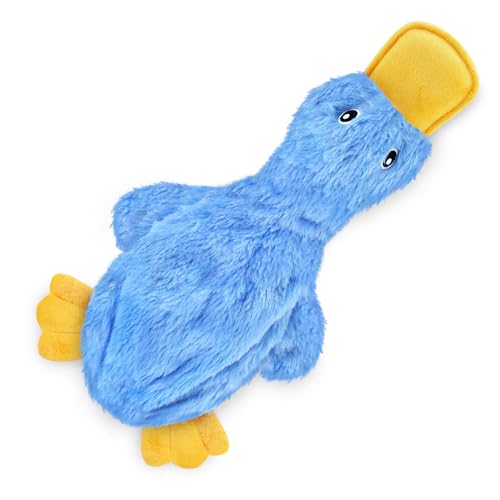
- Puppy-safe toys: A safe chew toy or a snuggle puppy with a heartbeat can mimic the presence of littermates and reduce anxiety.
- Cover the crate: A crate cover or a blanket over the top and sides can create a cozy, den-like atmosphere and block out visual distractions.
Pro Tip: Place a worn t-shirt that smells like you in the crate. Your scent will help comfort your puppy and make the crate feel like part of the family.
Crate Introduction: Positive First Impressions
Before you ever close the door, let your puppy explore the crate on their own terms. Leave the door open and toss high-value treats inside. Let them walk in and out freely. Feed your puppy their meals near or inside the crate. The goal is to build a positive association before you ever ask them to stay inside with the door closed. This is a critical part of how to get your puppy to like the crate from the very beginning.
The Ultimate Nighttime Schedule
A consistent routine is the secret to success. Puppies thrive on predictability, and a structured schedule helps them understand what's expected of them.
| Time | Action | Why It Matters |
|---|---|---|
| ~ 10:00 PM | Last potty break of the night | Ensures your puppy's bladder is empty before bedtime |
| 10:15 PM | Bedtime routine (calm play, cuddle, then crate) | Signals that it's time to settle down |
| 10:30 PM | Puppy goes into crate with a treat or chew toy | Associates the crate with a positive, calming activity |
| ~ 12:30 AM | Optional: middle-of-night potty break | For very young puppies (under 12 weeks) who can't hold it all night |
| ~ 6:00 AM | Wake up and immediate potty break | Prevents accidents and reinforces good bathroom habits |
For the first few weeks, set an alarm for a middle-of-the-night potty break if your puppy is under 12 weeks old. Most puppies can sleep through the night without a break by 16 weeks of age. The key is to help your puppy sleep through the night without peeing by managing their food and water intake in the evening and providing a consistent potty schedule.
How to Handle Crying at Night
Almost all puppies cry in the crate during the first few nights. It's natural — they're in a new environment, away from their mother and littermates. How you respond to the crying determines how quickly they learn to settle.
The Two Types of Crying
- Attention-seeking crying: This is whining or barking that starts a few minutes after you put them in the crate. It's usually not frantic and may come and go. The best response is to ignore it. If you give in, you teach your puppy that crying works.
- Distress crying: This is frantic, panicked barking or howling, often accompanied by panting or scratching at the crate. Your puppy is genuinely scared. This can happen in the first 15-20 minutes. Sit by the crate, talk calmly, and reassure them. Once they settle, quietly move away.
Don't Let Them "Cry It Out" Indefinitely: While ignoring attention-seeking behavior is fine, extreme distress can traumatize a puppy. If the crying doesn't stop after 10-15 minutes, take them out for a quick, boring potty break (no play, no fun), then put them back in the crate.
A helpful technique is to teach your puppy that being alone is okay by practicing short crating sessions during the day. Start with a few minutes while you're in the room, then gradually increase the time and distance. This builds their confidence and reduces nighttime anxiety.
Crate Placement & Bedtime Routine
Where you place the crate and what you do right before bedtime are major factors in your puppy's success.
Where to Put the Crate
For the first few weeks, place the crate in your bedroom. Your puppy will be comforted by your presence and the sounds of you breathing and moving during the night. This reduces feelings of isolation and can help them settle faster. Once your puppy is sleeping through the night consistently (usually after a few weeks to a month), you can gradually move the crate to its permanent location, such as the living room or hallway.
Creating a Bedtime Ritual
A consistent bedtime routine signals to your puppy that sleep is coming. Here's a simple, effective routine:
- Evening potty break: Take your puppy out for their final potty of the night. Let them sniff and do their business.
- Calm time: Spend 15-20 minutes doing quiet activities like gentle petting, soft talking, or a short cuddle. Avoid rough play or exciting games that will hype them up.
- Crate treat: Put your puppy in the crate with a high-value treat or a safe, durable chew toy. A frozen Kong filled with a bit of peanut butter or puppy paste can keep them occupied as they drift off.
- Cover the crate: If you're using a crate cover or blanket, put it over the crate to create a dark, den-like atmosphere.
- Stay nearby: For the first few nights, sit or lie near the crate until your puppy falls asleep. This provides comfort and reassurance.
Common Sleep Problems & Solutions
Even with the best plans, you may encounter bumps in the road. Here are common issues and how to solve them.
Problem: Your puppy wakes up multiple times a night.
Solution: First, check if they need to potty. If they've just been out and are crying, it's likely attention-seeking. Ignore it. If they continue, check your schedule — are they getting enough exercise and mental stimulation during the day? A tired puppy sleeps better.
Problem: Your puppy has accidents in the crate.
Solution: If your puppy soils the crate, they may have a medical issue (like a UTI) or your crate is too large. Use the divider to make the space smaller. Also, adjust your nighttime potty schedule — a younger puppy may need an additional middle-of-night break. Check our guide on what to do when your dog has accidents for more detailed steps.
Problem: Your puppy hates the crate during the day.
Solution: This usually means the crate hasn't been properly associated with positive experiences. Go back to step one: feed meals in the crate, play crate games, and give special treats only when they're in the crate. Never use the crate as punishment. The more you build positive associations, the more your puppy will learn to like the crate.
Expert Tips for Crate Success
- Manage food and water: Pick up your puppy's water bowl about two hours before bedtime to reduce the need for middle-of-night potty breaks.
- Use a calming scent: A pheromone spray or a Snuggle Puppy with a heartbeat can work wonders for anxious puppies.
- Consistency is everything: Everyone in the household must follow the same routine and rules. Mixed signals confuse your puppy.
- Exercise before bed: A tired puppy is a sleepy puppy. A short play session followed by a potty break can be the perfect bedtime combination.
- Be patient: Every puppy is different. Some take to the crate in a few days, others take a few weeks. There's no "wrong" timeline. Your patience and consistency will pay off.
- Consider your puppy's age: A very young puppy (8-12 weeks) cannot be expected to sleep through the night without a bathroom break. Plan for it.
- Make the crate a safe haven: Never use the crate as a punishment. It should always be a positive, safe place where your puppy wants to be.
Frequently Asked Questions
You've Got This!
Crate training your puppy to sleep through the night is one of the most rewarding things you'll do as a dog owner. It takes patience, consistency, and a whole lot of love, but the result is a happy, confident puppy who sees their crate as a safe haven. Remember, every puppy is different — some will take to it in a matter of days, while others need a few weeks. Trust the process, stick to the routine, and soon you'll both be getting the rest you need. If you're looking for a complete puppy guide, be sure to explore our other resources for everything from potty training to socialization.