My Dog Has Accidents: A Complete Guide to Causes and Solutions
Is your dog suddenly having accidents in the house? Whether you have a new puppy, a senior dog, or a previously house-trained adult, we'll help you identify the cause and find the right solution.
Discovering that your dog has had an accident in the house is frustrating, but it's important to understand that it's rarely their fault. Before you feel angry or disappointed, take a step back. Accidents are often a symptom of an underlying issue. Whether it's a new puppy that doesn't know the rules yet, a senior dog whose body is changing, or a well-trained adult that has developed a sudden problem, there is always a reason.
This guide will walk you through all the potential causes of indoor accidents, helping you differentiate between medical, behavioral, and training issues. Once you understand the "why," you can take the right steps to fix the problem and prevent it from happening again. Your dog is depending on you to figure this out.
Understanding Why Your Dog Is Having Accidents
The first step to solving a problem is understanding its root cause. Accidents are often a result of one of four main categories:
1. Medical Issues
Urinary tract infections (UTIs), bladder stones, kidney disease, diabetes, and even canine cognitive dysfunction can cause a loss of bladder or bowel control. If your dog is older or the accidents are sudden, this should be your first suspect.
2. House Training Issues
If your dog is a puppy or a newly adopted adult, they may not be fully house-trained. Inconsistency, not understanding the routine, or being let out frequently enough are common culprits.
3. Behavioral Issues
Anxiety, fear, excitement, or submissive urination are common behavioral reasons for accidents. Separation anxiety is a prime example where a dog might urinate when left alone.
4. Environmental Changes
A change in routine, a new home, new people, or even bad weather that prevents your dog from wanting to go outside can lead to accidents.
Medical Causes of Accidents
When a previously house-trained dog starts having accidents, a medical issue is the most likely cause. Ruling out health problems is the most important first step.
Common Medical Conditions
- Urinary Tract Infection (UTI): Causes frequent urination, straining, and sometimes blood in the urine. It's painful and can cause your dog to lose control.
- Bladder Stones or Crystals: These irritate the bladder lining and can cause accidents and blood in the urine.
- Kidney Disease: Impairs the kidneys' ability to concentrate urine, leading to increased water intake and more frequent urination.
- Diabetes: Causes high blood sugar, which draws water into the urine, leading to excessive thirst and frequent urination.
- Canine Cognitive Dysfunction: Often described as "doggie dementia," this can cause confusion and forgetfulness, including forgetting housetraining. This is common in senior dogs.
- Spay Incontinence: Some spayed female dogs develop a weakened bladder sphincter, leading to urine leakage, especially when sleeping.
- Gastrointestinal Issues: Diarrhea, a common symptom of various illnesses, can be impossible for a dog to hold.
If your dog is having accidents, especially if they are frequent or sudden, schedule a veterinary visit immediately. Your vet will likely recommend a urinalysis, blood work, and possibly an ultrasound to diagnose the issue. Treating the underlying medical condition is the only way to stop the accidents in these cases.
Behavioral & Environmental Causes of Accidents
If your vet gives your dog a clean bill of health, it's time to look at behavioral or environmental factors. These are often the most manageable but require a consistent approach.
Common Behavioral Causes
- Separation Anxiety: A dog that is panicked when left alone may urinate or defecate out of fear and stress.
- Submissive Urination: A dog may urinate when greeting you or someone else as a sign of deference.
- Excitement Urination: Similar to submissive urination, this happens when a dog is overly excited.
- Territorial Marking: Dogs, especially unneutered males, may mark their territory indoors.
- Incomplete House Training: Your dog may not have a complete understanding that the entire house is off-limits.
- Fear or Startle: A loud noise or a sudden event can cause a dog to lose control of its bowels or bladder.
Environmental Factors
- Routine Changes: A change in your work schedule, a new baby, or a move can disrupt your dog's routine.
- Not Enough Bathroom Breaks: Maybe your dog needs to go out more often than you think. A general rule is that a dog can hold it for about one hour for every month of age, up to 8 hours.
- Weather: Some dogs refuse to go outside in the rain, snow, or extreme heat.
- New People or Animals: A new presence in the home can cause stress or marking behavior.
Pro Tip: When dealing with behavioral accidents, never punish your dog. Punishment will only increase fear and anxiety, making the problem worse. Instead, focus on positive reinforcement and management.
Puppy House Training: The Essentials
Puppies are not born knowing where to go to the bathroom. It's a skill you need to teach them patiently and consistently. House training is one of the first and most important things you will teach your new puppy.
Key Principles for Success
- Establish a Routine: Take your puppy out at the same times every day: first thing in the morning, after meals, after playtime, and before bed. Consistency is key.
- Supervise and Confine: When you cannot directly supervise your puppy, use a crate or a small, puppy-proofed area. This prevents accidents and helps them learn to hold it.
- Frequent Trips Outside: Puppies have small bladders. Take them out every 1-2 hours, and immediately after they wake up, eat, or play.
- Reward Immediately: As soon as your puppy eliminates outside, offer high-value treats and praise. This reinforces that going outside is the right thing to do.
- Clean Accidents Properly: Use an enzymatic cleaner to remove all traces of the odor. If the smell remains, they will be tempted to use that spot again.
If you are struggling with a puppy that is having frequent accidents, you might be making one of these common mistakes. The puppy house training guide offers a deep dive into this process. Also, consider using dog pads as a transitional tool or for apartment living.
Senior Dog Accidents: Special Considerations
As dogs enter their golden years, they face a new set of challenges that can lead to accidents. It's not about them being stubborn or forgetting; it's often a physical limitation.
Common Senior Issues
- Canine Cognitive Dysfunction (CCD): This is a progressive disease similar to Alzheimer's. Dogs with CCD may forget their house training, get lost in familiar places, and have disturbed sleep patterns.
- Arthritis and Joint Pain: It can be painful for a senior dog to get up and walk to the door. They might not be able to hold it long enough to make it outside.
- Incontinence: As mentioned, some spayed females (and sometimes males) experience a loss of bladder control that worsens with age.
- Increased Thirst: Many age-related diseases, like kidney disease and diabetes, cause increased thirst, leading to more frequent urination and less time to get outside.
How to Help Your Senior Dog: A comprehensive senior dog care plan is essential. Consider using dog diapers or belly bands for incontinent dogs. Increase the number of bathroom breaks. Keep a consistent routine, and make sure their path to the door is clear and easy to navigate. A dog ramp or stairs can help them get on and off the couch or bed.
Cleaning Up Accidents Properly
How you clean up an accident is just as important as the initial training. Your dog's sense of smell is incredibly powerful. If they can still smell their urine or feces, they will see that spot as a designated bathroom area.
- Use an Enzymatic Cleaner: Standard household cleaners might mask the smell to humans, but they don't break down the proteins in pet urine. An enzymatic cleaner, like a dog stain remover, destroys the odor molecules completely.
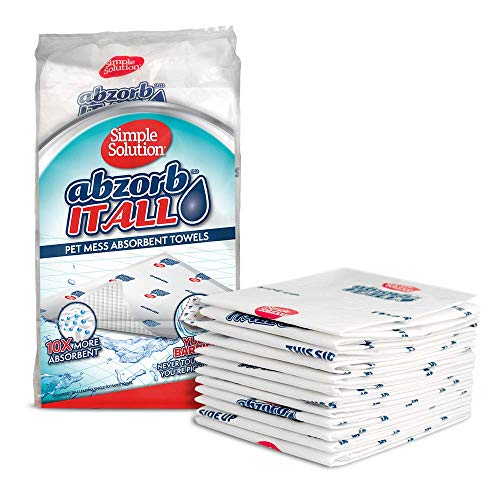
- Blot, Don't Rub: To clean up a fresh accident, blot the area with a paper towel or cloth. Rubbing can spread the urine further into the carpet or floor.
- Vinegar and Water Solution: For an emergency solution, a 1:1 mix of white vinegar and water can help neutralize the smell before you use a proper enzymatic cleaner. However, it is not a substitute.
- Test in an Inconspicuous Area: Before using any cleaner, test it on a small area of your flooring to ensure it doesn't cause discoloration.
Prevention Strategies
Preventing accidents is about managing your dog's environment, understanding their needs, and setting them up for success.
- Stick to a Routine: Predictable feeding, walking, and bathroom schedules help regulate your dog's digestive system and reduce the chance of surprises.
- Monitor Water Intake: Especially for puppies and senior dogs, be aware of when they drink. Don't restrict water, but consider when you give it. Picking up water bowls an hour or two before bedtime can help prevent nighttime accidents.
- Use Management Tools: Crates, baby gates, and playpens are your friends. They help confine your dog to a safe space and prevent them from practicing bad habits.
- Positive Reinforcement: Always reward your dog for eliminating outside. This makes going outside the more rewarding option.
- Address Anxiety: If you suspect anxiety is the cause, consult your vet or a behaviorist. They can recommend training methods or medication. For issues like separation anxiety, calming products might also offer temporary relief.
- Invest in the Right Gear: If you have a puppy or an incontinent dog, consider using dog diapers as a tool to protect your floors while you are in the training phase.
Frequently Asked Questions
Frustrated? Don't Be.
Dealing with a dog who is having accidents is stressful, but remember, your dog isn't doing this to make you angry. They are trying to communicate a problem. Be patient, be consistent, and rule out medical problems first. Whether you have a puppy in an apartment or a senior dog struggling with incontinence, there is a solution. The key is to find the root cause and address it with kindness and consistency.