How to Stop a Puppy from Crying in the Kennel
Practical, step-by-step strategies to help your puppy feel safe and settled in their crate — so both you and your pup can sleep through the night.
Bringing home a new puppy is an exciting time, but the first few nights can be challenging. Your puppy is used to sleeping with their littermates and mother, and being alone in a kennel can be scary. Crying, whining, and barking are natural responses to this new environment. The good news: with the right approach, you can teach your puppy to love their crate and stop crying within a few days to a week.
This guide covers everything from understanding why puppies cry to practical, humane training methods that build a positive association with the kennel. If you're also dealing with nighttime potty issues, we've got you covered with linked resources throughout.
Why Do Puppies Cry in the Kennel?
Before you can solve the problem, you need to understand why it's happening. Puppies cry in the kennel for several reasons:
- Separation anxiety: They miss their mother and littermates.
- Unmet needs: They need to go potty, are hungry, or thirsty.
- Fear of the new environment: The crate is a new, confined space.
- Lack of positive association: They don't yet see the crate as a safe place.
- Learned behavior: They've learned that crying gets your attention or lets them out.
Key Insight: The first step is to rule out physical needs. Always take your puppy out for a potty break right before crate time. If they're still crying, it's likely emotional or behavioral, and that's what we'll address below.
Step-by-Step Crate Training
Crate training is the foundation of a peaceful kennel experience. Done right, your puppy will see the crate as their den — a safe, comfortable retreat. Here's how to do it properly.
- Choose the right crate size: The crate should be just large enough for your puppy to stand up, turn around, and lie down comfortably. If it's too big, they might use one corner as a bathroom. For growing puppies, use a divider to adjust the space as they grow.
- Make the crate inviting: Place soft bedding, a blanket with the mother's scent, and safe chew toys inside. You can also put a favorite treat or a stuffed Kong to create a positive association.
- Feed meals in the crate: Start by placing the food bowl just inside the door, then gradually move it further back. This helps your puppy associate the crate with good things.
- Practice short sessions: Lure your puppy into the crate with a treat, close the door for a few seconds, then open it. Gradually increase the time. Reward calm behavior with praise and treats.
- Ignore whining during the day: If your puppy whines during short practice sessions, wait for a pause (even just 1-2 seconds), then reward and release. This teaches them that quiet behavior gets them out.
- Gradually increase nighttime duration: Start with the crate in your bedroom so your puppy feels your presence. Over time, you can move it to its permanent location.
Pro Tip: Exhaust your puppy before crate time. A tired puppy is much more likely to settle. A good walk, play session, or mental stimulation games can make a huge difference. Also, ensure they've had a potty break right before going in.
Nighttime Strategies for Crying Puppies
Nighttime is when most crying occurs. Here are proven strategies to help your puppy (and you) get a good night's sleep.
The 3-Step Nighttime Routine
- 1. Potty break: Take your puppy out right before bed. Wait until they pee, then praise and return to the crate.
- 2. Settle in: Place them in the crate with a chew toy or a special treat that takes time to eat (like a frozen Kong).
- 3. Ignore attention-seeking cries: If your puppy cries after being put in, wait for a pause before checking. If they've just pottied, they don't need to go out again — they're seeking attention.
If your puppy cries persistently, you may need to gradually desensitize them to being alone. Start by sitting near the crate and gradually moving further away over several nights.
Important: Never use the crate as punishment. Your puppy should always feel safe and secure in their kennel. If they associate it with negative experiences, the crying will only get worse.
Common Mistakes That Make Crying Worse
Even with the best intentions, many owners accidentally reinforce the crying behavior. Avoid these common pitfalls:
- Rushing to let them out: If you let your puppy out every time they cry, they learn that crying works. Wait for a quiet moment, even a few seconds, before opening the door.
- Too much freedom too soon: Your puppy isn't ready to roam the house. Crate training provides structure and prevents accidents.
- Inconsistent schedule: Puppies thrive on routine. Feed, play, and crate times should be consistent every day.
- Leaving them crated too long: A puppy's bladder control is limited. Follow the "age in months + 1" rule for maximum crate time.
- Using a crate that's too big or too small: Get the size right to avoid accidents or discomfort.
Products That Can Help Soothe Your Puppy
Several products can make crate training easier and reduce crying. Consider these proven tools:
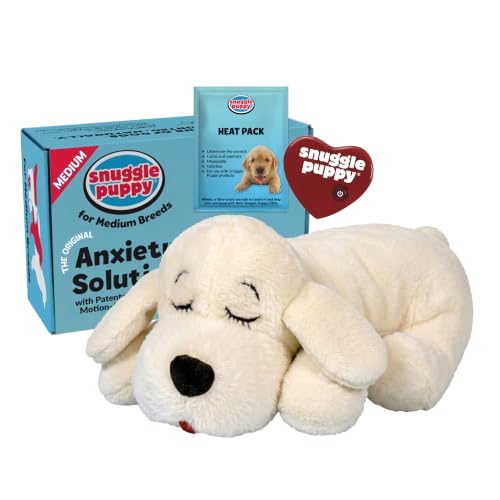
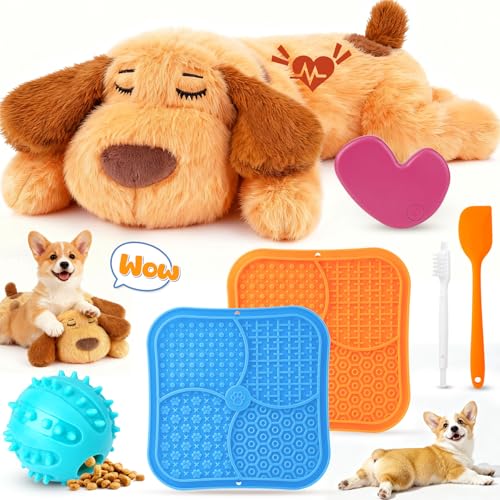
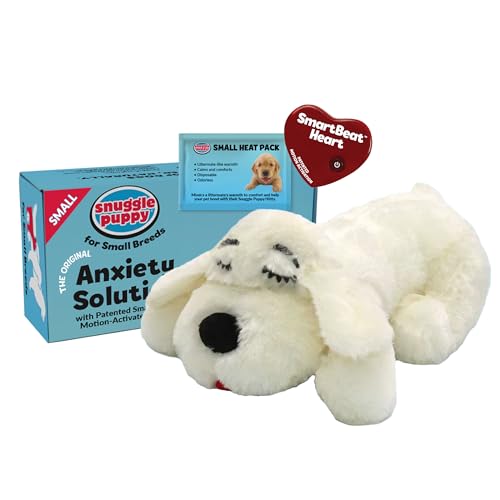
- Comfort toys: Snuggle Puppies with heartbeat simulators mimic the mother's presence.
- Calming chews: Natural supplements with chamomile or melatonin can help anxious puppies.
- Adaptil diffusers: Release calming pheromones that signal "safety" to puppies.
- Interactive toys: Treat-dispensing toys keep your puppy occupied and mentally stimulated.
- Proper bedding: Soft, washable crate mats make the space more comfortable.
Frequently Asked Questions
Patience is Key
Every puppy is different. Some take to the crate immediately, while others need more time and reassurance. The most important thing is to remain calm, consistent, and positive. Your puppy is learning to trust you and their new environment. With the strategies outlined in this guide, you'll both be resting easy in no time. If you're still struggling, consider consulting a veterinary behaviorist for personalized guidance.
You might also find these guides helpful:
How to Get Your Puppy to Like the Crate • How to Get Puppy to Sleep Through Night Without Peeing • How Long Should a Puppy Be in a Crate?