How to Get Your Dog to Come in the House
Stop chasing your dog around the yard. Learn a simple, positive recall method that works every time, so you can get your dog inside quickly and stress-free.
Every dog owner knows the frustration: you open the back door, call your dog, and they either ignore you, give you a quick glance, or worse — run in the opposite direction. A reliable recall isn't just convenient; it's a safety issue. This guide will show you how to train a solid "come" command so your dog comes inside when you ask, no matter the distraction.
This is not about dominance or punishment. It's about teaching your dog that coming to you is the best and most rewarding thing they can do. By following the steps below, you will be able to get your dog to come in the house willingly, happily, and quickly.
Why This Matters: A dog that won't come when called is at risk of running into traffic, getting lost, or getting into fights with other animals. This skill is non-negotiable for every dog owner. Don't wait for an emergency to start training.
Why Your Dog Won't Come Inside
Before you can fix the problem, you have to understand it. Dogs don't ignore you out of stubbornness or a desire to be dominant. Their "disobedience" is almost always based on very logical (to them) reasons.
The Main Reasons
- Coming inside means fun ends. If every time your dog comes in, playtime stops, they get put in a crate, or you leave the house, they will learn to avoid coming.
- Distractions are more interesting. The scent of a squirrel, the neighbor's dog, or an interesting patch of grass is far more exciting than a boring treat you have in your hand.
- They don't actually know the command. You might think your dog knows what "come" means, but if you haven't properly proofed the behavior in different environments, they genuinely might not understand what you're asking.
- Fear or anxiety. If a dog has had a negative experience coming inside (like a scary noise or being scolded), they may be fearful of entering the house.
- Inconsistent training. If you only call your dog when it's time to leave the park or end playtime, you've accidentally trained them that "come" is a bad thing.
Understanding these reasons is the first step in solving the problem. The solution is to change your dog's emotional response to the command "come." You want them to think, "When I hear that word, good things happen!"
The Step-by-Step Training Plan
This training plan works for puppies, adult dogs, and even senior dogs. It uses positive reinforcement and can be broken down into easy steps. Start with no distractions and gradually increase the difficulty.
- Start Indoors. In a quiet room with no distractions, say your dog's name and then the command "come" in a happy, upbeat tone. When your dog takes even one step toward you, immediately reward them with a high-value treat and lots of praise. This is where you build the foundation. Practice this multiple times a day, keeping sessions short and fun. Consistency and patience are key.
- Increase Distance and Distractions. Once your dog is consistently coming to you from a few feet away, start moving further away. Practice in different rooms of the house. Then, move to the backyard. At first, keep the distractions low (like a quiet time of day). Use the most amazing treats you can find — small pieces of cooked chicken, cheese, or hot dogs. You want them to be irresistible.
- Add Distance in the Yard. When your dog is doing well in the yard with minimal distractions, start calling them from further away. Stand on the patio and call them from the far end of the fence. If they come, it's a huge celebration with a jackpot of treats and a game of tug. This will teach them that coming to you is even more exciting than sniffing the fence.
- Add Distractions. Begin calling your dog when there are interesting things going on — like a neighbor's dog walking by or when another family member is playing in the yard. Start with a leash or long line (30-foot line) so you can gently guide them to you if they get distracted. Do not use the line to pull them, but to ensure they can't practice the wrong behavior.
- Introduce the "Come to the Door" Concept. Now, instead of just coming to you anywhere in the yard, you'll start moving the "reward zone" to the door. Call your dog from the middle of the yard, and as they come to you, you start walking backward toward the door. Once you both reach the door, give them a jackpot reward — a whole handful of treats. Then, here's the crucial part: let them go back outside. This teaches them that coming to the door doesn't always mean the fun is over. It can mean a huge party and then they get to go back to playing.
- Practice the "Come Inside" Routine. Repeat the previous step but this time, instead of letting them out again, you open the door and walk inside with them. The reward for coming inside is not just treats, but it's a continuation of the fun. Give them a puzzle toy, a tasty chew, or play an interactive game inside. This ensures that coming inside is just as rewarding as being outside.
Pro Tip: Never call your dog to come inside if all you're going to do is put them in their crate and leave the house. This will poison the cue. Instead, go get them, or simply call them, reward them, and then do something else before crating them, so they don't associate the 'come' command with an undesirable outcome.
The "Emergency Recall"
Every dog should have a special "come" command that is used only in emergencies — when they are about to run into the street or when they are in immediate danger. This command is so heavily rewarded that it overrides any distraction.
- Choose a unique word. Something like "here!" or "chicken!" or a whistle. It shouldn't be used in everyday conversation.
- Practice it sparingly. Only use this word a few times a month. Every single time you use it, it should be followed by the most incredible reward ever — a feast of treats, a new toy, or a special game.
- Always reward this command. Even if your dog didn't come immediately, the moment they do, they get the jackpot. This is the one command you never punish, even if it took them a while to listen.
Safety Note: Do not begin practicing the emergency recall until your regular recall is solid. You want to condition this word as the ultimate, best thing ever, and using it too often will dilute its power.
Helpful Training Tools
Having the right gear can make training much easier and more effective. Here are some tools that can help you teach a reliable recall.
| Tool | How It Helps | Estimated Price |
|---|---|---|
| High-Value Treats | Keeps your dog's attention and makes training rewarding. Use real meat, cheese, or freeze-dried liver. | $15+ |
| 30-Foot Training Leash | Allows you to guide your dog without giving them the freedom to run off and ignore you. Essential for proofing recall. | $20+ |
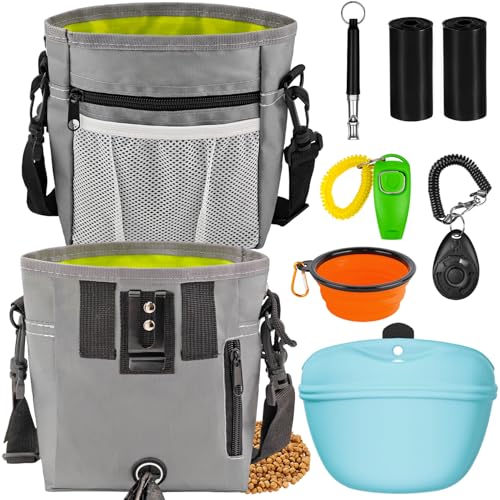
| Treat Pouch | Keeps treats accessible so you can reward instantly. This helps with timing and consistency. | $12+ |
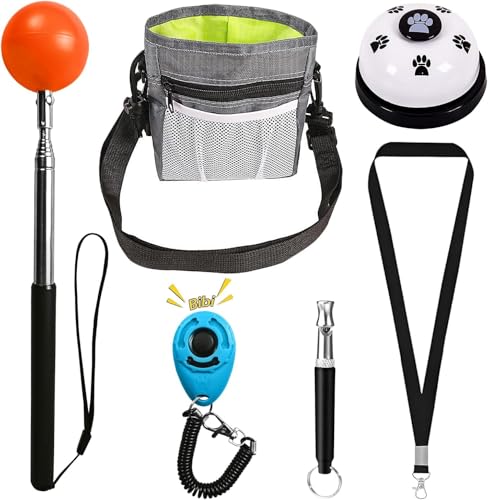
| Clicker | Marks the exact moment your dog does the right thing. It's great for precise communication. Check our training equipment guide for more options. | $8+ |
Troubleshooting: When Your Dog Still Won't Come
Even with the best training, dogs can have off days. Here's how to handle common setbacks.
- Don't Chase. The number one rule is to never chase your dog. This turns it into a game and rewards them for running away. Instead, run the other way or lie down on the ground. This often piques their curiosity and they'll come to you.
- Use the "Call and Retreat" Method. When you call your dog and they start coming, don't just stand there. Walk or run backward, encouraging them to come to you. This makes the chase game go in your favor.
- Check Your Energy. Are you sounding angry or frustrated? Your dog can sense your energy. Always call them in a happy, high-pitched voice. Save the stern voice for other commands if you must.
- Go Back to Basics. If your dog has stopped listening, you probably moved too fast. Go back to a quieter environment and start the steps over again. Progress at a pace your dog is comfortable with.
Common Mistakes to Avoid
These mistakes can undo all your training. Be sure to avoid them at all costs.
- Punishing your dog when they finally come. This is the single worst thing you can do. It teaches your dog that coming to you is dangerous. This is why many dogs won't come in the house; they've been scolded once they got inside.
- Calling your dog for things they dislike. If you call your dog and then immediately give them a bath, trim their nails, or put them in their crate, they will learn to avoid you. Always balance unpleasant tasks with positive experiences.
- Repeating the command. If you say "come, come, come," your dog learns that the command is "come, come, come" and they can wait until the third or fourth repeat. Say it once and mean it. If they don't respond, use your tools to make it happen, don't nag.
- Being inconsistent. If you call your dog sometimes and ignore them other times, they'll learn that listening is optional. Make sure you always have the time and treats to follow through when you give a command.
Patience and Consistency are Key
Teaching your dog to come inside reliably is one of the most important training investments you'll ever make. It takes time, but with patience and consistency, you will have a dog that comes running to you every time. Remember, you are the source of all good things. Make coming to you the best part of your dog's day.
If you're also dealing with other behaviors like crate crying or house training, take a look at our other guides to build a well-rounded training program for your dog.