How to Get Your Dog to Go in the Crate
A step-by-step, positive approach to crate training that transforms the crate from a scary place into your dog's favorite safe space.
Getting your dog to willingly enter their crate can feel like an impossible task, especially if they've had a negative experience or are naturally anxious. However, crate training is an invaluable skill that provides your dog with a secure den, aids in housetraining, and keeps them safe when you can't supervise them. The key to success isn't force or punishment—it's patience, positive reinforcement, and a strategic plan.
This guide will provide you with a proven, step-by-step method to help your dog love their crate. By following this plan, you'll be able to turn the crate into a positive space your dog chooses to go to, rather than a place they're forced into. For a complete approach to bringing a new puppy home, check out our comprehensive Puppy Guide.
Why Crate Train? A crate is not a punishment. It's a safe, comfortable den that satisfies your dog's natural instinct to seek out a small, secure space. Proper crate training is essential for housebreaking, preventing destructive behavior, and providing your dog with a quiet place to retreat.
1. The Fundamentals of Crate Training
Before you start the training, it's vital to understand the principles that will make it work. The entire process should be based on positive experiences. You want your dog to associate the crate with all their favorite things.
Setting Up for Success
A positive association is your greatest tool. This means the crate should always be a source of good things. Avoid any negative interactions, like forcing your dog inside or using it as a timeout spot. For a comfortable setup, consider investing in high-quality dog crates and comfortable dog beds.
- Choose the Right Crate: The crate should be large enough for your dog to stand up, turn around, and lie down comfortably, but not so large that they can use one corner as a bathroom.
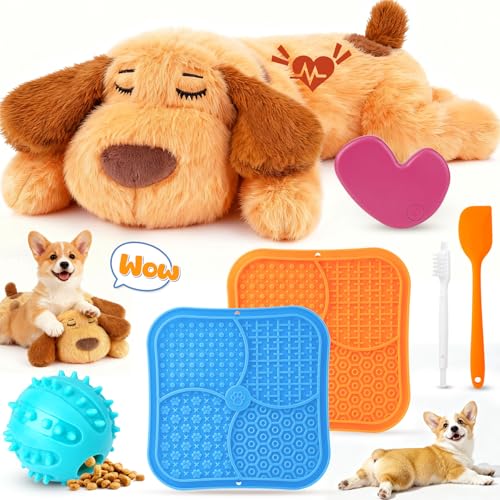
- Make it Comfortable: Place a soft, washable bed or blanket inside. This makes the space inviting. Add a safe, durable chew toy, like a chew toy for dogs or a Kong stuffed with treats.
- Create a Den-Like Environment: Many dogs feel more secure in a crate that's partially covered with a blanket or a crate cover. This reduces visual stimuli and mimics a natural den.
Essential Tools & Treats
Having the right tools will make the training process smoother and more effective. High-value treats are non-negotiable—they should be something your dog absolutely loves and rarely gets otherwise.
- High-Value Treats: Use small, soft treats like boiled chicken, cheese, or commercial training treats. Reserve these special treats exclusively for crate training.
- Interactive Toys: Toys that can be stuffed with food, such as a Kong or a puzzle toy, are incredibly effective. They give your dog a rewarding activity to do while inside the crate.
- A Clicker or Marker Word: Using a clicker or a consistent word like "Yes!" can help you precisely mark the moment your dog interacts with the crate, speeding up the learning process.
2. The Step-by-Step Plan
This is the core of the training. It's designed to be slow and steady, gradually building your dog's confidence. Do not rush these steps. If your dog shows signs of stress or fear, take a step back to the previous successful stage.
- Make the Crate a Familiar Object: For the first day or two, just leave the crate door open in a high-traffic area of your home. Place treats and toys inside and around the crate, allowing your dog to explore it freely without any pressure. Praise them for any interaction, like sniffing it or stepping a paw inside.
- Encourage Voluntary Entry: Start throwing high-value treats just inside the crate. Your dog will likely go in to get the treat. Once they are comfortable going all the way in, start saying a cue like "kennel" or "crate" just as they enter. Practice this many times, rewarding with multiple treats while they're inside.
- Closed Door, Short Duration: Once your dog is happy to go into the crate on cue, gently close the door for just a second, then open it immediately. While the door is closed, drop a few more treats in through the bars. Gradually increase the time the door is closed to a few seconds, then a minute, then a few minutes. Always remain near the crate during this phase.
- Practice While You're in Sight: After your dog is comfortable with a closed door for a few minutes, try leaving the room for very short periods (a few seconds). Return, calmly open the door, and reward. The key is to return and release before your dog starts to whine or get anxious.
- Build Up Distance and Duration: Systematically increase the amount of time you're out of sight and the distance you move away. Start with a minute, then go to two, then five. Always return to the crate, reward your dog for remaining calm, and then release. If your dog whines, you've progressed too quickly. Shorten the duration or distance for the next session.
- Start Leaving the House: Once your dog can be calm in the crate for 20-30 minutes while you're in another room, you can start practicing short outings. Leave the house for 5 minutes, then 10, then 20, etc. Don't make a big deal of leaving or returning—keep it calm and matter-of-fact.
Pro Tip: Feed your dog all their meals inside the crate. This is one of the fastest ways to build a positive association. Simply place their food bowl at the back of the crate and leave the door open. Over time, close the door while they eat and open it as soon as they finish.
3. Troubleshooting Common Problems
Even with the best plan, you may encounter hurdles. Here are the most common issues and how to solve them.
- Whining or Barking at Night: This is a classic challenge, especially with puppies. The key is to ensure you've followed the previous steps to build a positive association. Take your puppy out for a final bathroom break right before bed, and place the crate near your bed so they can hear and smell you. If they whine, wait for a pause (even a second of silence) before letting them out for a quick, boring potty break and then straight back in. For more specific advice, read our guide on how to get a puppy to stop crying at night.
- Dog Won't Enter the Crate: You may have moved too fast. Go back to Step 1. Use exceptionally high-value rewards—things your dog never gets otherwise. Scatter treats from the entrance all the way to the back of the crate. Sometimes, sitting with the crate door open and just dropping treats in can help rebuild trust. If your dog has had a terrible experience, a different style of crate or a different location might help.
- Separation Anxiety: Crates can be a useful management tool for separation anxiety, but they are not a cure. If your dog panics in the crate (panting, drooling, trying to escape), do not just lock them in. This can be dangerous. You'll need to address the underlying anxiety. Start with very, very short departures and build up the duration over many weeks. You can also learn more about dog calming products and anxiety wraps for dogs which can help.
- Your Dog Has an Accident in the Crate: Most dogs will naturally avoid soiling their sleeping area. If accidents happen, the crate is likely too big. Reduce the size of the crate with a divider, or make sure you're not leaving them in for longer than they can physically hold it. Additionally, rule out any medical issues by consulting your vet, especially if this is a sudden change in an older dog.
4. Making the Crate a Permanent Safe Haven
The goal is to make the crate a place your dog loves and chooses to be. When used correctly, a crate is a tool for safety and comfort, not a tool for isolation.
Continue to reinforce the crate's value even after your dog is fully trained. Give them a special treat every time they go in. Leave the door open when you're home so they can nap in their "den" if they want. Use the crate for short periods when you're home, like while you're taking a shower, so it doesn't always mean you're leaving.
Maximizing Your Dog's Lifespan and Wellbeing
A well-trained dog is a happy dog. Crate training contributes to a safer and more harmonious home. When combined with proper daily exercise requirements for dogs, proper nutrition, and regular health care, crate training helps create a balanced life for your dog. This structured environment reduces stress and anxiety, which can lead to a longer, healthier life for your canine companion.