How to Tell If a Dog Is Going Into Heat
Learn to recognize the early signs, stages, and behaviors that indicate your female dog's estrus cycle is beginning. This complete guide helps you prepare for her heat cycle and care for her properly.
Understanding the Heat Cycle
Every unspayed female dog will experience estrus — commonly called "heat" — typically twice a year. Recognizing the signs early helps you prepare and prevents unwanted pregnancy. Understanding your dog's reproductive cycle is essential for responsible pet ownership.
Many new dog owners are surprised by the physical and behavioral changes that occur during heat. By learning to recognize these indicators, you can ensure your dog stays safe and comfortable throughout her cycle. This guide helps you understand exactly what to expect and how to best support your dog.
What is the heat cycle?
The heat cycle (estrus cycle) is the reproductive cycle of female dogs. It begins when the dog reaches puberty and continues throughout her life unless she is spayed. The cycle is controlled by hormones and prepares the dog's body for potential pregnancy.
Early Signs Your Dog Is Going Into Heat
Recognizing the early signs can help you prepare before the cycle fully begins. Here are the most common indicators to watch for:
- Vulvar swelling: The most noticeable early sign. The vulva becomes enlarged, red, and puffy. This typically appears 7-10 days before bleeding starts.
- Bloody or straw-colored discharge: Initially bright red, the discharge may become lighter (straw-colored or pink) as the cycle progresses. Different dogs have different amounts of bleeding.
- Increased urination: Female dogs in heat urinate more frequently and may "mark" their territory with urine that contains pheromones to attract males.
- Changes in appetite: Some dogs eat less during heat, while others may experience increased hunger. Both are normal.
- Increased licking: Your dog may lick her vulvar area frequently to clean herself. This is natural and helps manage the discharge.
- Swollen mammary glands: Some dogs may show mild nipple swelling during heat cycles, though this is more common in false pregnancies after the cycle.
Pro Tip: Keep a journal or calendar to track your dog's cycles. Most dogs have predictable patterns, and tracking helps you anticipate the next cycle. Note the date bleeding starts and ends, plus any behavioral changes.
The 4 Stages of Estrus
Understanding the four stages of your dog's heat cycle helps you know when she is fertile and when she needs extra care and supervision.
1. Proestrus
7-10 daysThe beginning of the heat cycle. Vulvar swelling starts, bloody discharge appears, and your dog may attract male dogs but will not allow mating. This stage prepares the body for ovulation.
2. Estrus
5-14 daysThe fertile period. Discharge lightens to pink or straw-colored. The dog "stands" for males and allows mating. This is when pregnancy can occur. Ovulation typically occurs 2-4 days into estrus.
3. Diestrus
60-90 daysThe period after ovulation. If the dog is pregnant, gestation occurs during this stage. If not, hormone levels gradually return to normal. Swelling subsides and discharge stops.
4. Anestrus
Several monthsThe resting phase between heat cycles. No sexual activity or behavioral changes occur. This period allows the reproductive system to recover before the next cycle begins.
Understanding these stages helps you know exactly where your dog is in her cycle and what to expect next. Learn more about the 4 stages of a dog's heat cycle for detailed information on each phase.
When Do Dogs Go Into Heat?
Age of First Heat
Most female dogs experience their first heat cycle between 6-12 months of age. Smaller breeds tend to start earlier (as early as 4-6 months), while larger and giant breeds may start later (12-18 months or even up to 24 months).
Frequency of Cycles
The average dog goes into heat twice a year, approximately every 6 months. However, this can vary by breed:
- Small breeds: May cycle every 4-6 months
- Medium breeds: Typically every 6-7 months
- Large breeds: Often cycle every 7-12 months
- Giant breeds: May have cycles every 12-18 months
How long does a dog stay in heat?
The average heat cycle lasts 2-4 weeks (18-21 days on average). Bleeding typically lasts 7-10 days, followed by the fertile period when the female accepts mating. The entire cycle varies between breeds and individual dogs.
How long does bleeding last?
Most dogs bleed for 7-10 days during the proestrus stage. Some dogs bleed very little, while others may have heavier discharge. The amount of bleeding does not indicate fertility or health issues — it varies widely between individuals.
Behavioral Changes to Watch For
Physical signs are often accompanied by noticeable behavioral changes. Understanding these helps you respond appropriately to your dog's needs.
- Increased clinginess: Your dog may become more affectionate, following you around and seeking extra attention.
- Restlessness: She may have difficulty settling, pace more often, or appear anxious.
- Nesting behavior: Some female dogs prepare "nests" by rearranging bedding or blankets.
- Flagging: When you touch her lower back or tail area, she may lift her tail to the side (flagging) — this is a receptive behavior.
- Male dog attraction: Male dogs may become more interested in your dog, appearing at your fence or following her during walks.
- Mood changes: Some dogs become irritable or more sensitive during heat. Be patient and give her space when needed.
Important: Behavioral changes are normal and hormone-driven. Never punish your dog for these behaviors — she cannot control them. Instead, provide extra comfort, engage in gentle play, and maintain a calm environment.
How to Care for a Dog in Heat
Proper care during heat keeps your dog comfortable and safe. Here's what you need to do:
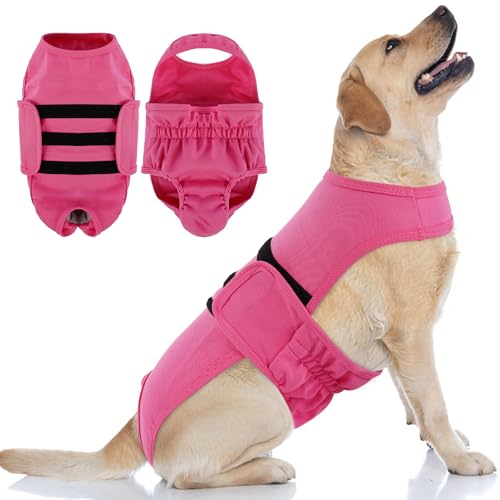
- Use dog diapers or pads: Many owners use reusable or disposable dog diapers to manage discharge. This keeps your home clean and makes your dog more comfortable.
- Keep walks leashed: Always walk your dog on a leash during heat. Even well-behaved dogs may try to escape or become distracted. Male dogs can detect a female in heat from a mile away.
- Avoid dog parks: Keep your dog away from dog parks and other off-leash areas. Female dogs in heat can cause fighting and aggression among males.
- Provide extra comfort: Offer warm bedding, a quiet place to rest, and extra attention. Some dogs appreciate gentle belly rubs if they enjoy them.
- Bathing and hygiene: You can bathe your dog if needed, but avoid submerging her in water. Regular wiping with damp cloths can help manage discharge and keep her clean.
- Monitor food and water: Some dogs have reduced appetite during heat. Offer small, frequent meals. Always provide fresh water.
⚠️ Safety Warning: Never leave your dog unattended outside, even in a fenced yard. Male dogs can climb fences, dig under them, and some may even jump over. Unneutered males will be extremely persistent to reach a female in heat.
Preventing Unwanted Pregnancy
If you don't plan to breed your dog, preventing pregnancy is essential. Here are your options:
Spaying Before First Heat
Spaying before the first heat cycle significantly reduces the risk of mammary cancer and eliminates the possibility of unwanted pregnancy. Many veterinarians recommend spaying around 6 months of age.
Spaying After Heat
Most vets recommend waiting 2-3 months after the heat cycle ends before spaying. This allows hormone levels to return to normal and reduces surgical risks.
If your dog is currently in heat and you want to prevent pregnancy, keep her completely separated from all intact male dogs for the entire cycle. Remember that sperm can survive in the reproductive tract for several days, so continue separation until the cycle is completely over.
For more detailed information on timing, see our guide on how long after heat a dog can be spayed for the most current veterinary recommendations.
Spaying After Heat
Spaying (ovariohysterectomy) is a surgical procedure that removes the ovaries and usually the uterus. This permanently prevents heat cycles and pregnancy. Here's what you need to know about timing:
- Best timing: 2-3 months after the heat cycle ends. This allows hormones to return to baseline and reduces surgical bleeding.
- During heat: Spaying during heat is possible but more complicated due to increased blood flow to the reproductive organs. Many vets prefer to wait if possible.
- Age considerations: Spaying can be done at any age after the dog is healthy and fully vaccinated. However, the earlier you spay, the greater the health benefits.
- Post-surgical care: After spaying, your dog will need restricted activity for 10-14 days. E-collars prevent licking the incision site.
Health Benefits of Spaying:
• Eliminates risk of ovarian and uterine cancer
• Dramatically reduces breast cancer risk (especially if done before first heat)
• Prevents pyometra (life-threatening uterine infection)
• Eliminates heat cycles and associated behavioral challenges
• Helps control the pet overpopulation problem
For more information on when to spay, read our article on spaying after heat for detailed veterinary guidance.
Frequently Asked Questions
Understanding Your Dog's Heat Cycle Is Essential
Recognizing the signs of heat helps you prepare and provides better care for your dog. Whether you plan to spay or breed, understanding the estrus cycle is fundamental to responsible dog ownership. If you have questions about your specific dog's health or reproductive cycle, consult your veterinarian. For more detailed information on caring for a dog in heat, check out our comprehensive guide on managing your dog's heat cycle.