How to Tell If Your Dog Is Going Into Heat
Recognizing the early signs of heat in your female dog is essential for her health, safety, and your peace of mind. Learn the physical and behavioral changes that signal her fertile period.
If you have a female dog that hasn't been spayed, understanding when she is going into heat is a crucial part of responsible pet ownership. The heat cycle—also called estrus—is the period when your dog is fertile and can become pregnant. Recognizing the signs early helps you prevent unwanted pregnancies, manage her behavior, and ensure she stays comfortable during this natural process.
Most female dogs experience their first heat between 6 and 12 months of age, though smaller breeds may start as early as 4-5 months, while giant breeds may not cycle until 18-24 months. After that, they typically go into heat twice a year, approximately every 6-8 months. Knowing the signs is the first step to being prepared.
8 Early Signs Your Dog Is Going Into Heat
Your dog's body will give you clear signals that heat is approaching. Here are the most common and reliable indicators to watch for:
1. Swollen Vulva
The most obvious physical sign. The vulva will become noticeably enlarged, often looking puffy and reddish. This swelling typically begins 7-10 days before bleeding starts.
2. Bloody Vaginal Discharge
You may notice a bloody or straw-colored discharge from the vulva. The color changes from bright red to pinkish as the cycle progresses. Some dogs are very clean and may lick it away, making it harder to spot.
3. Increased Urination
Your dog will urinate more frequently and in smaller amounts. This is not just a physical need—she is leaving scent markers to attract male dogs. You may notice her marking spots more deliberately on walks.
4. Behavioral Changes
Expect mood swings. She may become more clingy and affectionate, or conversely, more irritable and restless. Some dogs become anxious, whine, or lose interest in food. Others may become more playful or seek extra attention.
5. Flagging Tail
When she is ready to mate, she will "flag" her tail—holding it to the side or lifting it up, exposing her vulva. This is a clear sign of receptivity and usually happens in the estrus stage (after the initial bleeding).
6. Increased Interest from Male Dogs
Even if you can't tell she's in heat, nearby male dogs will. They may become restless, whine at your door, or show unusual interest in her scent. This is one of the most reliable external cues.
7. Licking the Genital Area
Dogs instinctually keep themselves clean. If she is licking her vulva more frequently than usual, it's a sign she is aware of the discharge and changes happening. This can be a subtle but consistent indicator.
8. Changes in Appetite
Some dogs experience a decreased appetite during heat, while others may actually eat more. Any sudden change in eating habits that coincides with other signs should be noted.
Important: If you observe any of these signs, especially a swollen vulva or bloody discharge, your dog is likely entering heat. Keep her away from unneutered male dogs for at least 3-4 weeks to prevent an unplanned pregnancy. For more detailed guidance, read our full article on what to do when your female dog is in heat.
Understanding the 4 Stages of the Heat Cycle
The canine heat cycle is divided into four distinct stages. Knowing each stage helps you predict when your dog is most fertile and when the cycle will end.
Proestrus (The Beginning)
This is the first stage and typically lasts 7-10 days. It begins with the swelling of the vulva and bloody discharge. During this phase, your dog will attract males but will not allow mating. She may be standoffish or even aggressive toward male dogs. Her estrogen levels are rising, preparing the body for ovulation.
- Duration: 7–10 days (varies by dog)
- Key signs: Swollen vulva, bloody discharge, increased urination
- Behavior: Attracted to males but does not allow mounting
Estrus (The Fertile Period)
This is the "standing heat" phase, lasting 5-10 days. The discharge changes to a lighter pinkish or straw color. The vulva is still swollen but may soften. Your dog will now accept the male and is at her most fertile. Ovulation typically occurs 2-3 days after she first accepts mating.
- Duration: 5–10 days (average 7 days)
- Key signs: Lighter discharge, flagging tail, receptive posture
- Behavior: Actively seeks males, stands to be mounted
Diestrus (The Luteal Phase)
This stage follows estrus and lasts about 60-90 days, regardless of pregnancy. If she is pregnant, this is the gestation period. If not, her body returns to normal. The vulva gradually shrinks, discharge stops, and she loses interest in males. Progesterone levels are high.
- Duration: 60–90 days
- Key signs: Swelling subsides, discharge stops
- Behavior: No longer receptive, may appear "back to normal"
Anestrus (The Resting Phase)
This is the period of sexual inactivity between cycles. It lasts 4-5 months or longer, depending on the dog. The reproductive system is resting, and there are no visible signs of heat. This is the normal state of a spayed dog or a female between cycles.
- Duration: 4–5 months (or until next proestrus)
- Key signs: No heat signs present
- Behavior: No interest in mating
Timeline: When to Expect Each Stage
While individual dogs vary, the following table provides a general timeline for a typical 21-day heat cycle. Use this as a reference to track your dog's progress.
| Stage | Approximate Duration | Key Signs | Fertility |
|---|---|---|---|
| Proestrus | 7–10 days | Swollen vulva, bloody discharge, frequent urination | Not fertile (will reject males) |
| Estrus | 5–10 days | Lighter discharge, tail flagging, receptive to males | Highly fertile (peak around days 2-4 of estrus) |
| Diestrus | 60–90 days | Swelling subsides, discharge stops, no interest in males | Not fertile (pregnancy if conceived) |
| Anestrus | 4–5 months | No signs of heat | Not fertile |
💡 Pro Tip: Keep a journal or calendar to track your dog's heat cycles. Note the start date of bleeding, changes in behavior, and when she becomes receptive. Over time, you'll be able to predict her cycles with greater accuracy. This is especially helpful if you are considering breeding or timing a spay surgery. For more details on spaying after heat, read how long after a heat can a dog be spayed.
How to Care for Your Dog During Heat
Heat can be a confusing and uncomfortable time for your dog. Your role is to provide comfort, safety, and consistency. Here's how to help her through it:
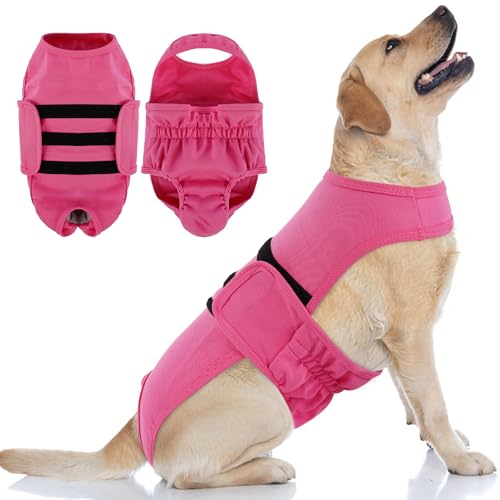
- Use doggie diapers: Disposable or washable diapers can manage the bleeding and protect your floors. This is especially helpful during the proestrus stage.
- Provide a quiet space: Create a calm, comfortable area where she can retreat. A warm bed, soft blankets, and a quiet room can help reduce anxiety and restlessness.
- Keep her indoors: Keep her on a leash and away from male dogs during the entire cycle (3-4 weeks). Even intact males from far away will be attracted to her scent.
- Extra exercise and mental stimulation: Short, calm walks and puzzle toys can help distract her and burn off nervous energy. Avoid intense physical activity that might cause injury or fatigue.
- Monitor her appetite: Offer small, frequent meals if she is not eating well. Adding a little wet food or broth can stimulate her appetite.
- Consult your vet: If she seems in extreme pain, has a foul-smelling discharge, or shows signs of illness (fever, lethargy), contact your veterinarian immediately. These could be signs of a pyometra (uterine infection) or other complication.
🛒 Get Prepared: Essential Products for a Dog in Heat
Having the right products on hand makes the entire process easier for both you and your dog. From comfortable diapers to pheromone diffusers, we've curated a list of the best dog care products to help you manage your dog's heat cycle safely and comfortably.
Frequently Asked Questions
Be Prepared for Every Heat Cycle
Knowing the signs of heat in your dog is the first step to responsible ownership. By learning to recognize the symptoms early, you can keep her safe from unwanted pregnancies, provide comfort during this natural process, and maintain her overall health and well-being.
If you have any doubts or concerns about your dog's health during heat, always consult your veterinarian. They can provide personalized advice based on your dog's breed, age, and health history.
For more in-depth information, check out our related articles: how to know if your dog is going into heat and what do you do when your dog is in heat.