How to Know if Your Dog Is Going Into Heat: 8 Clear Signs
Recognizing the early signs of a dog in heat is essential for every pet owner. This complete guide explains the estrus cycle, physical and behavioral changes, and how to care for your female dog during this time.
What Is a Dog's Heat Cycle?
Understanding your dog's heat cycle—known scientifically as the estrus cycle—is the first step to recognizing when your female dog is going into heat. This natural reproductive cycle signals that your dog is fertile and capable of becoming pregnant.
Most female dogs experience their first heat between 6 and 12 months of age. However, smaller breeds may start as early as 6 months, while giant breeds might not have their first heat until 18–24 months. After the first cycle, most dogs go into heat approximately every 6 to 8 months, though this interval can vary.
Important: If your dog has been spayed, she will not go into heat. If you suspect your spayed dog is showing heat-like symptoms, schedule a vet visit immediately—it could indicate a hormonal imbalance or a medical issue.
The 4 Stages of the Estrus Cycle
To know if your dog is going into heat, it helps to understand the four distinct stages of the cycle. Each stage brings different physical and behavioral changes.
-
1
Proestrus (Days 1–9 to 10)
This is the beginning of the heat cycle. The vulva swells, and you'll notice a bloody or pinkish vaginal discharge. Your dog may attract males but will not yet be receptive to mating. Behaviorally, she may become more nervous, clingy, or occasionally aggressive toward other dogs.
-
2
Estrus (Days 5–9 to 14)
This is the fertile window. The discharge becomes lighter (straw-colored or pinkish) and may decrease. Your dog will now be receptive to males and will "flag" her tail to the side to signal readiness. She may also urinate more frequently to mark her territory with pheromones.
-
3
Diestrus (Days 15–60 to 90)
After ovulation, if no pregnancy occurs, the cycle enters this resting phase. Physical signs like swelling and discharge gradually disappear. Your dog's hormone levels stabilize, and she will no longer be receptive to males. This stage lasts about 2 months.
-
4
Anestrus (Variable)
This is the "off" period—a resting phase between cycles with no heat activity. It can last for several months before the next proestrus begins. During this time, your dog's reproductive system is inactive.
8 Physical Signs Your Dog Is Going Into Heat
The most reliable way to know if your dog is going into heat is to observe physical changes. Here are the most common signs:
- Swollen Vulva: The vulva will become noticeably enlarged and redder than usual. This is often the first visible sign and begins during proestrus.
- Vaginal Discharge: A bloody or pinkish discharge is typical in the early stages. The color often lightens to straw-colored as the cycle progresses. Keep an eye on the amount and consistency—excessive or foul-smelling discharge may indicate an infection.
- Frequent Urination: Your dog will urinate more often and in smaller amounts. She is leaving scent markers to attract male dogs. You may also notice her lifting her leg more frequently.
- Tail Position Changes: When she is ready to mate (in the estrus stage), your dog will hold her tail to the side—a behavior called "flagging." She may also raise her rear end when you pet her lower back.
- Increased Licking of Genital Area: Your dog will be more diligent about keeping her genital area clean, which is a normal response to the discharge. Increased licking is common throughout the cycle.
- Changes in Appetite: Some dogs eat less during the first few days of heat, while others may have an increased appetite. If you notice your dog won't eat dog food only human food, it might be due to the hormonal changes affecting her appetite.
- Nesting Behavior: Some female dogs become more interested in creating a comfortable "nest" by arranging blankets or bedding. This is more common as the cycle progresses, especially if she senses she is pregnant.
- Attracting Male Dogs: Perhaps the most obvious sign—if intact male dogs are suddenly showing up at your yard or following you on walks, your dog is likely in or approaching heat.
A female dog in heat can become pregnant very easily. If you do not intend to breed, keep her on a leash during walks, avoid dog parks, and ensure your yard is secure. Consider spaying after the cycle if you are not planning to breed. For more detailed guidance, read our article on what to do when your female dog is in heat.
Behavioral Changes to Watch For
Physical signs are not the only indicators. Hormonal shifts can cause significant behavior changes that tell you your dog is going into heat.
- Restlessness and Nervousness: Your normally calm dog might seem anxious, pace around the house, or have trouble settling down.
- Clinginess or Irritability: Some dogs become extra affectionate and follow you everywhere, while others may become more irritable and want to be left alone.
- Mounting Behavior: Both male and female dogs may mount other dogs (or objects) during heat. For female dogs, this is not necessarily sexual—it can be a sign of hormonal arousal.
- Attention from Male Dogs: If you have a male dog in the house, he may become increasingly interested in her, pacing, whining, or even refusing to eat.
- Increased Aggression: Some female dogs become more territorial or aggressive toward other female dogs, especially in the early stages of the cycle.
Tip: If your dog's behavior changes drastically, consult your veterinarian. While heat-related changes are normal, sudden extreme aggression or depression could signal a health issue.
How to Care for a Dog in Heat
Caring for a dog in heat requires patience, preparation, and a few practical adjustments. Here's what you can do:
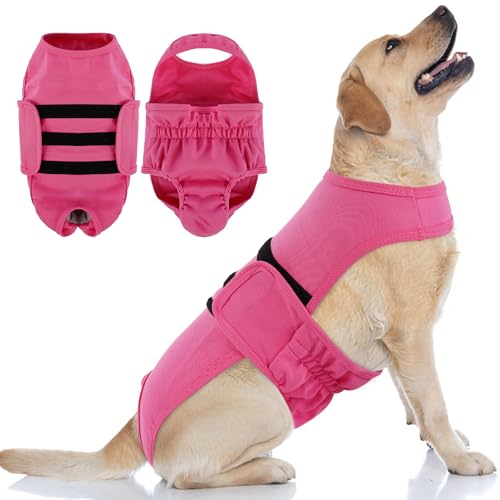
- Use Dog Diapers or Sanitary Pants: These help manage the bloody discharge and protect your furniture and floors. They are especially useful during the proestrus stage. You can find high-quality dog diapers on our product page.
- Keep Her Indoors and Supervise: Even in a fenced yard, a male dog can find a way to reach her. Always supervise outdoor time and keep her on a leash during walks. This is crucial for preventing unwanted pregnancy.
- Adjust Exercise and Play: While exercise is still important, consider shorter, less strenuous walks. Avoid dog parks or areas where intact males might be present.
- Provide Mental Stimulation: Since she may be more restless, use interactive dog toys and puzzle toys to keep her mind engaged. This can help reduce anxiety and stress.
- Maintain a Consistent Routine: Keep feeding times, walk times, and bedtimes consistent. Stability can help her feel more secure during this period of hormonal change.
- Monitor Her Health: Keep an eye on the amount and color of the discharge. If you notice a foul odor, excessive bleeding, or signs of lethargy, contact your vet immediately.
Consider Spaying: If you are not planning to breed your dog, spaying is the best way to prevent heat cycles, unwanted pregnancies, and reduce the risk of certain cancers. However, most vets recommend spaying after the heat cycle has ended to minimize surgical complications. Learn more about how long after a heat can a dog be spayed.
Frequently Asked Questions
Ready to manage your dog's heat cycle with confidence?
Understanding the signs of a dog in heat is the first step toward responsible pet ownership. By recognizing these physical and behavioral changes, you can provide the best care, prevent unwanted pregnancies, and ensure your dog's comfort. For more expert advice, check out our complete guide on what to do when your female dog is in heat.