How Many Times a Year Do Dogs Go in Heat?
Understand the canine estrus cycle, including the frequency, stages, signs, and what to expect when your female dog is in season. A complete guide for dog owners.
Understanding the reproductive cycle of your female dog is a fundamental part of responsible pet ownership. The question "how many times a year do dogs go in heat" is one of the most common queries among new and experienced dog owners alike. Knowing the answer helps you prepare for the physical and behavioral changes your dog will experience, manage her care, and make informed decisions about spaying or breeding.
In this comprehensive guide, we'll explore the frequency of the canine estrus cycle, break down each stage, highlight the signs to look for, and provide practical advice on managing your dog during this time. Whether you're a first-time owner or looking to expand your knowledge, this article will give you the clarity and confidence you need.
How Often Do Dogs Go Into Heat?
The short answer is: most female dogs go into heat approximately twice a year, roughly every six months. However, this is a generalization, and the actual frequency can vary significantly based on several factors, including breed, size, age, and individual health.
The canine estrus cycle is not like the human menstrual cycle; dogs do not cycle monthly. Instead, they are seasonally polyestrous, meaning they have multiple cycles per breeding season. For most domestic dogs, breeding season is not strictly seasonal, so they can cycle throughout the year, though some primitive breeds may still be seasonal.
Key Takeaway: While twice a year is the average, some dogs may cycle every 4 months, while others might go a year or more between cycles. The variation is normal and usually not a cause for concern.
Factors That Influence Cycle Frequency
- Breed and Size: Smaller breeds tend to cycle more frequently (every 4-6 months) and often begin their first heat earlier. Giant breeds often cycle less often (every 12-18 months) and start later. The difference is significant; toy breeds like Chihuahuas may cycle four times a year, while giant breeds like Great Danes may cycle only once a year.
- Age: Young dogs (under 2 years) may have irregular cycles. As a dog matures, her cycles usually become more regular and predictable. Older dogs (senior) may have longer intervals between heats or stop cycling altogether.
- Health and Nutrition: Poor nutrition, obesity, or underlying health issues can disrupt the cycle, leading to irregular or absent heats. A healthy, well-fed dog is more likely to have a regular cycle.
- Environment and Season: While less common in domestic dogs, environmental factors like light exposure and temperature can influence cycles in some breeds.
The 4 Stages of the Heat Cycle
To fully understand the heat cycle, it's important to know its four distinct stages. The entire cycle, from the start of one heat to the next, typically spans about six months but can range from 4 to 12 months. Each stage plays a critical role in your dog's reproductive health.
| Stage | Duration | What Happens | Key Signs |
|---|---|---|---|
| Proestrus | 7-10 days (average) | Follicle development and estrogen rise. The body prepares for ovulation, and the vulva begins to swell. | Bloody discharge, swelling vulva, increased urination, male dogs attracted, but she is not receptive yet. |
| Estrus | 5-14 days (average) | Ovulation occurs. This is the "standing heat" period when the dog is fertile and receptive to males. | Discharge becomes lighter (straw-colored), receptive posture (flagging tail), increased interest from males, active seeking of male. |
| Diestrus | 60-90 days (if not pregnant) | Progesterone-dominated period. If not pregnant, the body returns to a non-pregnant state. Can mimic pregnancy (false pregnancy). | Discharge stops, vulva returns to normal size, swollen mammary glands (possible), nesting behavior (possible). |
| Anestrus | 4-6 months (variable) | The resting phase. This is the period between cycles when the reproductive system is inactive and preparing for the next cycle. | No heat signs, no reproductive activity, normal behavior and physical state. |
Important Note: The entire heat cycle lasts about 18-24 days on average, but the fertile window (when she can get pregnant) is typically during the second half of the estrus stage. If you are planning to breed, understanding these stages is crucial for timing.
Signs Your Dog Is in Heat
Recognizing the signs of heat is essential for managing your dog and preventing unwanted pregnancies. The signs vary between the stages, but there are several tell-tale indicators that your dog is in season.
- Vulvar Swelling: The most visible sign. The vulva becomes enlarged and firm to the touch. This starts during proestrus and peaks during estrus.
- Bloody Discharge: A bloody or straw-colored discharge is a hallmark of proestrus and early estrus. The color usually lightens as she progresses from proestrus to estrus.
- Behavioral Changes: She may become more nervous, clingy, or agitated. She may also mount other dogs or people. Conversely, some dogs become more aloof or even aggressive.
- Increased Urination: She will urinate more frequently, leaving scent marks for male dogs. This is a way of signaling her availability.
- Attracting Males: Intact male dogs will be highly attracted to her scent, even from a distance. You may notice male dogs lingering around your home or yard.
- Flagging Tail: She may hold her tail to the side ("flagging") when touched on the rump, especially during estrus, indicating she is ready to mate.
If you suspect your dog is in heat, it's always best to confirm with a veterinarian. They can perform a vaginal cytology or hormone test to pinpoint the exact stage of her cycle.
First Heat: When to Expect It
The age at which a dog has her first heat varies dramatically by breed and size. Most dogs experience their first estrus cycle between 6 and 15 months of age. However, this is a broad window.
- Small breeds (e.g., Chihuahuas, Yorkies): Can start as early as 4-6 months.
- Medium breeds (e.g., Bulldogs, Border Collies): Typically 6-12 months.
- Large breeds (e.g., Golden Retrievers, German Shepherds): Usually 12-18 months.
- Giant breeds (e.g., Great Danes, Mastiffs): Can be as late as 18-24 months or even longer.
Important: A dog's first heat is not the best time for breeding. The reproductive organs are still maturing, and breeding at this age can pose health risks. Responsible breeders usually wait until the dog is at least 18-24 months old and has had at least two cycles before breeding. Learn more about ethical breeding practices.
Breed and Size Variations
As highlighted throughout this guide, breed and size are primary factors in the frequency and timing of heat cycles. Here's a more detailed look at how different types of dogs typically cycle.
Small & Toy Breeds
Dogs under 25 pounds, such as toy breeds like Chihuahuas, Pomeranians, and small terriers, tend to have more frequent cycles. They often cycle every 4 to 6 months (2-3 times a year). Their first heat also occurs early, sometimes as early as 4 months.
Price for a vet visit to confirm a cycle: $50–$150
Medium & Large Breeds
Breeds between 25 and 90 pounds, such as spaniels, bulldogs, and hounds, typically cycle every 6-8 months (1.5-2 times a year). Their first heat usually occurs between 6 and 15 months of age. Their cycles are generally more regular than small breeds.
Price for a canine ovulation test (if breeding): $200–$500
Giant Breeds
Dogs over 90 pounds, like mastiffs and Great Danes, have the longest intervals between cycles. They often cycle only once a year (every 12-18 months) and have their first heat much later, sometimes not until 18-24 months. This is due to their overall slower maturation rate.
Price for a spay surgery (can vary widely): $150–$600+
How to Manage a Dog in Heat
Managing a dog in heat requires patience, vigilance, and preparation. Here are the key steps to keep her safe and comfortable.
- Prevent Unwanted Pregnancy: This is the most critical step. Keep her away from intact males at all times, even in your own yard. Use a leash on walks, and avoid dog parks during her heat cycle (which lasts about 2-4 weeks). The fertile period is in the second half of the cycle.
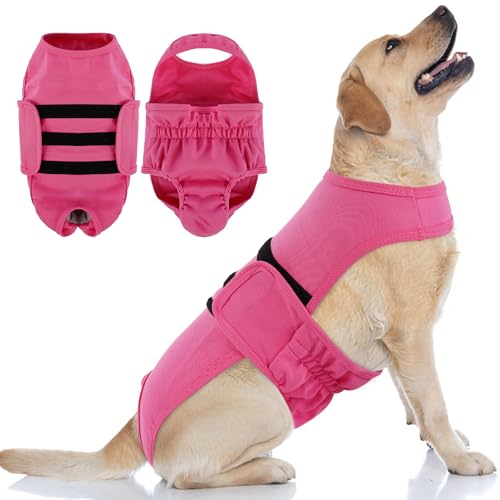
- Use Doggy Diapers: To manage the bloody discharge, invest in washable or disposable dog diapers. This keeps your home clean and is much more comfortable for her. Change them frequently to prevent skin irritation.
- Maintain Routine with Care: While she may be tired or more energetic, try to keep her routine consistent. Provide quiet, comfortable spaces where she can rest. Increase mental stimulation with puzzle toys to distract her from any anxiety.
- Watch for Health Issues: Monitor for signs of pyometra (a severe uterine infection), especially in older unspayed dogs. Symptoms include lethargy, fever, increased thirst, and a foul-smelling vaginal discharge. Seek immediate veterinary care if you notice these signs.
- Monitor Eating and Drinking: Some dogs eat less during heat. Ensure she has access to fresh water and encourage her to eat by offering her favorite treats or warm food.
Behavioral Tip: Your dog may be more anxious or vocal during her heat. Try calming products like pheromone diffusers or anxiety wraps, and provide plenty of quiet, safe spaces. Distraction with interactive toys or a mental stimulation activity can help.
Spaying and the Heat Cycle
Spaying (ovariohysterectomy) is the surgical removal of a female dog's ovaries and uterus, which eliminates her heat cycles and the possibility of pregnancy. It's a common and generally safe procedure with significant health benefits.
- Prevents Heat Cycles: A spayed dog will not go into heat. This eliminates the associated behaviors and management challenges.
- Reduces Health Risks: Spaying greatly reduces the risk of mammary cancer (especially if done before the first heat), eliminates the risk of pyometra (uterine infection), and prevents ovarian cancer.
- When to Spay: The timing of spaying is a subject of some debate. Traditionally, vets recommend spaying before the first heat (around 6 months), but recent studies suggest waiting until after the first heat may be beneficial for larger breeds. Talk to your vet about the best timing for your specific dog. Read more about when to spay or neuter.
- Cost: The cost of spaying varies widely based on location, the size of the dog, and the clinic. Low-cost clinics may charge $50-$150, while private vets might charge $200-$600 or more.
Important Consideration: Once spayed, your dog will no longer have heat cycles. This is a permanent change. If you are considering breeding, do not spay. If you are not planning to breed, spaying is highly recommended for both health and behavioral reasons.
Frequently Asked Questions
Empowered Decisions for Your Dog's Health
Understanding your dog's heat cycle is a cornerstone of responsible dog ownership. By knowing how often she'll cycle, the signs to look for, and how to manage her care, you can ensure her health, safety, and well-being. This knowledge also prepares you for crucial decisions about spaying, breeding, and long-term reproductive health.
For more comprehensive information on your dog's health and care, explore our dog care guide and dog health section. You can also find more detailed information on the estrus cycle, including first-time heat duration and what to do when your dog gets her period.