My Dog Won't Eat Dog Food, Only Human Food
Understanding why your dog refuses kibble and how to transition them back to a healthy, balanced canine diet without risking their health.
Understanding the Problem
It's a common and frustrating scenario: you fill your dog's bowl with high-quality kibble, and they turn up their nose, walk away, or stare at you expectantly. But the moment you sit down to eat your dinner, they are suddenly interested, begging for a bite of your food. If your dog won't eat dog food but will eat human food, you are not alone.
This behavior can be confusing and concerning. You might worry about your dog going hungry or feel guilty and give in to their demands. However, feeding your dog exclusively human food is not a sustainable or healthy solution. It can lead to nutritional deficiencies, obesity, and serious health problems. This guide will help you understand why your dog is refusing their food, the health risks involved, and most importantly, provide a step-by-step plan to transition your picky eater back to a balanced, nutritious dog food diet.
Before we dive in, it's crucial to remember one thing: a sudden loss of appetite can be a sign of a medical problem. If your dog's refusal to eat is accompanied by symptoms like vomiting, diarrhea, lethargy, or weight loss, schedule a visit to your veterinarian immediately. Don't assume it's just pickiness until health issues are ruled out.
Why Dogs Refuse Dog Food
Understanding the root cause of your dog's pickiness is the first step to solving it. Here are the most common reasons why dogs reject their own food in favor of human food:
Behavioral Reasons
- Learned Behavior (The "Hold Out"): Dogs are smart. If they've learned that refusing their food results in something tastier (like your chicken or steak), they will continue this behavior. This is the most common reason for a dog's picky eating. They are simply waiting for a better offer.
- Boredom with Diet: Eating the same kibble day in and day out can become boring. Just like humans, dogs can appreciate variety. A lack of novelty can lead to reduced interest in their regular food.
- Association with Attention: Some dogs have learned that refusing food gets them attention. Even negative attention (like you fussing over them) can be rewarding for an attention-seeking dog.
- Environmental Stress: Changes in routine, new family members, moving to a new home, or loud noises (like fireworks) can cause stress and anxiety, leading to a decreased appetite.
Medical & Physical Reasons
- Dental Problems: Painful teeth or gums can make chewing kibble uncomfortable. This is especially common in older dogs. If your dog is interested in human food (which may be softer or easier to eat), but refuses dry kibble, dental issues could be the culprit.
- Gastrointestinal Issues: An upset stomach, nausea, or digestive problems can cause a dog to lose their appetite.
- Underlying Illness: Kidney disease, liver problems, infections, and cancer can all cause a loss of appetite.
- Spoiled Food: Dog food can go rancid, especially if stored improperly. Check the expiration date and smell the food to ensure it hasn't gone bad.
- Age-Related Changes: Senior dogs often experience a decreased sense of smell and taste, making their food less appealing.
Important Rule of Thumb: A healthy dog will not starve themselves. If your dog skips a meal or two but is otherwise acting normally, it's often okay to wait them out. However, if a dog has not eaten for more than 24 hours, or if they are refusing food and water, it's time to call the vet.
Health Risks of a Human Food Diet
While an occasional, dog-safe human treat is fine, a diet primarily consisting of human food is dangerous for your dog's health. Here's why:
- Nutritional Imbalance: Human food is not formulated to meet a dog's nutritional needs. They require specific ratios of protein, fats, carbohydrates, vitamins, and minerals. A homemade diet lacks the precision of commercial dog food, often leading to deficiencies in essential nutrients like calcium, phosphorus, and certain amino acids. Over time, this can cause serious health problems, including heart disease, bone disorders, and neurological issues.
- Obesity: Human food is typically much higher in calories, fat, and sugar than dog food. Regularly feeding your dog table scraps can quickly lead to weight gain and obesity, which shortens their lifespan and increases the risk of diabetes, joint disease, and heart problems.
- Pancreatitis: Fatty foods, like bacon, fried chicken, and butter, can trigger inflammation of the pancreas (pancreatitis). This is a painful and potentially life-threatening condition that often requires emergency veterinary care.
- Toxicity: Many common human foods are poisonous to dogs.
🚨 Dangerous Human Foods to NEVER Give Your Dog:
Chocolate, grapes and raisins, onions and garlic, xylitol (artificial sweetener), macadamia nuts, avocado, alcohol, coffee, and salty snacks. These can cause severe illness or death. Always check if a food is safe before sharing with your dog.
Safe vs. Unsafe Human Foods
If you choose to give your dog human food, it should only be a small treat (no more than 10% of their daily caloric intake) and must be prepared safely. Here's a quick guide:
Safe (in moderation)
- Plain, cooked, unseasoned chicken, turkey, or lean beef (no bones)
- Plain boiled white or brown rice
- Plain pumpkin puree (not pie filling)
- Plain, cooked sweet potatoes
- Carrots (raw or cooked)
- Green beans (cooked, no salt)
- Apples (no seeds)
- Plain, unsalted peanut butter
- Plain, low-fat Greek yogurt
Unsafe (Never give)
- Chocolate, coffee, and caffeine
- Grapes and raisins
- Onions, garlic, chives, and leeks
- Xylitol (found in sugar-free gum, candy, toothpaste)
- Macadamia nuts
- Avocado
- Alcohol
- Fatty trimmings and bones
- Raw yeast dough
How to Transition Back to Dog Food
Transitioning your dog back to their dog food requires patience and consistency. Here's a proven step-by-step strategy:
- Rule Out Medical Issues: Before implementing any behavioral strategy, take your dog to the vet for a complete checkup to rule out any underlying health conditions.
- Stop the Handouts: This is the most critical step. You must stop giving your dog human food from the table. All family members must be on board with this rule. Your dog needs to learn that refusing their food will not result in a better reward.
- Implement a Structured Feeding Schedule: Stop free-feeding (leaving food out all day). Establish set meal times (e.g., twice a day). Put the food bowl down for 15-20 minutes. If your dog doesn't eat, pick the bowl up and offer it again at the next meal time. This teaches the dog that food is only available at certain times.
- Enhance the Food's Appeal: Make the dog food more enticing. Try these tactics:
- Add a small amount of warm water or low-sodium chicken broth to the kibble to release its aroma.
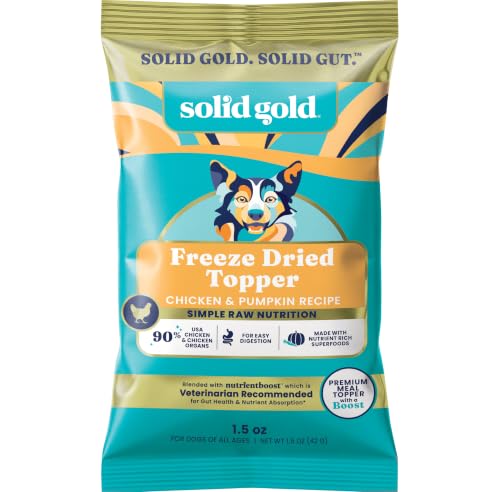
- Mix in a spoonful of plain canned pumpkin or a dog-safe topper.
- Gently warm the food in the microwave for a few seconds to enhance the smell.
- Make Mealtime a Game: Use puzzle toys or snuffle mats to make eating a fun and rewarding activity. A bored dog may be more interested in "working" for their food than eating from a bowl.
- Gradual Transition to a New Food: If your current brand isn't working, consider switching to a more palatable option. Transition slowly over 7-10 days by mixing increasing amounts of the new food with the old to avoid digestive upset.
Pro Tip: "Tough Love" Approach
A healthy dog will not starve themselves. It can be hard to see your dog skip a meal, but this is often necessary to break the cycle of picky eating. If your dog is healthy, a period of hunger will motivate them to eat what is offered. Stick to the schedule and don't give in to those sad puppy eyes!
Best Dog Foods for Picky Eaters
If your dog is a persistent picky eater, you might need to switch to a food specifically designed for finicky dogs. These foods often have a stronger aroma and higher palatability.
Wet Canned Food
High moisture content and strong smell make it highly enticing. Many picky eaters prefer the texture and taste of wet food. It can be used on its own or as a delicious topper for dry kibble.
$2.50 – $4.00 per canFreeze-Dried Raw
These foods are minimally processed and often have a rich, meaty flavor that dogs love. The texture is light and crunchy, or you can rehydrate it with water. A great option for dogs who refuse traditional kibble.
$50 – $120 per bagGently-Cooked Fresh Food
Human-grade, gently cooked meal delivery services like The Farmer's Dog or Nom Nom are extremely palatable. They are made with whole foods and are often the only thing that gets a super picky eater to eat.
$100 – $300 per monthHigh-Protein Kibble
Kibble with high-quality animal protein (like chicken, salmon, or lamb) as the first ingredient is often more flavorful. Look for brands like Orijen, Acana, or Merrick.
$40 – $80 per bagHealthy Toppers to Entice Eating
Adding a healthy topper to your dog's kibble is a great way to make it more appealing without giving in to human food. Here are some excellent options:
- Bone Broth: A nutritious and flavorful liquid that can be poured over kibble. It's rich in collagen and amino acids. Make sure it's unsalted and free of onions or garlic.
- Plain Pumpkin Puree: Great for digestion and dogs love the taste. Just ensure you use 100% pure pumpkin, not the spiced pie filling.
- Dog-Safe Vegetables: Finely chopped or pureed carrots, green beans, or broccoli can add fiber, nutrients, and variety.
- Plain Yogurt or Kefir: Provides probiotics that support gut health. Use plain, unsweetened, and unpasteurized if possible.
- A Spoonful of Wet Food: Mixing a small amount of high-quality wet food into dry kibble can dramatically improve the taste and smell.
💡 Remember: Toppers should only be a small part of the meal (about 10-20% of the total volume). The goal is to make the food more enticing, not to create a new, unbalanced meal. Always adjust the portion of the main food to account for the calories in the topper to avoid overfeeding.
Frequently Asked Questions
Still Struggling with a Picky Eater?
Dealing with a dog who refuses dog food can be stressful, but the solution is often simpler than it seems. The key is consistency and patience. By implementing a strict feeding schedule, stopping all handouts, and making their meals more appealing, you can successfully transition your dog back to a healthy, balanced diet.
If you're concerned about your dog's health, don't hesitate to reach out to your vet. And for those times when you need a little extra help, explore the range of dog food and food toppers designed specifically to win over even the pickiest of eaters.