My Dog Is Not Eating – What Can I Give Him?
A comprehensive guide to understanding why your dog won't eat, what you can safely offer, and when it's time to call the vet.
It's alarming when your dog turns away from their food bowl. As a responsible pet owner, your first thought is probably, "What can I give my dog if he is not eating?" Before you panic, it's important to understand that dogs can lose their appetite for a variety of reasons – from simple pickiness to serious underlying health issues. This guide will help you navigate the situation, offering safe options to try at home and clear guidance on when professional help is needed.
📌 Key Takeaway: A healthy dog can go 24-48 hours without food, but you should never let a dog go more than 24 hours without eating if they are also vomiting, lethargic, or showing other signs of illness. Always consult your veterinarian before trying new foods or supplements.
1. Why Is My Dog Not Eating?
Understanding the root cause is the first step in solving the problem. Appetite loss in dogs can stem from:
- Medical issues: Dental pain, gastrointestinal upset, infections, kidney disease, or cancer. If your dog is throwing up yellow bile and won't eat, this points to a gastrointestinal issue that needs attention.
- Behavioral reasons: Stress, anxiety, changes in routine, or pickiness. A dog that won't eat his food but will eat treats might be holding out for something better.
- Environmental factors: Recent travel, new home, loud noises, or the presence of other animals.
- Recent vaccinations: Some dogs experience mild appetite loss after shots.
2. 🚨 When to See a Vet Immediately
🚨 Seek immediate veterinary care if your dog:
- • Hasn't eaten in more than 24 hours
- • Is vomiting repeatedly or has diarrhea
- • Shows signs of pain (whining, panting, restlessness)
- • Has a bloated or painful abdomen
- • Is lethargic, weak, or unresponsive
- • Has a fever (temperature above 102.5°F) or is too cold
📞 Call your vet or emergency clinic immediately if you notice any of these signs.
3. 🥣 Safe Foods to Give a Dog That Won't Eat
If your dog is otherwise acting normal, you can try these vet-approved foods to stimulate their appetite. Always introduce new foods slowly and in small amounts to avoid stomach upset.
Bland Diet Options (GI-Friendly)
| Food | How to Prepare | Notes |
|---|---|---|
| Boiled Chicken | Skinless, boneless chicken breasts boiled in water. Shred or cut into small pieces. | No salt, no oil, no spices. Good source of lean protein. |
| Plain White Rice | Cook in water until soft (no salt or butter). | Easily digestible carbohydrate. Can be mixed with chicken. |
| Canned Pumpkin | 100% pure pumpkin (not pie filling). Serve plain. | Good for digestion and adds fiber. 1-2 tbsp for small dogs, 3-4 for large. |
| Low-Sodium Broth | Warm low-sodium chicken or beef broth. Pour over dry food. | Adds aroma and flavor. Ensure it has no onions or garlic. |
| Plain Scrambled Eggs | Cooked with no oil, salt, or butter. | Excellent protein source. Start with 1-2 tbsp. |
Appetite Stimulating Foods
🐟 High-Value Treats
- Freeze-dried liver or chicken
- Small pieces of cooked salmon
- Plain yogurt (unsweetened)
- Baby food (meat-based, no onions/garlic)
Use these as a topper or hand-feed to spark interest.
🍲 Warming & Aromatics
- Warm up wet food or kibble
- Add a sprinkle of parmesan cheese
- Mix in a spoonful of sardines (in water)
- Bone broth (low sodium, no onions)
Warming releases aromas that make food more appealing.
4. ⚠️ What NOT to Give a Dog That Won't Eat
🚫 Avoid these foods at all costs – they are toxic to dogs:
- • Chocolate
- • Grapes & Raisins
- • Onions & Garlic
- • Xylitol (artificial sweetener)
- • Macadamia nuts
- • Alcohol & Caffeine
- • Avocado
- • Salty or fatty foods
5. 🏡 Home Care & Next Steps
If your dog is not eating but is otherwise bright, alert, and active, you can try these strategies at home for 24-48 hours:
- Offer small, frequent meals: Instead of two large bowls, try offering a small amount of food 3-4 times a day. A hungry but picky dog may respond better to smaller portions.
- Hand-feed: Sometimes, eating from your hand breaks the barrier. Offer a few pieces of boiled chicken or a treat to get them started.
- Change the bowl or location: Stress or negative associations can cause appetite loss. Try a different bowl or a quieter feeding spot.
- Add warm water or broth: This increases aroma and makes kibble softer and more appealing.
- Try a different protein or brand: A sudden change might stimulate their interest. If you think it's just pickiness, consider rotating a high-quality wet food or a sensitive-stomach formula.
- Ensure fresh water is always available: Dehydration can worsen appetite loss. If your dog can't keep water down and won't eat, that's an emergency.
6. 💊 Appetite Stimulants – When to Consider
Your veterinarian may prescribe appetite stimulants like Mirtazapine or Entyce (capromorelin) for dogs who are chronically not eating. These are prescription-only and should never be given without veterinary guidance.
🐾 What about over-the-counter appetite stimulants?
Most OTC supplements for dog appetite are unregulated and not proven effective. Always consult your vet before giving any supplement. Some safe natural options your vet might recommend include:
- Vitamin B complex
- Omega-3 fatty acids (fish oil)
- Probiotics
These support overall health but are not immediate appetite stimulants.
7. 🐕 Long-Term Solutions for Picky Eaters
If your dog is a chronic picky eater, you might need to adjust your strategy:
- Establish a feeding schedule: Put food down for 20 minutes, then remove it. This teaches your dog that meal time is now.
- Reduce treats: If your dog won't eat dog food but will eat treats, he might be holding out for better options. Reduce treat frequency and use them only as rewards.
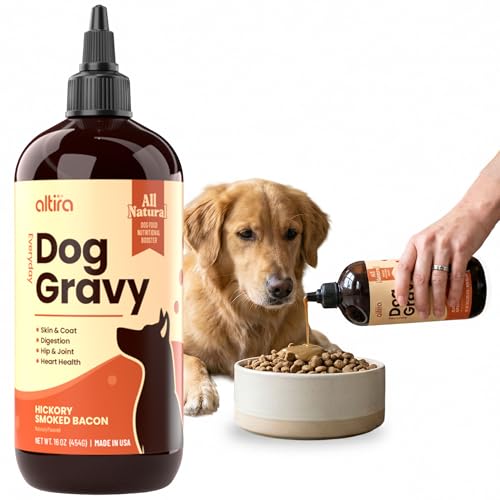
- Add food toppers: A high-quality dog food topper can add flavor and nutrition. Look for ones with real meat or broth.
- Rotate proteins: Some dogs get bored with the same flavor. Rotate between chicken, beef, lamb, and fish, but do it gradually to avoid digestive upset.
8. ❓ Frequently Asked Questions
🌟 Final Thought: A dog that won't eat is trying to tell you something. Listen carefully. Sometimes it's a minor issue that you can solve with a bland diet and patience. Other times, it's a red flag for a serious health problem. When in doubt, trust your gut and call your vet. Your dog's health is worth the phone call.