How to Train a Puppy to Not Cry at Night
The complete guide to stopping nighttime crying, crate training success, and helping your puppy sleep peacefully through the night.
Why Do Puppies Cry at Night?
Understanding why your puppy cries at night is the first step toward solving the problem. Puppies cry for several completely natural reasons, and recognizing these motivations allows you to respond appropriately rather than reacting out of frustration or confusion.
First, understand that your puppy has just been separated from everything they've ever known: their mother, littermates, and the familiar sounds and smells of their birth environment. This separation anxiety is primal and powerful. Your puppy isn't being "bad" or manipulative — they're expressing genuine distress at being alone for the first time in their short life.
Key Insight: Puppies are social creatures by nature. Being left alone at night triggers their survival instincts, making them feel vulnerable and anxious. Your goal is to gradually teach them that being alone is safe, not to punish them for expressing fear.
Additionally, puppies have tiny bladders and limited control over their elimination. A 2-month-old puppy can typically hold their bladder for only 2-3 hours. Nighttime crying is often a genuine signal that they need to go potty. Learning to distinguish between "I'm lonely" whining and "I really need to go out" whining is crucial for successful training.
Other common reasons include being too cold or too hot, hunger, boredom, or discomfort from teething. Some puppies also cry due to medical issues like digestive upset or parasites. If your puppy's crying seems excessive or is accompanied by signs of illness, always consult your veterinarian.
Preparing for the First Night
Success starts before your puppy ever goes to sleep. Proper preparation sets the stage for peaceful nights and reduces crying by 80% or more.
Essential Supplies Checklist
- Dog crate: Choose a size that allows your puppy to stand up, turn around, and lie down — not larger. If the crate is too big, your puppy will use one corner as a bathroom.
- Comfortable bedding: Machine-washable crate mat or pad that fits the crate. Avoid fluffy beds that can be destroyed and ingested.
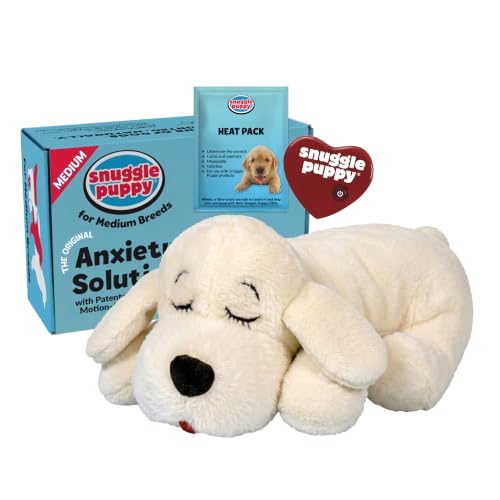
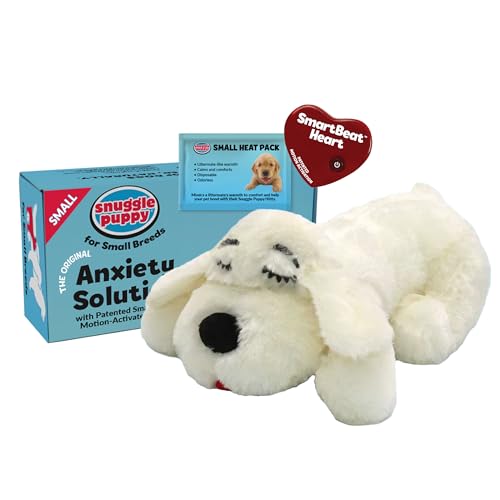
- Heartbeat toy or snuggle puppy: These mimic the warmth and heartbeat of littermates and work surprisingly well.
- Puppy-safe chew toys: Teething relief helps settle anxious puppies. Look for durable rubber toys that can be frozen for extra comfort.
- Puppy pads: Place one outside the crate door for emergency potty breaks, though the goal is to take your puppy outside.
- Quiet alarm clock: Set for your chosen potty break times to avoid accidentally sleeping through them.
Where Should a Puppy Sleep the First Night?
Research and thousands of successful training cases show that the best location for a puppy's crate on the first night is beside your bed. This is not "spoiling" your puppy — it's strategic training that works because:
- You can hear when your puppy needs to go out: A puppy who cries because they need to potty will wake you up, preventing accidents and building good habits.
- Your presence provides comfort: Your scent and sound help your puppy feel secure, reducing anxiety-based crying.
- You can respond quickly: When your puppy cries, you can assess if it's a potty need or just loneliness without delay.
- You can gradually increase distance: Start close, then over days or weeks, move the crate to its permanent location.
Pro Tip: Place the crate on a low table or chair so your puppy can see your face while lying down. This visual connection provides enormous comfort and reduces crying dramatically.
Crate Training Basics
Crate training is the most effective method for teaching a puppy to sleep through the night, but only if done correctly. The crate should be a safe, positive space — never a punishment or prison.
Start crate training during the day, well before bedtime. The goal is to create positive associations with the crate so your puppy willingly enters and relaxes in it. Follow this step-by-step approach:
- Introduce the crate: Keep the door open and place high-value treats inside. Let your puppy explore freely. Toss treats near and then inside the crate to build positive associations.
- Feed meals in the crate: Place your puppy's food bowl at the entrance, then gradually move it further inside. Within a few days, your puppy should happily go into the crate for meals.
- Practice short, calm stays: Once your puppy is comfortable eating in the crate, close the door while they eat. Open it immediately when they finish. Gradually increase the time the door is closed (30 seconds, then 1 minute, then 5 minutes).
- Use high-value treats: Save special treats (like frozen peanut butter Kongs or stinky freeze-dried liver) specifically for crate time. This makes the crate a "special occasion" space.
- Never force: Never push or physically force your puppy into the crate. This creates negative associations. Instead, lure with food and reward calm behavior.
For more in-depth crate training strategies, check out our guide on how to get a puppy to sleep in his crate, which covers advanced techniques for puppies who are especially resistant to crate training.
The Perfect Nighttime Routine
A consistent evening routine signals to your puppy that it's time to wind down and prepare for sleep. Puppies thrive on predictability, and a structured routine reduces anxiety and crying.
Step-by-Step Evening Routine
- Last meal: Feed dinner at least 3 hours before bedtime. This allows time for digestion and elimination before sleep.
- Exercise and play: 30-45 minutes of active play and exercise before the final potty break. This tires your puppy out physically and mentally.
- Final potty break: Take your puppy outside for a calm potty break immediately before crating. Keep this boring — no play, just business. Stay out for 5-10 minutes to ensure they fully empty their bladder.
- Water cutoff: Remove water bowls 1-2 hours before bedtime. Puppies dehydrate quickly, so continue offering water during the day, but limiting before bed reduces night-time potty needs.
- Evening calm time: 15-20 minutes of quiet time with low lights and gentle petting. This helps your puppy's nervous system transition from active to relaxed states.
- Crate time with comfort item: Place your puppy in the crate with a safe chew toy, a piece of clothing that smells like you, and the heartbeat toy if you use one. Say a consistent phrase like "go to sleep" in a calm, soothing voice.
- Cover the crate: A light cover over the crate (leaving the front open for airflow) creates a den-like environment that feels safe and reduces visual stimulation.
Important Note: Your puppy's last potty break should be thorough, not rushed. Many owners make the mistake of bringing the puppy inside after just 2-3 minutes. Wait until your puppy has eliminated, praise calmly, and then go straight to the crate.
What to Do When Your Puppy Cries at Night
Knowing how to respond when your puppy cries is the most critical skill in night-time training. Your response determines whether the crying quickly stops or becomes a prolonged battle of wills.
The 3-5-10 Rule
When your puppy cries, follow this evidence-based response protocol:
- Wait 3 minutes: Give your puppy a brief opportunity to self-soothe. Sometimes they'll cry for a few moments, reposition, and settle. Immediate response can teach them that crying always produces attention.
- Listen for 5 seconds: If crying continues, listen carefully to determine the type of cry. Sharp, insistent whining with movement often indicates a potty need. Bored, monotonous whining may be loneliness.
- Respond by 10 minutes: If your puppy has been crying consistently for 10 minutes, respond with a calm, quiet potty break. Take them directly outside, wait 3-5 minutes for elimination, then return calmly and quietly to the crate with minimal interaction.
How to Respond to Different Types of Crying
Potty Crying
- Sound: Sharp, insistent, often includes movement and pawing at the crate door.
- Response: Take out for a quiet potty break immediately. No play, no petting, no excitement.
- Afterward: Return to crate calmly. Your puppy might still cry briefly from loneliness — use the 3-minute waiting period again.
Loneliness Crying
- Sound: Whimpering, howling, or monotone crying without urgency.
- Response: Use a calming phrase from your bed. If they settle, stay still and quiet. If crying continues after 10 minutes, a brief, calm check-in with reassurance (but not removal from crate) can help.
- Afterward: Return to bed without engaging. Avoid eye contact and speaking loudly.
Golden Rule: Never reward nighttime crying with exciting attention. Your response should be boring, calm, and businesslike. If your puppy learns that crying produces fun playtime, they'll cry more, not less.
If your puppy continues to cry excessively despite following these protocols, consider consulting our comprehensive guide on how to stop puppy from crying when I leave, which addresses separation-related crying patterns in detail.
Nighttime Potty Schedule
Establishing a predictable potty schedule is essential for night-time success. The schedule should be based on your puppy's age and bladder capacity, not arbitrary timing.
Age-Based Nighttime Potty Schedule
A general rule: puppies can hold their bladder for about one hour per month of age, up to a maximum of 8 hours. However, this applies during the day when they're active — at night, they can often hold it longer with proper scheduling.
- 8-10 weeks: Potty break every 2-3 hours. Set an alarm for 2 breaks (midnight and 3am). Your puppy will likely need both.
- 11-14 weeks: Potty break every 3-4 hours. Usually 2 breaks total during an 8-hour night.
- 15-18 weeks: Potty break once during the night. Many puppies can make it 5-6 hours by this age.
- 19-24 weeks: Most puppies can sleep 6-8 hours without a potty break. If your puppy wakes you, take them out, but you can start trusting they'll sleep through.
- 6+ months: Most puppies can sleep through the night consistently. Occasional accidents or wake-ups may still happen during growth spurts.
Important: This is a general guideline. Smaller breeds have smaller bladders and may need more frequent breaks even at older ages. Giant breeds often sleep through earlier due to larger bladders. Observe your individual puppy and adjust accordingly.
For puppies who struggle with consistent potty training, you may find our guide on how to get puppy to sleep through night without peeing helpful for troubleshooting specific challenges.
Common Mistakes to Avoid
Even well-intentioned owners make mistakes that prolong night-time crying. Here are the most common errors and how to fix them:
- Mistake: Ignoring crying entirely. While you shouldn't reward attention-seeking crying, young puppies often genuinely need to potty. Ignoring them leads to accidents in the crate, which sets training back significantly. Use the 3-5-10 approach instead.
- Mistake: Responding too quickly to every sound. Not every squeak or movement requires a response. Give your puppy 2-3 minutes to self-settle before intervening. Puppies naturally move and shift during sleep — they're not always awake or needing attention.
- Mistake: Making potty breaks fun. If you play with your puppy during night-time potty breaks, they'll learn to cry to initiate playtime. Keep all interactions boring, quiet, and business-focused until your puppy is back in the crate.
- Mistake: Using the crate as punishment. Never force your puppy into the crate angrily or use it as a "timeout" for misbehavior. This creates negative associations and makes crying worse.
- Mistake: Inconsistent routine. Puppies need predictability to feel secure. If bedtime varies by 2+ hours or the routine changes randomly, anxiety increases and crying intensifies.
- Mistake: Moving the crate too soon. Some owners move the crate away from their bed after only 1-2 nights. This often triggers regression. Wait at least 2 weeks of consistent night-time success before relocating gradually.
- Mistake: Giving too much water before bed. While puppies need proper hydration, water should be removed 1-2 hours before bedtime to reduce night-time potty trips. Offer plenty of water during the day instead.
If you've been struggling with crate training despite your best efforts, our guide on how to get your puppy to like the crate offers additional strategies to build positive associations.
Tracking Progress & Timeline
Understanding the typical timeline helps manage expectations and keeps you motivated when progress feels slow. Every puppy is unique, but here's what most owners can expect:
Typical Nighttime Training Timeline
- Nights 1-3: The hardest period. Crying is most frequent and intense. Expect multiple potty breaks (every 2-3 hours). Your puppy is adjusting to the new environment.
- Nights 4-7: Crying typically decreases by 40-60%. Potty breaks reduce to 1-2 per night. Your puppy is starting to recognize the routine.
- Weeks 2-3: Crying is minimal. Most crying episodes are genuine potty needs rather than loneliness. Many puppies sleep 5-6 hours straight.
- Weeks 4-6: Most puppies sleep through the night (6-8 hours). Crying is rare and typically only when something is genuinely wrong (illness, discomfort, hunger).
Tracking Tip: Keep a simple sleep log for the first 2 weeks. Note the time your puppy cries, what you did in response, and whether they pottied. This helps you identify patterns (e.g., they always cry at 2am, which means they reliably need a potty break at that time).
When to Expect Regression
Regression is normal and expected. Common regression triggers include:
- Growth spurts: Puppies often need more food and water during growth spurts, leading to more potty breaks.
- Teething pain: Teething peaks around 4-6 months and can disrupt sleep patterns.
- Change in routine: A new schedule, travel, or house guests can trigger anxiety and crying.
- Illness or vaccination: Vaccines can cause mild discomfort and temporary sleep disruption.
During regression periods, temporarily revert to earlier, more supportive practices (e.g., moving the crate closer to your bed, adding an extra potty break) until your puppy re-establishes their routine.
Frequently Asked Questions
Patience and consistency pay off. Every puppy eventually learns to sleep through the night with the right approach. The first few nights can be exhausting, but each week gets better. Trust the process, follow the routine, and know that your puppy's ability to self-soothe and sleep independently is developing — just like your relationship with them. If you're still struggling after 2-3 weeks of consistent effort, consult a professional dog trainer who specializes in positive reinforcement methods.