How to Get Your Puppy to Sleep in His Crate
A peaceful night's sleep starts here. Discover the proven step-by-step method to help your puppy love his crate, stop crying at night, and sleep through until morning.
Bringing home a new puppy is one of life's greatest joys — but the first few nights can be exhausting. The crying, the whining, the pacing… it's enough to make any new puppy parent question their decision. But here's the truth: your puppy isn't being difficult. He's in a new environment, away from his littermates, and he's scared. Crate training is the most effective, humane way to give your puppy a safe space and teach him to sleep through the night.
This guide walks you through every step of the process — from choosing the right crate to dealing with midnight meltdowns. By the time you finish reading, you'll have a clear, actionable plan to get your puppy sleeping soundly in his crate, giving both of you the rest you deserve.
Why Crate Training Matters
Crate training is not about locking your puppy away. It's about giving him a den — a safe, cozy space where he can feel secure. Dogs are naturally den animals, and a crate replicates that instinctual desire for a protected retreat. A well-crate-trained puppy is less likely to develop separation anxiety, destructive behaviors, or house-training issues.
Key Benefit: A crate-trained puppy learns bladder control faster. Because puppies naturally avoid soiling their sleeping area, the crate becomes an effective house-training tool. This means fewer accidents and a cleaner home for you.
If you're still wondering whether crate training is right for you, consider this: the average dog lifespan is 10-13 years, and crate training sets the foundation for a lifetime of good habits. It also makes vet visits, travel, and boarding significantly less stressful for your dog.
Choosing the Right Crate
The size of the crate is critical. Your puppy should be able to stand up, turn around, and lie down comfortably — but no more. Too much space and he'll designate one corner as a bathroom. Too little space and he'll feel trapped and anxious.
- Size guide: Measure your puppy from nose to tail and add 2-4 inches. That's the minimum interior length of the crate. For growing puppies, consider a crate with a divider panel so you can adjust the size as he grows.
- Material options: Wire crates offer the best ventilation and visibility. Plastic crates (like those used for airline travel) provide more privacy and a den-like feel. Soft-sided crates are portable but not suitable for chewers.
Before you buy, read our complete dog crate guide to compare the best options for your puppy's breed and size. A good crate is an investment that will last for years.
Creating Positive Associations
Your puppy needs to see the crate as a happy place, not a punishment. This is the most important phase of crate training, and it requires patience and consistency.
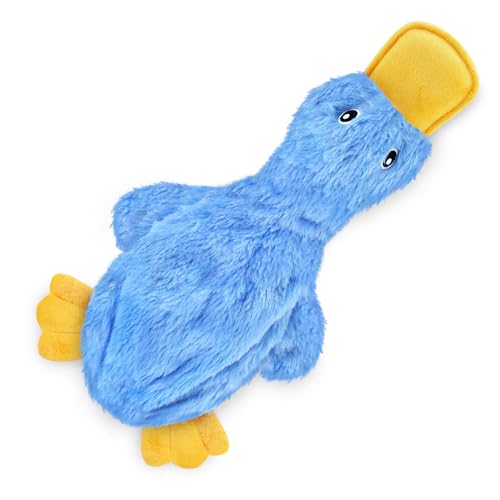
- Make the crate inviting: Place a soft, washable bed or blanket inside. Add a safe chew toy or a puzzle toy stuffed with treats to keep him occupied.
- Feed meals in the crate: Start by placing his food bowl just inside the door. Over the course of a few days, move it further back until he's eating comfortably with his whole body inside.
- Use high-value treats: Every time your puppy voluntarily enters the crate, reward him with a special treat. This creates a powerful positive association.
- Practice short sessions: During the day, encourage your puppy to nap in the crate with the door open. Gradually start closing the door for short periods (5-10 minutes) while you're nearby, and reward calm behavior.
Pro Tip: A calming pheromone diffuser or a snuggle puppy with a heartbeat can work wonders for anxious puppies. These products mimic the comfort of a littermate and reduce stress during the first few nights.
The Bedtime Routine That Works
Consistency is the secret to a puppy who sleeps through the night. Establish a predictable bedtime routine that signals "time to settle down."
Step 1: Final Potty Break
Take your puppy outside for a final potty break 1 hour before bedtime. Make sure he eliminates completely. This reduces the chance of middle-of-the-night accidents.
Step 2: Wind Down
Spend 15-20 minutes in quiet, calm activities. Avoid rough play or overstimulation. A gentle massage or soft brushing works well.
Step 3: Water Management
Remove the water bowl 1-2 hours before bedtime. Your puppy will be fine overnight, and it helps prevent midnight bathroom trips.
Step 4: Crate Time
Place your puppy in the crate with a treat or toy. Use a calm, reassuring voice and a cue like "bedtime." Close the door and cover the crate with a light blanket for added security.
If your puppy wakes up in the middle of the night, take him out for a quiet potty break (no play, no excitement) and then return him to the crate. This teaches him that nighttime is for sleeping, not for play.
Handling Nighttime Crying & Whining
It's almost inevitable — your puppy will cry at some point. How you respond determines whether this phase lasts a few nights or a few weeks.
- Rule out needs first: If your puppy cries, take him out for a quick potty break. If he eliminates, praise him and return him to the crate. If he doesn't, he likely just wants attention.
- Ignore attention-seeking cries: If you know his needs are met, it's okay to ignore the crying. Responding with attention reinforces the behavior. Use earplugs or a white noise machine if you need to.
- Check the environment: Is the room too hot or cold? Is there a draft? Is the crate comfortable? Small adjustments can make a big difference.
- Move the crate: For the first few nights, place the crate next to your bed so your puppy can see and smell you. Gradually move it to its permanent location over the course of a week.
What about crying that lasts all night? If your puppy cries all night, it may be separation anxiety. In that case, consider using a anxiety wrap or consult our guide on how to stop a puppy from crying at night for deeper strategies.
Common Mistakes to Avoid
Even with the best intentions, many new puppy owners make these mistakes. Avoid them and you'll have a much smoother experience.
- Using the crate as punishment: Never send your puppy to the crate as a time-out. This creates negative associations and makes bedtime a source of stress.
- Leaving toys that are dangerous: Only use indestructible toys in the crate. Remove any toys with small parts, strings, or stuffing that could be swallowed.
- Rushing the process: Crate training takes time. Some puppies adjust in a few days, while others need weeks. Be patient and consistent.
- Not taking potty breaks seriously: A middle-of-the-night potty break should be a quiet, business-only trip. No talking, no play, no treats. This keeps nighttime energy low.
- Giving in too early: If you let your puppy out when he cries, you teach him that crying works. Stick to the plan — it will pay off.
If you're struggling with a specific issue, like stopping your puppy from crying in the crate, or helping your puppy like the crate, we have dedicated guides to help you troubleshoot.
Frequently Asked Questions
💤 Tired of Sleepless Nights?
You don't have to do this alone. Our complete crate training toolkit includes a step-by-step schedule, troubleshooting guide, and expert tips to get your puppy sleeping soundly in days — not weeks.
Get the Ultimate Crate Training Guide →With patience, consistency, and a lot of love, your puppy will soon see his crate as the coziest spot in the house. And when that happens, both of you will finally get the restful night you deserve.