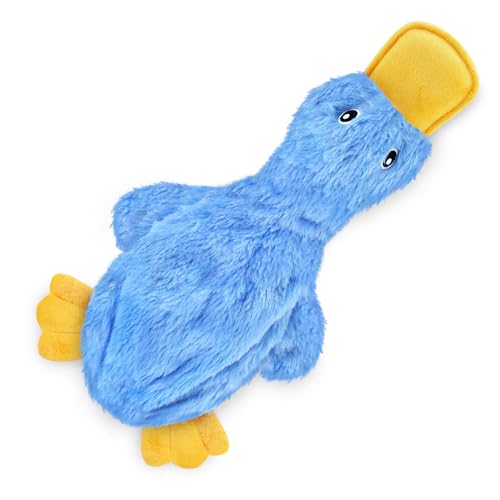
How to Get Puppy to Not Cry in Crate
A complete, compassionate guide to crate training your puppy without the tears. Learn practical steps to help your puppy feel safe and secure in their crate.
Bringing a new puppy home is one of life's most joyful experiences. But it often comes with a challenging soundtrack: the sound of a puppy crying in their crate. If you're searching for how to get a puppy to not cry in a crate, you are not alone. This is one of the most common and stressful hurdles for new puppy parents. The good news is that with patience, consistency, and the right approach, you can teach your puppy to love their crate. This guide provides a humane, step-by-step method to turn the crate into a safe haven, not a source of anxiety.
Before we dive into the solution, it's important to understand why puppies cry. This knowledge is the first step to a successful crate training experience.
Why Puppies Cry in the Crate
Understanding the root cause of your puppy's crying is essential for solving it effectively. Puppies don't cry to be difficult or manipulative; they are communicating a need or a feeling of distress. It's a natural and instinctive behavior for a young puppy who has recently been separated from their mother and littermates.
Common Reasons for Crying
- They need to go to the bathroom. Puppies have tiny bladders and cannot hold it for long. This is the most common reason for crying, especially at night.
- They are lonely and scared. Being alone in a new environment is frightening. They are used to the warmth and comfort of their mother and siblings.
- They have excess energy. A puppy that hasn't had enough physical or mental stimulation will be restless and may cry out of frustration.
- They are hungry or thirsty. While less common during sleep, a puppy might cry if their feeding schedule is off or they are unwell.
- They have a negative association with the crate. If the crate was introduced too quickly or used for punishment, they may see it as a place of confinement, not comfort.
Key Insight: Never punish your puppy for crying. Punishment will only increase their fear and anxiety, making the crate a negative place. Instead, listen to your puppy and try to understand what they are communicating. A calm and empathetic approach is always more effective.
Preparing for Crate Training
A successful crate training journey begins long before you close the door. Preparation is key to helping your puppy feel safe and secure. Choosing the right supplies and setting up a positive environment will make the process smoother for both of you.
Selecting the Right Crate
The crate should be just large enough for your puppy to stand up, turn around, and lie down comfortably. If the crate is too big, they might use one corner as a bathroom. For growing puppies, consider a crate with a divider so you can adjust the space as they grow. The crate should be a cozy den, not a cavernous space.
For guidance on choosing a crate, check our comprehensive puppy supplies checklist.
Making the Crate Inviting
Your puppy should view the crate as their special place. Add soft, washable bedding, like a crate mat or a piece of your clothing that smells like you to provide comfort. Leave the door open and let your puppy explore the crate on their own terms. Toss treats and toys inside to create positive associations. A fun, interactive toy like a puzzle toy can keep them occupied. You can also cover the crate with a light blanket to make it feel like a dark, safe den, but ensure good airflow.
Step-by-Step Crate Training Process
Crate training is a gradual process. Rushing it will lead to setbacks. Follow these steps to build a positive, lasting relationship between your puppy and their crate. This process is the most effective way to get your puppy to sleep in his crate.
- Introduce the Crate as a Positive Place. Place the crate in a busy area of your home (like the living room) so your puppy doesn't feel isolated. Leave the door open and let your puppy explore at their own pace. Toss high-value treats inside and praise them whenever they go near it. The goal is for them to willingly enter the crate.
- Start with Short, Supervised Sessions. Once your puppy is comfortable going into the crate, start closing the door for very short periods while you are still present. Give them a tasty chew toy or a stuffed Kong. After a minute or two, open the door without fanfare. Gradually increase the time you leave the door closed. The key is to prevent crying from the start by not leaving them in there too long.
- Practice Leaving the Room. Once they are comfortable with the door closed for 5-10 minutes, begin to leave the room for short intervals. Return before they start to cry and reward them for being quiet. This teaches them that you will come back.
- Feed Your Puppy in the Crate. This is a powerful way to build a positive association. Start by placing the food bowl near the crate, then gradually move it inside. Once your puppy is eating happily inside, you can close the door while they eat and open it as soon as they finish.
- Extend Crate Time for Naps. Encourage your puppy to nap in the crate. Once they fall asleep, you can gently close the door. They are more likely to accept the crate when they are already sleepy. This helps them learn that the crate is a place to rest.
Pro-Tip: A tired puppy is a quiet puppy! Before any crate session, ensure your puppy has had a good play session and a potty break. A long walk or a game of fetch can make a significant difference. For more on this, see our guide on puppy exercise needs.
Handling Nighttime Crying
Nighttime is often the most challenging time for crate training. It's when your puppy is most likely to cry and when you are most tempted to give in. Handling this properly will set the tone for the entire training process.
A Sample Nighttime Routine
- Establish a calm, predictable bedtime routine. This might include a final potty break, a relaxing cuddle, and then putting them in the crate. A consistent routine tells your puppy that it's time to sleep.
- Place the crate near your bed. For the first few weeks, keep the crate within earshot. This allows you to hear if they need to go out and also lets them know you are close by, which can be very reassuring. You can gradually move the crate to its permanent location.
- Set a midnight potty alarm. Young puppies have small bladders. Set an alarm to take them out for a quick, boring potty break once or twice during the night. No play, no fuss—just business. This preemptively addresses the most common cause of nighttime crying.
- Respond to crying calmly. If your puppy cries, wait for a brief pause before responding. This teaches them that crying won't immediately open the door. Then, take them out for a potty break. If they go, praise them quietly and return them to the crate. If they don't go, you can put them back and reassure them with a quiet voice.
Common Mistakes to Avoid
Knowing what not to do is just as important as knowing what to do. Avoiding these common pitfalls will save you and your puppy a lot of stress.
- Leaving the puppy in the crate for too long. A puppy under six months should not be crated for more than 3-4 hours during the day. As a rule, they can hold their bladder for roughly one hour per month of age, up to about 8 hours.
- Using the crate as a punishment. This creates a negative association. The crate should always be a happy, safe place.
- Giving in to crying by letting them out. If you let a crying puppy out, you are teaching them that crying works. Wait for a moment of silence, even if it's just a few seconds, before opening the door.
- Not making the crate comfortable. A hard, cold floor is not inviting. Make sure the crate is cozy and den-like.
- Ignoring genuine needs. If your puppy is crying because they need to potty, ignoring them will lead to an accident and distress. Always address the need first.
Tips for Long-Term Success
Crate training is an investment in your puppy's future. A crate-trained dog is easier to travel with, safer in stressful situations, and typically has better house-training habits. Here are some final tips to ensure your success.
- Be consistent. Everyone in the household should follow the same rules and routines. Inconsistency is confusing for a puppy.
- Patience is paramount. Some puppies take longer to adjust than others. Celebrate small victories and be patient. It's a learning process for both of you.
- Keep the crate in a central, social area. This prevents your puppy from feeling isolated. They are part of the family pack.
- Use the crate for positive experiences. Give your puppy their favorite treats and toys only in the crate. This makes it a place they associate with good things.
- Know when to take a step back. If your puppy is showing signs of extreme stress, you might be moving too fast. Go back a step and progress more slowly.
Remember, the crate is not a magic solution, but a tool. It is a safe space for your puppy to decompress and rest. With patience and a positive approach, you can get a puppy to sleep in his crate peacefully and give them a lifetime of confidence and security. If you are struggling with persistent crying, consider consulting a professional, as outlined in our guide on when to see a behaviorist. Your dedication today will create a well-adjusted and happy companion for years to come.
Frequently Asked Questions
Ready for a Peaceful Night's Sleep?
Remember, every puppy is unique. Some may take to crate training in a few days, while others might need a few weeks. The most important ingredient is your consistent, patient, and loving approach. You are not just teaching your puppy to sleep in a crate; you are building a foundation of trust and security. Equip yourself with the right supplies and follow the steps in this guide. With time and dedication, the crying will stop, and you'll both enjoy the rest you deserve. Your hard work today will lead to a lifetime of happiness with your new best friend.