How to Get a Puppy to Stop Crying at Night
Discover proven methods to help your puppy sleep peacefully through the night. This comprehensive guide covers crate training, bedtime routines, and expert techniques for a restful home.
Bringing a new puppy home is an exciting experience—until the first night arrives. That high-pitched, heart-wrenching cry coming from the crate can test even the most patient dog owner. But here's the good news: with the right approach, most puppies can learn to sleep through the night within one to two weeks.
This guide provides a step-by-step plan based on positive reinforcement techniques and canine behavior science. Whether you're dealing with a puppy who won't settle in the crate or a puppy who needs nighttime potty breaks, you'll find practical solutions here.
Why Puppies Cry at Night
Before you can solve the problem, you need to understand the root causes. Puppies cry at night for several reasons—most of which are normal and temporary:
- Separation from littermates: For the first 8+ weeks of life, puppies sleep piled together with their mother and siblings. Being alone is unfamiliar and frightening.
- Need to eliminate: Young puppies have tiny bladders and may need to go out 1-3 times per night.
- Hunger or thirst: Puppies are growing rapidly and may genuinely need a midnight snack.
- Discomfort: The crate may be too hot, too cold, or positioned in a drafty area.
- Anxiety and fear: Everything is new—the smells, sounds, sights, and the absence of their mother.
- Lack of structure: Without a consistent bedtime routine, puppies don't know what's expected of them.
- Under-exercise: A puppy who hasn't had enough physical and mental stimulation during the day won't be tired enough to sleep.
- Medical issues: In rare cases, persistent crying can indicate illness, parasites, or digestive upset.
Key Insight: The vast majority of nighttime crying is NOT about defiance or manipulation. It's about genuine need, anxiety, or instinct. Understanding this helps you approach the problem with empathy rather than frustration.
Preparing for the First Night
The first night sets the tone for the weeks ahead. Proper preparation can prevent many of the common problems that new puppy owners face. Here's what you need to do before bedtime:
- Choose the right location for the crate: For the first week, place the crate in your bedroom or within earshot. Most puppies feel more secure knowing you're nearby. This also lets you hear when they need to go out.
- Make the crate comfortable: Add a soft bed, a blanket with the mother's scent (if available), and a safe chew toy. Cover the crate with a lightweight blanket on three sides to create a den-like environment.
- Exercise your puppy thoroughly: A tired puppy is a calm puppy. Take them for a short walk, engage in play sessions, and provide puzzle toys throughout the evening to tire them mentally.
- Limit food and water before bedtime: Remove food and restrict water about 2 hours before bed to reduce nighttime potty needs. However, puppies under 12 weeks may still need a water break if they're thirsty.
- Prepare your nighttime setup: Have your puppy's potty pads or a designated outdoor spot ready. Keep a small bag of treats near the crate for rewards during nighttime potty breaks.
Pro Tip: If possible, take the first few days off work. The adjustment period is easier when you can nap during the day and be fully present for training. You'll also be less stressed if you lose some sleep—which you probably will.
The Ideal Bedtime Routine
A consistent, predictable bedtime routine tells your puppy that it's time to wind down. Puppies thrive on routine—it reduces anxiety and makes them feel safe. Here's a step-by-step routine to implement every night:
- Step 1 – Final potty break (9:00-9:30 PM): Take your puppy outside to their designated potty spot. Wait in silence for 5-10 minutes. If they go, reward with a treat and gentle praise. If not, bring them back inside and try again in 15 minutes.
- Step 2 – Calm play or cuddle time (9:30-10:00 PM): Spend quiet time together—gentle petting, soft talking, or a calm chew session. Avoid active play that might overstimulate them. You want to lower their excitement level.
- Step 3 – Final potty break (10:00-10:15 PM): One more trip to the potty spot. Be consistent—use the same spot and give the same verbal cue (like "go potty"). Reward immediately when they go.
- Step 4 – Crate time with comfort items (10:15 PM): Gently guide your puppy into the crate. Include a safe chew toy, a piece of your clothing (worn) for comfort, and a pheromone diffuser if you have one.
- Step 5 – Settle and soothe (10:20 PM): Stay by the crate for a few minutes. Use a calm, reassuring voice. If they're quiet, reward with a small treat. Then say your bedtime cue phrase like "settle down" or "good night."
- Step 6 – Leave the room: Walk away quietly. If your puppy is in your bedroom, just get into bed. If the crate is in another room, walk out calmly without making a big fuss.
The Cry Interval Method
When your puppy starts crying, your response matters. The Cry Interval Method is a balanced approach that teaches your puppy to self-soothe while ensuring their genuine needs are met. Here's how it works:
| Night | Initial Wait | Second Wait | Third Wait | Response Action |
|---|---|---|---|---|
| Nights 1-2 | 1 minute | 3 minutes | 5 minutes | Quick check (potty, comfort) if crying persists |
| Nights 3-4 | 3 minutes | 5 minutes | 8 minutes | Potty break if needed, then return to crate |
| Nights 5-7 | 5 minutes | 8 minutes | 12 minutes | Quiet reassurance, no picking up |
| Week 2+ | 8 minutes | 12 minutes | 15 minutes | Ignore unless it's a true emergency |
Important: The Cry Interval Method is NOT about ignoring your puppy. It's about teaching them that you're reliable and will respond to genuine needs, but not every whimper requires immediate attention. This builds confidence and independence.
Step-by-step instructions for using the Cry Interval Method:
- Step 1 – Listen and identify: Pay attention to the type of crying. Soft whining is usually settling behavior. Sharp, urgent barking often indicates a genuine need.
- Step 2 – Wait the interval: Wait the designated time based on the chart above. This gives your puppy a chance to self-soothe.
- Step 3 – Check with minimal interaction: If crying persists, go to the crate but keep interactions calm and brief. Speak softly. Take them out for a quick potty break if needed.
- Step 4 – No playtime: Nighttime interactions are strictly business—no play, no extra cuddling. This teaches that night is for sleeping.
- Step 5 – Return to crate: After a potty break, return your puppy to the crate with a small treat and your calming cue phrase. Repeat the waiting process.
Crate Training Fundamentals
Crate training is the most effective method for teaching your puppy to sleep through the night. When done correctly, the crate becomes their safe haven—not a punishment. Here are the essential principles:
- Choose the right size: The crate should be large enough for your puppy to stand up, turn around, and lie down comfortably—but not so large that they'll soil one corner and sleep in another. Use a divider to adjust as they grow.
- Make it positive: Never force your puppy into the crate. Instead, lure them in with treats and toys. Feed them meals inside the crate with the door open so they associate it with good things.
- Start with short periods: Begin with 5-10 minute crate sessions during the day while you're home. Gradually increase the duration before leaving the room.
- Never use the crate as punishment: The crate should always feel safe and neutral. Never send your puppy to the crate when they've done something wrong.
- Be consistent: Use the same crate, the same bedding, and the same location every night. Familiarity reduces anxiety.
- Practice during the day: Short daytime crate sessions help your puppy become comfortable with the crate long before bedtime arrives.
If you're struggling with crate training, check out our detailed guides on how to get a puppy to sleep in a crate and how to get your puppy to like the crate.
Nighttime Potty Breaks
Young puppies cannot physically hold their bladders all night. Most puppies under 12 weeks need at least one nighttime potty break. Here's how to manage those breaks without turning them into a big production:
- Set a schedule: Puppies typically need to go out every 2-4 hours at night. Set an alarm rather than waiting for crying. This way, you're proactive instead of reactive.
- Keep it boring: When you take your puppy out at night, be business-like. No play, no petting, no feeding. Just out, potty, reward, back in. This reinforces that night is for sleeping.
- Use a leash: Take your puppy to their potty spot on a leash. This prevents wandering and keeps the focus on elimination.
- Time your water intake: As mentioned earlier, restrict water about 2 hours before bedtime to reduce bladder pressure.
- Gradually extend the time: As your puppy grows, increase the time between potty breaks. Add 15-30 minutes per week to help their bladder capacity develop.
- Learn their potty signals: Every puppy has a "potty dance." Learn what your puppy does when they need to go (pacing, sniffing, circling) so you can respond before accidents happen.
Important: Puppies under 8 weeks may need potty breaks every 2 hours. Puppies 8-12 weeks need about 3 hours. Puppies 12-16 weeks can usually hold it 4-5 hours. By 6 months, most puppies can sleep through the night without a potty break.
Comfort Items That Work
Sometimes, a little comfort goes a long way in helping a puppy feel safe and secure during their first nights away from their mother. Here are the most effective comfort items:
- A worn t-shirt: A piece of clothing that smells like you provides comfort and reassurance. Sleep with a t-shirt for a few nights, then place it in the crate. This is one of the most effective tricks.
- A heat source: A warm water bottle wrapped in a towel mimics the warmth of littermates. Use with caution to avoid burns—never make it too hot.
- Safe chew toys: A safe chew toy like a Kong stuffed with peanut butter (dog-safe, xylitol-free) provides entertainment and comfort. Remember to freeze it for longer-lasting interest.
- Pheromone products: Canine appeasing pheromone (CAP) diffusers or sprays, like pheromone diffusers, release calming signals that reduce anxiety.
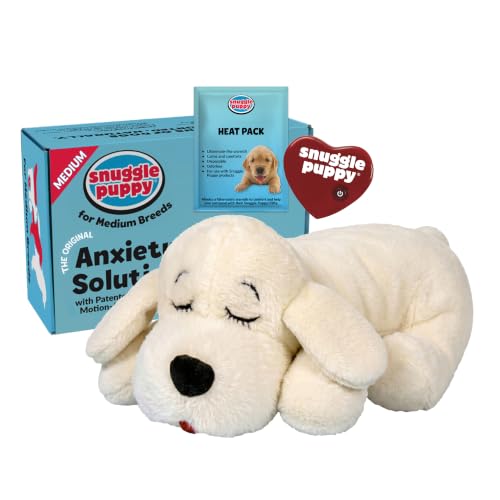
- A ticking clock or heartbeat toy: A calming toy that mimics a heartbeat can be incredibly soothing for young puppies. It reminds them of sleeping next to their mother.
- Soft bedding: A soft, washable bed provides physical comfort. Choose one that's easy to clean in case of accidents.
- Covered crate: Covering three sides of the crate creates a den-like environment. Use a breathable fabric like a thin towel or a dedicated crate cover.
What NOT to Do
Avoiding common mistakes will save you weeks of frustration and help your puppy learn faster. Here are the most critical "what not to do" guidelines:
- Don't punish the crying: Never yell at, hit, or spray your puppy for crying. This creates fear and anxiety, making the crying worse and damaging your relationship.
- Don't let them "cry it out" endlessly: While it's okay to use cry intervals, letting a puppy cry for hours is stressful and counterproductive. It also creates negative associations with the crate.
- Don't pick them up immediately: When you check on your puppy, wait until there's a break in the crying. Picking them up while they're crying rewards the behavior.
- Don't give them too much freedom too soon: Your puppy should be confined to their crate at night until they're fully house-trained. Giving them free roam often leads to nighttime accidents.
- Don't play at night: Nighttime is for sleeping. If you play with your puppy during a late-night potty break, they'll think it's playtime and have trouble settling down again.
- Don't give in to "just one more" cuddle session: Consistency is everything. Once you've done your bedtime routine, it's time to sleep. Leaving the crate after putting them in teaches them that crying earns your attention.
- Don't change the routine: If something is working, stick with it. Puppies thrive on predictable routines. Changing it up because you're tired or frustrated can confuse them.
Sleep Training Timeline
Every puppy is different, but here's a realistic timeline of what you can expect during the sleep training process:
- Night 1-2: Expect the most crying. Your puppy is in a new environment and feels insecure. Expect to get up 2-3 times for potty breaks. The crying in the crate may be intense but will gradually subside.
- Night 3-4: Crying begins to subside. Your puppy is starting to learn the routine. Potty breaks may reduce to 1-2 times.
- Night 5-7: Most puppies begin to settle within 5-10 minutes of crate time. Potty breaks reduce to 0-1 times. You'll likely see the puppy sleeping through the night without peeing for the first time.
- Week 2: Crying duration has significantly decreased. Most puppies can sleep through the night (6-8 hours) without a potty break. Occasional whining may still happen, but it's usually short-lived.
- Week 3-4: Sleep is now well-established. Your puppy may still occasionally wake up due to external factors (noises, bad dreams), but they can usually settle themselves back to sleep.
- Month 2 and beyond: Your puppy is now fully accustomed to the nighttime routine. Sleep is uninterrupted, and the crate is a comfortable, safe space.
Remember: This timeline is a general guide. Some puppies learn faster, others need more time. Patience and consistency are your most important tools. If you feel like you're stuck, consider reading our how to stop crying in the kennel guide for additional strategies.
Frequently Asked Questions
You've Got This!
Getting a puppy to stop crying at night is a process that requires patience, consistency, and empathy. The first week is the hardest—but it gets better. By following the guidance in this article, you're giving your puppy the structure and comfort they need to thrive. Remember, this phase is temporary. In just a few weeks, you'll be looking back at these sleepless nights as a small price to pay for a lifetime of companionship.
Continue Your Learning Journey
If you found this guide helpful, you might also want to read our articles on how to get a puppy to sleep in a crate, how to stop a puppy from crying in the crate, and how to get a puppy to sleep through the night without peeing. For other puppy challenges, explore our puppy guide section.