How to Train Your Dog to Come in the House
A step-by-step guide to building a reliable recall inside your home — so your dog comes every time you call, no matter what's happening around them.
Let's be honest: A dog that ignores you indoors is frustrating and unsafe. Whether you're trying to get them out of the kitchen, away from a dangerous object, or simply need them to come for a cuddle, a reliable recall is one of the most important skills your dog can have.
The good news: any dog can learn to come when called inside the house — regardless of age, breed, or previous training. This guide gives you a clear, science-backed method that works.
Why the "Come" Command Fails Indoors
Before fixing the problem, we need to understand it. Most dogs don't ignore you because they're stubborn or dominant — they ignore you because:
- The command has been "poisoned." If you've ever called your dog and then punished them (for coming slowly, for having done something wrong earlier, or to end fun time), they've learned that coming to you leads to bad things. This is the #1 reason recalls fail.
- There's no incentive to come. If coming means leaving a comfortable spot, ending play, or getting a boring treat, why would they come? The reward must be better than what they're currently doing.
- The command is unclear. You might be using different words, inconsistent tone, or your dog simply hasn't had enough practice to understand what you want.
- Distractions are too high. Inside the house, there are plenty of interesting things — other pets, people, food on the counter, open doors. Your dog needs practice with these present before they can reliably respond.
Good news: All of these issues are fixable. The method below addresses each one, rebuilding your recall from the ground up with positive reinforcement and clear communication.
Before You Start: Essential Setup
A few minutes of preparation dramatically increases your success rate. Here's what you need:
High-Value Treats
These are not the treats your dog gets every day. Think boiled chicken, cheese cubes, freeze-dried liver, or hot dog pieces. These should be used exclusively for recall practice. Small, pea-sized pieces work best.
A Consistent Cue
Choose one word — "come," "here," or any word you prefer — and commit to it forever. Consistency is the name of the game.
A Long Leash (Optional)
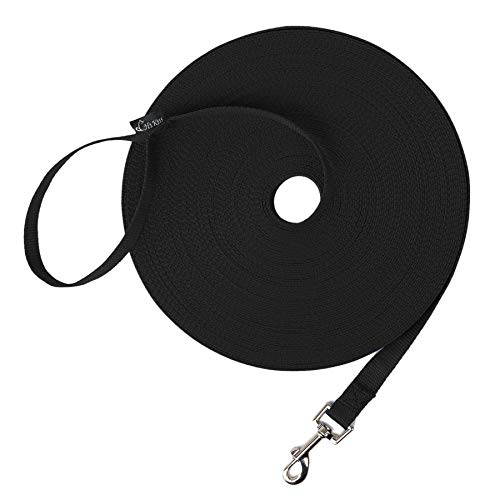
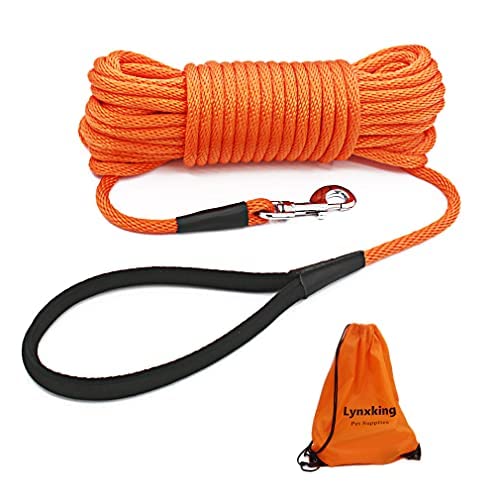
If your dog has a history of ignoring you, start with a light long leash (10-15 feet) so you can gently guide them if they don't respond. Never yank or punish — just use it as a gentle reminder.
A Quiet Space
Start in a room with few distractions. It could be your living room with the TV off. As your dog improves, you'll practice in more exciting areas.
Step 1: Foundation of a Positive Recall
This is where we rebuild the meaning of the "come" command from scratch. Never call your dog for something they won't like during this phase.
- Start within arm's reach: Stand near your dog, say their name and your cue word ("Fido, come!"), and immediately give them a treat. They don't have to do anything yet — you're just teaching them that your cue word predicts a great reward.
- Repeat 10-15 times: Do this in one short session (2-3 minutes). Your dog will start looking at you excitedly when they hear the cue.
- Add a tiny distance: Take one step away from your dog, say your cue, and when they turn toward you or walk to you, reward with three treats in a row — making coming to you a jackpot.
- Use an excited tone: Make your voice high-pitched and happy. Dogs respond to tone as much as words.
- End on a high note: Always stop the session while your dog is still engaged and successful. Don't push until they fail.
Pro tip: Practice this 3-4 times per day, with each session lasting 2-3 minutes. Short, frequent sessions are far more effective than one long session.
Step 2: Adding Distance and Distractions
Once your dog reliably comes from a few feet away, slowly increase the difficulty. This must be gradual to prevent failure.
- Increase distance slowly: Move 5 feet away, then 10 feet, then across the room. Each time, reward heavily. If your dog fails, you've increased too quickly — go back a step.
- Add mild distractions: Have someone walk past while you call. Have the TV on. Open a door. Practice while your dog is sniffing the floor. Start with low-value distractions and work up.
- Use the element of surprise: Call your dog when they're not looking at you. This builds the habit of responding immediately, not waiting to see if you're holding a treat.
- Remember the jackpot: For especially challenging situations, use a sudden rush of 5-10 treats — this creates a powerful memory.
Step 3: Generalizing to Different Rooms
Dogs don't naturally understand that "come" means the same thing in every room. You need to teach them that the command works everywhere in the house.
- Practice in every room: Start each room from scratch at first — 3-5 feet away, then build distance gradually. Some rooms (like the kitchen with food smells) will be harder than others.
- Try different floor types: Practice on carpet, tile, and wood. Some dogs have preferences that affect their comfort.
- Use different positions: Call from standing, sitting, and lying down. Your dog should respond regardless of how you're positioned.
- Vary your location: Call from different spots in each room — near the window, near the door, in the corner. Your dog should learn that the cue works anywhere.
Step 4: Proofing in Real-Life Situations
Now we train in situations that actually happen in real life. This is where the recall becomes truly reliable.
- Call away from food: Place a low-value treat on the floor. Call your dog. Reward with something better than what's on the floor. Gradually use higher-value distractions.
- Call from the yard: Once your dog reliably comes indoors, practice with the door open — call them from inside while they're in the yard. Then call them from the yard to the house.
- Call away from other dogs: If you have other pets, practice recalling your dog away from them. Start when the other dog isn't engaging, then escalate.
- Call during play: Call your dog mid-play, reward, then release them back to play. This teaches them that coming doesn't mean fun ends.
- Call when they're resting: Practice recall when your dog is comfortable and sleepy — this is the most challenging scenario.
Important: If your dog fails at any point during proofing, you've moved too fast. Go back to a simpler situation and practice more before trying again. Building foundational skills in a controlled environment is essential before moving to harder distractions.
Common Mistakes That Ruin Recall
These mistakes will destroy your recall progress
- Calling when you're angry: If you're frustrated, don't call. Your tone will be negative, and your dog will learn to avoid you.
- Using the cue for unpleasant things: Never call your dog and then do something they dislike (bath, nail trim, ending play, going to crate). If you need them for those things, go get them physically instead.
- Repeating the cue: Say it once. If your dog doesn't respond, don't say it again — you're teaching them to ignore the first call. Instead, make a noise or move to get their attention.
- Not rewarding every time: During training, every successful come should be rewarded. Even if you think "they should just do it," a reward reinforces the habit.
- Chasing your dog: If your dog doesn't come and you chase them, you've turned it into a game. Stay calm and make yourself more interesting.
- Skipping practice: A recall is a skill that needs ongoing maintenance. Even after your dog is reliable, practice occasionally to keep it sharp.
Pro Tips for Long-Term Success
What the best trainers do differently
- Make coming fun: Sometimes reward with a game of tug or a short chase rather than treats. Variety keeps it exciting.
- Use a release cue: After your dog comes and gets their reward, say "okay!" or "free!" to release them. This makes coming a positive interaction, not just a "get here and stay here" event.
- Practice when you don't need them: Don't only call when you need something. Practice random recalls throughout the day when nothing else is happening.
- Reward the turn: Even if your dog turns toward you but doesn't come, reward that. It's the beginning of the behavior and should be encouraged.
- Keep sessions short: 2-3 minutes, 3-4 times per day. This is the sweet spot for maximum learning.
- Use a consistent hand signal: Along with your verbal cue, use a distinct hand gesture (like patting your leg). This helps in noisy situations or with older dogs.
Frequently Asked Questions
Remember: A reliable recall is a gift to both you and your dog.
It keeps them safe, gives you confidence, and strengthens your bond. With patience, consistency, and the right rewards, any dog can learn to come when called inside the house. Start today — even 2 minutes of practice will start building the habit you need.
Ready to expand your training? Check out our loose leash walking guide or learn how to prevent accidents inside while you work on recall.