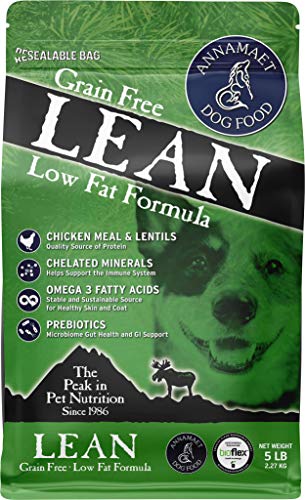
Low Fat Dog Food for Dogs with Pancreatitis
Your complete guide to understanding prescription diets, fat percentages, and feeding strategies that protect your dog's pancreas and prevent painful flare-ups.
If your dog has been diagnosed with pancreatitis, you have likely received a crash course in canine nutrition — specifically, the critical importance of fat restriction. Pancreatitis is inflammation of the pancreas, an organ responsible for producing digestive enzymes and insulin. When triggered, it causes severe abdominal pain, vomiting, lethargy, and loss of appetite. For many dogs, the trigger is dietary fat.
The good news is that pancreatitis is manageable with the right diet. The challenging part is navigating the overwhelming options, misleading labels, and conflicting advice about what "low fat" actually means. This guide cuts through the confusion so you can make confident, informed decisions about your dog's food — whether you are managing an acute episode or preventing recurrence in a dog with chronic digestive sensitivities.
Understanding Pancreatitis in Dogs
The pancreas sits near the small intestine and performs two critical jobs: producing enzymes that break down fats, proteins, and carbohydrates, and producing insulin to regulate blood sugar. When the pancreas becomes inflamed, those digestive enzymes activate prematurely — inside the organ itself — causing damage and triggering a cascade of inflammation.
Veterinarians classify pancreatitis in two ways. Acute pancreatitis is a sudden, severe episode that can be life-threatening if not treated promptly. Chronic pancreatitis involves repeated low-grade inflammation that may go unnoticed until significant damage has occurred. About two-thirds of canine pancreatitis cases are chronic, meaning dogs are prone to repeat episodes — especially if dietary fat is not strictly controlled [citation:6].
Why Fat Matters So Much:
Dietary fat is the most potent stimulator of pancreatic enzyme secretion. When a dog with a compromised pancreas eats a high-fat meal, the organ is forced into overdrive, triggering inflammation and pain. This is why veterinary nutritionists emphasize fat restriction as the cornerstone of pancreatitis management — and why a single fatty treat can undo weeks of careful feeding.
Common triggers include eating high-fat table scraps, sudden diet changes, certain medications, and underlying conditions like obesity or diabetes. Some breeds — including Miniature Schnauzers, Yorkshire Terriers, and Cocker Spaniels — carry higher genetic risk. If you are considering a breed with known health predispositions, our guide to healthiest dog breeds can help you understand genetic risk factors.
How Low Should Fat Levels Go?
There is no single "correct" fat percentage for every dog with pancreatitis. The appropriate level depends on the severity of the condition, whether the dog is in recovery or maintenance, and individual tolerance. However, veterinarians generally use the following guidelines:
- Acute recovery: Ultra-low fat, typically under 5-7% on a dry matter basis. Some veterinary recipes go as low as 1-4% crude fat as fed during the initial recovery period [citation:1][citation:5].
- Chronic maintenance: Generally 7-12% fat on a dry matter basis. Prescription gastrointestinal diets typically fall in this range [citation:3][citation:10].
- Mild or single-episode cases: Some veterinarians may allow a gradual transition to a moderate-fat diet (12-15%) after several months of stability, but this must be done under supervision.
Critical distinction: "Crude fat" on a guaranteed analysis is measured "as fed," which includes moisture. "Fat on a dry matter basis" removes moisture from the equation, making it the accurate number for comparing foods with different moisture levels. A canned food showing 5% crude fat may actually be 20% fat on a dry matter basis — far too high for a pancreatitis dog. Always calculate dry matter values before comparing.
How to Calculate Dry Matter Fat: Divide the crude fat percentage by the dry matter percentage (100 minus moisture percentage), then multiply by 100. Example: A food with 8% crude fat and 75% moisture contains 25% dry matter. 8 ÷ 25 × 100 = 32% fat on a dry matter basis — dangerously high despite the low "as fed" number.
Prescription vs Over-the-Counter Diets
When your veterinarian recommends a low-fat diet, you will typically encounter two categories: prescription veterinary diets and over-the-counter "low fat" or "weight management" foods.
Prescription Veterinary Diets
These are formulated specifically for medical conditions and are sold through veterinarians or with veterinary authorization. They offer several advantages: guaranteed fat levels that are consistent batch to batch, complete and balanced nutrition validated through feeding trials, and ingredients selected for easy digestibility. Major brands include Royal Canin Gastrointestinal Low Fat, Hill's Prescription Diet i/d Low Fat, and Purina Pro Plan Veterinary Diets EN Gastroenteric Low Fat.
Royal Canin's gastrointestinal low-fat formulas, for example, contain approximately 7% fat in dry food and 2-3% in wet food, with highly digestible proteins and prebiotics to support gut health [citation:3]. These diets are specifically designed to reduce strain on the pancreas while providing essential nutrition.
Over-the-Counter Low-Fat Foods
Some commercial "weight management" or "healthy weight" foods advertise lower fat content, but they are not formulated for medical fat restriction. A food marketed for weight loss might contain 10-12% fat — acceptable for a healthy overweight dog but potentially too high for a pancreatitis patient. Over-the-counter options can work for mild cases under veterinary supervision, but they lack the consistency and medical formulation of prescription diets.
If your dog has other concurrent conditions — such as kidney disease or food allergies — a prescription diet that addresses multiple needs may be necessary. Your veterinarian can recommend a formula that balances all dietary requirements.
Comparing Low-Fat Diet Options
The table below compares common categories of low-fat diets for pancreatitis management. Note that specific fat percentages vary by formula and manufacturer — always verify the guaranteed analysis on the actual product you are considering.
| Diet Type | Typical Fat Range (Dry Matter) | Best For | Vet Authorization | Quality Tier |
|---|---|---|---|---|
| Veterinary Ultra-Low-Fat (e.g., hepatic support formulas) | 1-4% | Severe cases, acute recovery | Required | Premium clinical |
| Veterinary Gastrointestinal Low-Fat (dry) | 6-8% | Chronic management, moderate cases | Required | Premium clinical |
| Veterinary Gastrointestinal Low-Fat (wet) | 2-4% | Picky eaters, hydration support | Required | Premium clinical |
| Over-the-counter weight management | 8-12% | Mild cases, weight control | Not required | Mid-range |
| Homemade (vet nutritionist formulated) | Varies (typically 5-10%) | Dogs with multiple sensitivities | Consultation required | Custom |
Ultra-Low-Fat Clinical Diets
Formulas designed for severe fat restriction, often used during recovery from acute pancreatitis or for dogs with concurrent liver conditions. These diets may have fat as low as 1-4% and require close veterinary supervision to ensure adequate calorie intake.
Premium clinical tierStandard Gastrointestinal Low-Fat Diets
The most commonly prescribed category for chronic pancreatitis management. These diets balance fat restriction (typically 6-8%) with highly digestible proteins, prebiotics, and omega-3 fatty acids to support digestive health and reduce inflammation.
Premium clinical tierWet/Canned Low-Fat Options
Useful for dogs who struggle with dry kibble or need extra hydration. Wet foods can achieve very low fat percentages (2-4%) and are often more palatable for dogs recovering from illness. Mixing a small amount of wet with dry can improve acceptance.
Premium clinical tierOver-the-Counter Weight Management
A budget-friendly option for mild cases or dogs transitioning off prescription diets. Fat levels are typically higher than clinical diets and consistency varies. Best used only with explicit veterinary approval for dogs with stable, mild disease.
Mid-range tierFeeding Strategies During Recovery
How you feed is almost as important as what you feed. During an acute pancreatitis episode, the pancreas needs rest. Your veterinarian may recommend withholding food for 24-48 hours (with IV fluids for hydration) before gradually reintroducing food.
When reintroducing food, follow these principles:
- Start small and frequent: Offer small meals — 2-4 tablespoons at a time — every 4-6 hours. Small portions are easier on the digestive system than one large meal.
- Feed the lowest-fat option first: Begin with the most restrictive diet your vet recommends (often a wet ultra-low-fat formula) and gradually transition to the maintenance diet over 7-10 days.
- Warm the food slightly: Gently warming food to body temperature increases aroma and palatability, which helps dogs with reduced appetite. Never microwave — it creates hot spots that can burn your dog's mouth.
- Monitor closely: Watch for return of symptoms — vomiting, abdominal pain, reluctance to eat, or lethargy. If any appear, contact your vet immediately.
- Transition slowly: When switching between foods, mix increasing proportions of the new food with the old over at least 7 days to prevent digestive upset.
Hydration Matters: Dogs with pancreatitis are prone to dehydration, especially if they have been vomiting. Ensure fresh water is always available. Some dogs benefit from wet food or adding a small amount of water to kibble to increase moisture intake. If your dog refuses water, contact your vet — subcutaneous fluids may be necessary.
Safe Treats and Foods to Avoid
Treats are where many pancreatitis management plans fall apart. A single piece of cheese or a bite of bacon can contain enough fat to trigger a flare-up. The rule is simple: if you are unsure, don't feed it.
Safe Treat Options
- Small pieces of plain cooked chicken breast (skinless, no seasoning)
- Prescription low-fat treats from your veterinarian
- Plain canned pumpkin (not pie filling) in small amounts
- Green beans (plain, no salt or butter)
- Baby carrots or cucumber slices (some dogs enjoy the crunch)
- Small pieces of plain rice cake (unflavored)
Foods to Avoid Completely
- Cheese, butter, and dairy — high in fat and often poorly tolerated
- Peanut butter — extremely high fat despite its "healthy" reputation
- Bacon, sausage, and fatty meats — the most common trigger of pancreatitis flare-ups
- Commercial dog biscuits and treats — most contain 10-20% fat or more
- Table scraps — even "lean" human food often contains hidden fats
- Egg yolks — high in fat and cholesterol; egg whites may be acceptable in small amounts for stable dogs with vet approval [citation:6]
If you want to give your dog a variety of safe treats, explore our guide to healthy dog treats for options that align with veterinary dietary restrictions. Always check with your vet before introducing anything new.
Long-Term Management
For dogs with chronic or recurrent pancreatitis, dietary management is lifelong. The commitment is significant, but the payoff — a dog who is pain-free, energetic, and comfortable — is worth the effort.
Beyond diet, several factors support long-term pancreatic health:
- Maintain ideal body weight: Obesity is a major risk factor for pancreatitis severity. Overweight dogs have more severe episodes and slower recovery. Your vet can assess body condition score and recommend a safe weight loss plan if needed.
- Avoid sudden diet changes: The pancreas responds poorly to abrupt shifts in fat content. Any transition should happen gradually over at least a week.
- Manage underlying conditions: Diabetes, hyperlipidemia (high blood triglycerides), and hypothyroidism can worsen pancreatitis. Regular bloodwork helps monitor these conditions.
- Keep routine vet visits: Dogs with pancreatitis benefit from regular monitoring, especially during the first year after diagnosis. Your vet may check pancreatic enzymes and triglyceride levels periodically.
- Communicate with everyone who feeds your dog: If multiple people in the household feed the dog, ensure everyone understands the strict no-table-scraps rule. One well-meaning family member can undo months of careful management.
Some dogs with chronic pancreatitis benefit from additional support, such as digestive enzyme supplements or omega-3 fatty acids. These should only be given under veterinary guidance. For general information about supplements that support digestive health, see our guide to dog vitamins and supplements.
Cost-Saving Strategies for Prescription Diets: Prescription diets are more expensive than regular food, but there are ways to manage costs. Ask your vet about manufacturer rebates or loyalty programs. Some online retailers offer autoship discounts. Buy the largest bag your dog will consume before it goes stale — usually 4-6 weeks' worth. And remember: the cost of managing pancreatitis with diet is far less than the cost of repeated emergency vet visits and hospitalizations.
If you are also managing other aspects of your dog's health, such as weight management or joint health, a prescription diet may be able to address multiple needs simultaneously. Your veterinarian can help you find a formula that balances all requirements without compromising fat restriction.
Frequently Asked Questions
The Bottom Line
Managing pancreatitis through diet is not about deprivation — it is about precision. The right low-fat food, fed in appropriate portions at consistent times, gives your dog the best chance at a comfortable, active life without recurring pain. Work closely with your veterinarian, read labels carefully, and resist the temptation to share "just a little" of your own food. Your dog's pancreas will thank you.