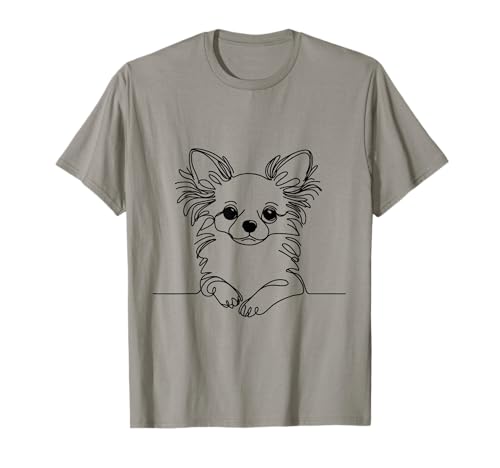
Miniature Long Haired Chihuahua Puppies for Sale
Your complete guide to finding a healthy, well-bred long coat Chihuahua puppy — from understanding the breed and vetting breeders to preparing your home for a tiny companion with a big personality.
The search for miniature long haired Chihuahua puppies for sale often begins with a simple desire: a tiny, affectionate companion with a soft, flowing coat. Long haired Chihuahuas are among the smallest recognized dog breeds, but their personalities are anything but small. They are alert, devoted, and surprisingly bold for their size.
Before you fall for a photograph of a fluffy puppy, it pays to understand what you are actually bringing home. The term "miniature" is not an official breed classification — the American Kennel Club recognizes only one Chihuahua standard, with a weight of six pounds or under [citation:2]. What sellers call "miniature" or "teacup" are simply smaller individuals within that range. This guide will help you navigate the market, ask the right questions, and make a decision you will not regret.
Understanding the Long Haired Chihuahua
The long haired Chihuahua is one of two coat varieties of the same breed, the other being the smooth or short coat. The long coat is soft, silky, and either flat or slightly wavy, with feathering on the ears, neck, the back of the legs, paws, and tail [citation:16]. Despite the name, the coat is not excessively long or thick — it is elegant rather than bushy.
These dogs were originally bred as companion animals and watchdogs. That history explains their strong attachment to their people and their tendency to alert to every sound. They are intelligent and learn quickly, but they are also sensitive and respond poorly to harsh handling [citation:17]. A long haired Chihuahua raised with patience and positive reinforcement becomes a confident, charming companion.
Size Reality Check: A healthy adult Chihuahua typically weighs between two and six pounds. Puppies marketed as "miniature" or "teacup" may be the smallest in a litter, but extreme smallness can come with increased fragility and health risks. Prioritize health and soundness over the smallest possible size.
Temperament & Living With a Long Haired Chihuahua
Long haired Chihuahuas are famously devoted to one or two people. They want to be near you — on your lap, under your blanket, following you from room to room. This affection is one of their greatest charms, but it also means they can struggle with being left alone for long periods. Early, gradual alone-training prevents separation anxiety from taking root.
Who Thrives With This Breed
- Adults and seniors who want a constant companion and can provide a calm, predictable routine.
- Older children who understand how to handle a tiny, fragile dog gently and respectfully.
- Apartment dwellers — their exercise needs are modest, and they are content with indoor play plus short daily walks [citation:1].
- Experienced small-dog owners who understand the importance of early socialization and consistent boundaries.
Who Should Reconsider
- Families with toddlers — the risk of accidental injury to the dog is significant, and a frightened Chihuahua may snap defensively.
- Homes with large, boisterous dogs — even a playful swat from a big dog can seriously harm a Chihuahua.
- People away from home for long hours — this breed is prone to loneliness and anxiety when isolated.
Without adequate socialization from a young age, Chihuahuas can become wary of strangers, nervous in new environments, and prone to excessive barking [citation:1]. This is not a breed defect but a predictable outcome of insufficient early exposure. Puppies should be gently introduced to new people, sounds, surfaces, and gentle handling during their critical socialization window.
Care, Feeding & Grooming
Feeding a Tiny Dog
Chihuahuas have fast metabolisms relative to their body size, but their stomachs are small. Feeding two or three small meals daily helps maintain stable blood sugar and prevents the hypoglycemia that tiny puppies are especially vulnerable to [citation:2]. A high-quality diet formulated for small breeds, with named meat as the first ingredient, supports their energy needs and coat condition. Fresh water must be available at all times.
Obesity is a real risk for this breed — an overweight Chihuahua carries extra strain on tiny joints and can develop heart and respiratory problems. Measure portions and adjust based on body condition, not just the feeding guide on the bag. You should be able to feel the ribs without seeing them and see a slight waist from above.
Grooming the Long Coat
The long coat is more demanding than the smooth variety but still manageable. Brush two to three times per week with a soft slicker brush or pin brush to prevent tangles, paying attention to the feathering behind the ears, on the chest, and under the tail [citation:2]. A bath every two to four weeks with a gentle dog shampoo keeps the coat clean and healthy. Dry thoroughly and keep the puppy warm afterward — Chihuahuas chill easily.
Dental care deserves special emphasis. Small mouths mean crowded teeth, and Chihuahuas are prone to plaque buildup and dental disease. Brushing several times a week with dog-safe toothpaste, plus appropriate chew toys, makes a meaningful difference to long-term health [citation:7].
Exercise & Enrichment
A daily walk of twenty to thirty minutes, plus indoor play and sniffing games, meets most of a Chihuahua's exercise needs [citation:6]. They enjoy short bursts of energy and then a long nap. Mental enrichment — puzzle feeders, gentle training sessions, and new safe experiences — tires them out more effectively than physical exercise alone.
Cold Weather Warning: Because they have so little body mass, Chihuahuas lose heat quickly. In cool weather, a warm sweater or coat is not a fashion statement — it is practical protection. They also appreciate a warm bed away from drafts.
Health Considerations for Long Haired Chihuahuas
With good care, Chihuahuas are a long-lived breed — many live well into their teens [citation:17]. Responsible breeding and proactive veterinary care give them the best chance at a long, comfortable life. Here are the conditions worth discussing with any breeder.
- Patella luxation: A condition where the kneecap slips out of place, causing intermittent lameness. It is common in small breeds and has a hereditary component. Ask whether the puppy's parents have had patella evaluations.
- Cardiac conditions: Some Chihuahuas develop heart murmurs or valve disease as they age. A cardiac exam on breeding dogs helps reduce risk.
- Eye conditions: Progressive retinal atrophy and other eye issues occur in the breed. An ophthalmologist evaluation of the parents is a mark of a careful breeder.
- Hypoglycemia: Low blood sugar is most dangerous for tiny puppies. Frequent small meals and prompt veterinary attention if a puppy becomes listless are essential [citation:2].
- The molera (soft spot): Many Chihuahua puppies are born with a soft spot on the skull, similar to a human baby's fontanel. It usually closes as the dog matures, but care should be taken to protect the head from bumps [citation:2].
Ask any breeder for documentation of health testing on the sire and dam. A breeder who cannot or will not provide this information is a red flag, no matter how charming the puppies are. The health guarantee and breeder contract should be clear about what is covered and for how long.
Vetting a Reputable Long Haired Chihuahua Breeder
The difference between a healthy, well-adjusted puppy and one that brings heartbreak often comes down to the breeder. A responsible breeder breeds for health, temperament, and conformation — not for the smallest possible size or the fastest sale.
Green Flags
- They ask you detailed questions about your home, lifestyle, and experience with small dogs — and they may decline to sell if the match is wrong.
- They invite you to visit the puppies where they are raised, or at least provide live video tours.
- They share health testing results for the parents, including patella, cardiac, and eye evaluations.
- They keep puppies until at least eight weeks of age, ideally ten, and have begun socialization and vaccinations.
- They offer ongoing support and are willing to answer questions after you take the puppy home.
- They can show you the mother and, often, the father, and the parents have sound temperaments.
Red Flags
- Multiple breeds and litters available at all times — a sign of a commercial operation rather than a focused hobby breeder.
- No health records, vague answers about testing, or refusal to let you see the parents.
- Pressure to decide immediately or pay a deposit without meeting the puppy.
- Puppies available before eight weeks of age.
- Emphasis on "teacup," "micro," or "pocket" size as a selling point rather than health and temperament.
Use the puppy visit checklist when you meet a litter, and do not skip the questions to ask a breeder. A good breeder will welcome your diligence. You can also read more about finding a reputable breeder and the red flags of a bad breeder.
What to Expect When Buying a Long Haired Chihuahua Puppy
Prices for long haired Chihuahua puppies vary widely based on the breeder's reputation, the puppy's lineage, color, and coat quality. Rather than focusing on a specific number, think in terms of value tiers: a budget-friendly puppy from a hobby breeder with limited health documentation sits at one end, while a premium puppy from a show-line breeder with full health testing and a written guarantee sits at the other. Neither tier guarantees a better companion — but the premium tier generally offers more predictability and support.
When you reserve a puppy, expect to sign a contract that outlines the registration type (limited or full), spay/neuter requirements, health guarantee terms, and what happens if you can no longer care for the dog. Reputable breeders do not want their dogs to end up in shelters, so they often include a return clause. This is a sign of responsibility, not distrust.
Registration Note: AKC registration papers are not a health guarantee. Many healthy, well-bred Chihuahuas are sold on limited registration or without papers. The AKC registration guide explains the difference. What matters far more is the breeder's health testing and the puppy's upbringing.
Preparing Your Home for a Tiny Puppy
A Chihuahua puppy is small enough to slip through gaps you never noticed, chew cords you forgot were there, and hide in spaces you did not know existed. Before the puppy arrives, walk through each room at floor level and think like a curious, determined two-pound explorer.
- Block small gaps behind furniture and under cabinets. Puppies can squeeze into surprisingly tight spaces.
- Secure electrical cords with covers or bitter spray. Tiny teeth find cords fascinating.
- Remove toxic plants and keep all medications, cleaning products, and small objects out of reach.
- Set up a safe confinement area with a small crate or playpen, a soft bed, and a potty pad for the first few weeks.
- Choose a warm, draft-free sleep spot. Chihuahuas feel the cold intensely.
- Have a harness and lightweight leash ready. A harness is safer than a collar for this breed, as their delicate necks can be injured by pulling.
- Stock small, soft training treats for positive reinforcement from day one.
If you have other pets, plan introductions carefully. A large dog may see a tiny Chihuahua puppy as prey rather than a playmate. Supervise all interactions and provide escape routes and high resting places where the Chihuahua can feel safe. The dog crates guide can help you choose an appropriately sized crate for a tiny breed.
Frequently Asked Questions
The Bottom Line
A long haired Chihuahua is a devoted, lively companion that fits beautifully into the right home. The key to a happy outcome is patience in your search: choose a breeder who prioritizes health and temperament, understand that "miniature" is a marketing term rather than a breed category, and prepare your home for a tiny dog with big needs. If you are still exploring small breeds, our guide to long haired teacup Chihuahua puppies offers additional perspective, and the puppy guide covers the first weeks at home in detail.