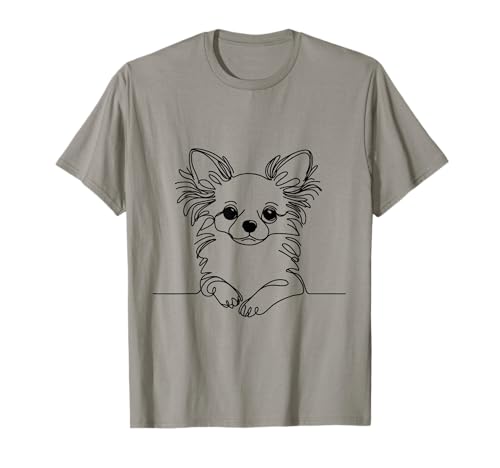
Long Haired Teacup Chihuahua Puppies for Sale
Everything you need to know before bringing home a long haired teacup Chihuahua — from understanding the real health risks and care requirements to finding a responsible breeder and avoiding common pitfalls.
The search for long haired teacup Chihuahua puppies for sale often begins with a simple desire: a tiny, affectionate companion with a beautiful flowing coat. Long haired Chihuahuas are indeed striking dogs — their soft coats and expressive eyes make them hard to resist. But the "teacup" label adds a layer of complexity that every prospective buyer needs to understand before making a decision.
This guide is not here to discourage you from owning a Chihuahua. It is here to ensure you make an informed choice. A long haired Chihuahua from healthy, standard-sized parents can be a wonderful addition to the right home. A dog bred specifically for extreme smallness, however, comes with risks that are not always visible in a cute puppy photo. Understanding the difference is the first step toward responsible ownership.
What Is a Long Haired Teacup Chihuahua?
First, an important clarification: "teacup" is not a recognized breed. The American Kennel Club (AKC) recognizes the Chihuahua as a single breed with two coat varieties — smooth and long. There is no official "teacup" classification. The term is a marketing label used to describe Chihuahuas bred to be significantly smaller than the breed standard [citation:2][citation:5].
A standard Chihuahua typically weighs between 2 and 6 pounds. A dog sold as "teacup" is usually bred to stay under 4 pounds, and sometimes under 3 pounds. These dogs are not a different breed — they are Chihuahuas selected for extreme smallness, often through multi-generational breeding of the smallest individuals.
Key distinction: A long haired Chihuahua from standard-sized parents is simply a Chihuahua with a long coat. A long haired teacup Chihuahua is a dog bred specifically for extreme small size, which introduces health considerations that standard-sized Chihuahuas do not face to the same degree.
Long haired Chihuahuas are known for their soft, flowing coats that can come in a wide variety of colors and patterns. They are often described as having a more elegant appearance than their smooth-coated counterparts. Their temperament is typical of the breed: alert, confident, loyal, and often described as having a "big dog personality in a small package" [citation:2]. They can be sassy, stubborn, and deeply devoted to their chosen person.
If you are exploring other small long-haired breeds, you might also be interested in long haired piebald Dachshund puppies or miniature long haired Chihuahua puppies, which offer similar coat appeal with different breed characteristics.
Health Risks and Reality Check
This is the section that many websites selling teacup puppies will not tell you. The veterinary consensus is clear: breeding dogs for extreme small size carries serious welfare concerns. The Dutch Veterinary Association (KNMvD) and other animal welfare organizations have launched public campaigns warning against the purchase of dogs under 3 kilograms (approximately 6.6 pounds) due to the health problems associated with extreme miniaturization [citation:3][citation:9].
Veterinary Warning: The smaller the dog, the greater the risk of pain and neurological problems. Dogs bred for extreme small size are more likely to suffer from conditions including open fontanel (incomplete skull closure), patellar luxation (loose kneecaps), tracheal collapse, dental disease, and in severe cases, Chiari malformation and syringomyelia — neurological conditions that can cause chronic pain and paralysis [citation:3][citation:6].
Specific health concerns for long haired teacup Chihuahuas include:
- Hypoglycemia (low blood sugar): Tiny dogs have very little glycogen reserve. Puppies especially can experience dangerous blood sugar drops if they go too long without eating. This requires frequent small meals throughout the day [citation:5][citation:8].
- Fragile bones: A fall from a couch or being stepped on can cause fractures that would not affect a larger dog. The open fontanel (soft spot on the skull) that some teacup dogs have makes head injuries especially dangerous [citation:6].
- Dental disease: Small mouths mean crowded teeth, which leads to rapid tartar buildup, gum disease, and tooth loss. Daily dental care is not optional for these dogs [citation:5].
- Patellar luxation: Kneecaps that slip out of place, causing lameness and pain. Common in small breeds and exacerbated by fragile joints [citation:5].
- Tracheal collapse: The windpipe can weaken and collapse, causing a honking cough and breathing difficulty. Using a harness instead of a collar is essential [citation:5].
- Temperature sensitivity: Very small bodies lose heat quickly. These dogs need sweaters in cool weather and should never be left outside in cold temperatures [citation:8].
The lifespan of a Chihuahua is typically 12 to 18 years, and many live well into their teens with proper care [citation:5]. However, a dog with severe health problems related to extreme miniaturization may have a shorter and more medically complicated life. The label "teacup" does not predict lifespan — the individual dog's health does [citation:16].
Before you buy: Ask to see health testing documentation for the parent dogs. For Chihuahuas, relevant tests include patellar evaluation, eye examinations, and cardiac screening. A breeder who cannot or will not provide this information is not a responsible source, regardless of how cute the puppy is.
Daily Care Requirements
Caring for a long haired teacup Chihuahua is not the same as caring for a standard-sized dog. The margin for error is smaller in every category — from feeding to handling to exercise.
Feeding and Nutrition
Teacup Chihuahua puppies are prone to hypoglycemia, especially in their first few months. They need three to four small meals per day to keep their blood sugar stable [citation:5][citation:8]. Choose a high-quality food formulated for small breed puppies, as it provides concentrated nutrition in small portions. Always have food available or feed on a consistent schedule — never let a tiny puppy go more than a few hours without eating.
Keep a source of quick sugar on hand, such as honey or glucose gel, in case of a hypoglycemic episode. Signs include lethargy, trembling, confusion, and in severe cases, seizures. If you suspect hypoglycemia, rub a small amount of honey on the gums and contact your veterinarian immediately.
Handling and Environment
These dogs are fragile. Always support the entire body with both hands when picking them up. Never allow them to jump from furniture — provide ramps or steps instead. Supervise all interactions with children, who may not understand how easily a tiny dog can be injured. A fall from a sofa or being dropped can cause serious injury [citation:2][citation:8].
Keep the environment warm. Chihuahuas have little body fat and get cold easily, especially the tiny ones. Provide cozy beds, blankets, and sweaters for cool weather. Avoid drafts and never leave them outside unsupervised.
Exercise
Teacup Chihuahuas need very little structured exercise. Short play sessions indoors or a brief walk around the block are usually sufficient. Mental stimulation through puzzle toys and gentle training is just as important as physical activity. Avoid high-impact activities and long walks — their tiny joints and bones are not built for endurance [citation:2].
Training and Socialization
Chihuahuas are intelligent but often stubborn. Positive reinforcement — treats, praise, and consistency — works best. Start socialization early, exposing your puppy to new sounds, people, and gentle dogs in controlled, positive ways. Without socialization, Chihuahuas can become overly timid or develop fear-based aggression [citation:5].
If you need guidance on training small dogs, our resources on loose leash walking and behavior modification techniques can help establish good habits from the start.
Grooming the Long Coat
The long haired Chihuahua's coat is one of its most appealing features, but it requires consistent maintenance. Unlike smooth-coated Chihuahuas, which need only a quick weekly brush, long haired varieties need brushing two to three times per week to prevent tangles and mats, especially behind the ears, under the legs, and on the tail [citation:5].
Use a soft-bristle brush or a slicker brush designed for small dogs. Be gentle — Chihuahuas have delicate skin. Bathing should be done only as needed, using a gentle dog shampoo, as over-bathing can dry out the skin. Regular nail trims are essential; long nails can cause gait problems and pain. Dental care is equally critical — small mouths are prone to tartar buildup, so brushing teeth several times a week with dog-specific toothpaste is strongly recommended [citation:8].
Grooming supplies: You'll need a soft slicker brush, a fine-toothed comb for face and ears, dog-safe shampoo, nail clippers, and dog toothbrush and toothpaste. Our guide to dog brushes and complete dog grooming can help you choose the right tools.
Finding a Responsible Breeder
This is perhaps the most important section of this guide. The source of your puppy determines not only the dog's health but also the ethics of the transaction. A responsible breeder prioritizes health and temperament over size. They will not use "teacup" or "micro" as their primary selling point — in fact, many responsible breeders avoid these terms entirely because of the health problems associated with extreme miniaturization [citation:16].
Here is what a responsible long haired Chihuahua breeder looks like:
- They health-test their breeding dogs. For Chihuahuas, this includes patellar evaluation, eye exams, and cardiac screening. Ask to see documentation, not just verbal assurances.
- They let you meet the mother. The mother's size and temperament tell you a lot about what the puppy will become. A responsible breeder will never hide the mother from you.
- They ask you questions. Good breeders care where their puppies go. They will ask about your home, your experience with dogs, and whether you have young children.
- They keep puppies until at least 8 weeks of age. Puppies need time with their mother and littermates for proper behavioral development.
- They provide a contract and health guarantee. This should include what happens if the puppy develops a genetic health problem.
- They do not pressure you to buy. A responsible breeder wants you to make an informed decision and will give you time to think.
If you are considering other small or long-haired breeds, our guides on finding a reputable dog breeder and questions to ask a dog breeder provide detailed checklists that apply to any breed.
You might also explore alternative small long-haired breeds such as Maltese puppies or Maltipoos, which are small and affectionate but generally have fewer extreme-size health concerns.
Red Flags to Avoid
The market for teacup puppies is unfortunately full of unethical breeders and scammers. Protect yourself by recognizing these warning signs:
- Emphasis on size over health. If the breeder talks more about how tiny the puppy will stay than about health testing or temperament, walk away. Size is not a health indicator — it is a risk factor.
- No health testing documentation. A breeder who cannot show you test results for the parent dogs is not breeding responsibly.
- Puppies available before 8 weeks. Puppies sold too young miss critical socialization and development with their mother and littermates.
- No contract or health guarantee. Reputable breeders stand behind their dogs. A breeder who offers no written guarantee is hiding something.
- Pressure to pay quickly. Scammers create false urgency. A responsible breeder will never rush you into a decision.
- No visit or video call allowed. If you cannot see the puppy's living conditions or meet the mother, do not buy. Photos and videos can be stolen or misleading.
- Prices that seem too low. While prices vary, extremely low prices for a "teacup" puppy often indicate a puppy mill or scam operation. Remember that "cheap" puppies often come with expensive health problems.
Consider rescue first: Thousands of Chihuahuas and Chihuahua mixes end up in shelters every year. If you are flexible about coat length and exact size, adopting a rescue dog can be a deeply rewarding alternative. Our guide to looking for a rescue dog can help you get started.
Frequently Asked Questions
The Bottom Line
A long haired Chihuahua can be a wonderful companion — affectionate, loyal, and full of personality. But the "teacup" label introduces risks that every buyer deserves to understand. If you decide to bring one of these dogs into your home, do so with open eyes: choose a breeder who prioritizes health over size, budget for potential veterinary costs, and commit to the careful, patient care these fragile dogs require. If the risks feel too significant, consider a standard-sized long haired Chihuahua or a rescue dog — both can bring just as much love into your life with fewer health concerns.