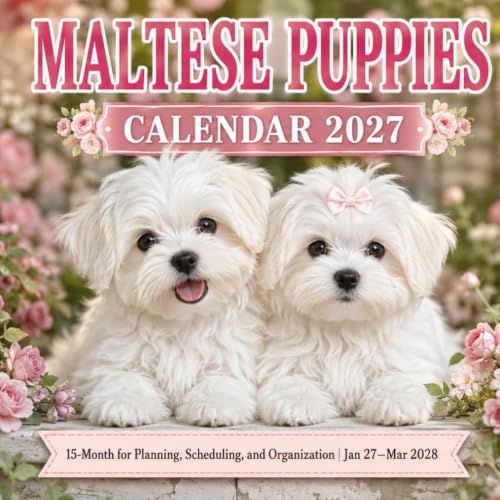
Maltese Puppies for Sale: Your Complete Breeder & Buyer Guide
Everything you need to know before buying a Maltese puppy — from finding ethical breeders and understanding price tiers to health testing, puppy care, and lifelong breed needs.
The Maltese is one of the oldest toy breeds in the world and has been a cherished companion for centuries. With their silky white coat, gentle temperament, and affectionate nature, Maltese puppies are among the most sought-after small dogs for families, seniors, and apartment dwellers. But buying a Maltese puppy is a significant commitment — both emotionally and financially — and the breeder you choose has a lasting impact on your dog's health and temperament.
This guide is designed for prospective buyers who already know they want a Maltese and need trusted information to make a confident purchasing decision. You will learn how to evaluate breeders, what health tests to demand, what to expect across quality tiers, and how to care for your new puppy from day one. If you are also exploring related toy breeds, our Maltese dog breed guide and Maltese puppies overview offer additional background.
Maltese Breed Overview
The Maltese is a toy breed known for its compact size, long white coat, and loving personality. Adults typically weigh between 4 and 7 pounds and stand 7 to 9 inches tall. Despite their delicate appearance, Maltese are sturdy little dogs that enjoy play and daily walks. Their coat is single-layered, silky, and white, and it does not shed heavily — making them a popular choice for people who prefer a low-shedding companion.
Size
Toy breed — 4 to 7 pounds, 7 to 9 inches tall. Teacup variants exist but carry higher health risks and should be approached with caution.
Lifespan
Typically 12 to 15 years with proper care, making them one of the longer-lived toy breeds. Preventive care and dental hygiene strongly influence longevity.
Coat
Single-layer, silky white hair that grows continuously. Low-shedding but requires daily brushing and regular professional grooming to prevent mats.
Exercise
Moderate. Two short walks of 20–30 minutes daily plus indoor play is usually sufficient. They adapt well to apartment living.
Grooming
High maintenance. Daily brushing, regular bathing every 2–3 weeks, and professional trims every 4–6 weeks are typical for pet clips.
Trainability
Intelligent and eager to please, but can be stubborn. Positive reinforcement works best. Early socialization prevents shyness and excessive barking.
Quick Facts About Maltese Puppies:
• Litter sizes average 1–3 puppies, which contributes to higher demand and limited availability.
• Puppies are born pure white and remain so throughout life — no color variations exist in the breed.
• The breed is recognized by the AKC in the Toy Group and has a long show history.
• Maltese are closely related to Bichons, Havanese, and Coton de Tulear — if you are considering alternatives, our Maltipoo guide and Maltipoo puppies for sale page may be helpful.
Temperament & Traits: What to Expect
Maltese are affectionate, gentle, and deeply devoted to their owners. They form strong bonds and often follow their people from room to room. This makes them wonderful companions but also means they can develop separation anxiety if left alone for extended periods. They generally get along well with other pets and older children, though their small size means they are not ideal for households with very young, boisterous toddlers.
- Affectionate and loving: Maltese thrive on attention and want to be near their humans. They are often described as "velcro dogs" because of their closeness to their owners.
- Gentle with older children: They are patient and tolerant but can be injured by rough handling, so calm, respectful children are essential.
- Alert watchdogs: Despite their small size, Maltese are alert and will bark at strangers. Early training helps prevent excessive barking.
- Good with other pets: When properly socialized from a young age, Maltese usually coexist peacefully with other dogs and cats.
- Apartment-friendly: Their small size and moderate exercise needs make them ideal for apartment living, provided they get daily walks and mental stimulation.
- Prone to separation anxiety: Their strong attachment means they do best in homes where someone is present most of the day, or with gradual alone-time training.
Pro Tip for Buyers: Ask your breeder how they socialize their puppies. Puppies raised in a home environment with exposure to different sounds, surfaces, and people tend to be more confident adults. Avoid breeders who keep puppies in isolated kennels — socialization between 3 and 14 weeks is critical.
Finding a Reputable Maltese Breeder
The breeder you choose is the single most important decision in your puppy-buying journey. A responsible breeder prioritizes health, temperament, and the long-term well-being of both the puppy and the buyer. They will screen their breeding dogs for genetic conditions, raise puppies in a clean and enriched environment, and provide ongoing support after the sale.
Where to Start Your Search
Start with breed clubs and national kennel organizations. The American Maltese Association and the AKC Marketplace list breeders who agree to follow breed club codes of ethics. Local breed-specific rescue groups are also worth contacting — Maltese are occasionally available for adoption through rescue organizations. While you may need to wait for a puppy, this route offers valuable due diligence.
What a Reputable Maltese Breeder Does
- Health tests breeding dogs: Patellar luxation screening, cardiac evaluation, eye exams, and liver function tests are standard in quality programs. Ask to see certificates.
- Provides a written health guarantee: A minimum one-year guarantee against genetic conditions is expected. Read our guide on health guarantees for puppies to know what to look for.
- Raises puppies in the home: Puppies should be exposed to household sounds, people, and handling from birth. This is a strong indicator of a quality program.
- Allows visits: You should be able to meet the puppy's parents (at least the mother) and see where the puppy was raised.
- Asks you questions: A good breeder cares where their puppies go. Expect questions about your home, family, and experience with dogs.
- Provides records: Vaccination schedules, deworming records, feeding instructions, and registration papers should be included.
- Offers a contract: Reputable breeders use a written contract covering health, return policies, and spay/neuter requirements. Our breeder contract guide explains what to expect.
Questions to Ask a Maltese Breeder
- Can I see health testing certificates for the parents? Which conditions were tested?
- How many litters do you produce per year, and how many breeding dogs do you keep?
- What vaccinations has the puppy received, and what deworming schedule was followed?
- How is the puppy socialized? Were they raised indoors with the family?
- What is the health guarantee, and what does it cover?
- Can I visit before the sale and see the mother and the puppy's environment?
- What food is the puppy eating, and what is the feeding schedule?
- Will you be available for advice after I take the puppy home?
Our detailed guides on how to find a reputable dog breeder and questions to ask a dog breeder go deeper into this process and apply to Maltese breeders as well.
Breeder Quality Tiers & Price Factors
Maltese puppies are available across a wide range of quality tiers. Understanding the differences helps you decide what level of investment makes sense for your goals — whether you want a healthy family companion or a show-potential dog. The tiers below use relative descriptors rather than specific prices; actual costs vary by region, bloodline, and breeder reputation.
Entry-Level / Hobby Breeders
Puppies from casual or hobby breeders who produce occasional litters. Some health testing may be missing, and guarantees are often limited. These puppies can make lovely pets, but buyers should verify health records carefully. In this tier, the buyer assumes more responsibility for screening.
Mid-Range / Established Breeders
Breeders with established programs, documented health testing, written contracts, and home-raised puppies. Puppies from this tier are typically well-socialized and come from parents screened for common breed conditions. This is the most common tier for pet buyers.
Premium / Show-Line
Champion bloodlines, extensive health testing, and rigorous screening. Puppies may be sold with limited or full registration depending on the contract. Prices sit in the top tier, but the health and structural quality of the dogs are typically superior. See our limited vs full registration explanation for the paperwork side.
| Factor | Entry-Level | Mid-Range | Premium |
|---|---|---|---|
| Health testing of parents | Limited or none | Standard breed tests | Extensive, often multi-generation |
| Written health guarantee | Varies | One year typical | One to two years or more |
| Puppy socialization | Variable | Home-raised, socialized | Structured socialization protocol |
| Breeder support | Limited | Available after sale | Lifelong support and mentorship |
| Registration | Limited | Limited or full | Full with show rights (case by case) |
Understanding Price Without the Numbers: The most reliable way to evaluate value is to compare what is included. A mid-range puppy with health-tested parents, a written guarantee, and breeder support often represents better long-term value than a lower-tier puppy without these assurances. Health problems in toy breeds can lead to significant veterinary expenses, so the upfront tier often reflects the level of health screening behind the puppy.
Health Testing & Genetic Screening
Maltese are generally healthy, but like all purebred dogs they have known breed-specific conditions. Reputable breeders test for these conditions before breeding, and you should ask for proof. The table below lists the most important health concerns in Maltese and the tests available.
| Condition | What It Is | Screening Test |
|---|---|---|
| Patellar luxation | Dislocation of the kneecap, causing lameness | Orthopedic exam by veterinarian |
| Portosystemic shunt | Abnormal liver blood vessel affecting liver function | Bile acid test, liver function panel |
| Patent ductus arteriosus | Congenital heart defect requiring correction | Cardiac auscultation and echocardiogram |
| Eye disorders | Distichiasis, cataracts, progressive retinal atrophy | Ophthalmology exam by certified specialist |
| Dental disease | Small mouth and crowded teeth lead to plaque and periodontitis | Oral exam; proactive dental care required |
| Hypoglycemia | Low blood sugar in very small puppies | Breeder monitoring and feeding schedule management |
If you are new to health testing, our guide on genetic testing for dog breeds explains how results are reported and what clearances mean. For broader breed health comparisons, see our healthiest dog breeds article.
Buyer Action Item: Before placing a deposit, ask the breeder for copies of the parents' health clearances. A breeder who cannot or will not provide these is a significant red flag. The cost of health testing is small compared to the lifetime cost of managing a preventable genetic condition.
Puppy Buying Checklist
Use this checklist to evaluate any Maltese breeder or puppy you are considering. The more boxes you can tick, the more confident you can be in your purchase.
- Health clearances for both parents are documented and shown to you.
- The breeder provides a written contract with a health guarantee.
- You are allowed to visit the breeder and see the puppy's living area.
- The puppy's mother is on-site and appears healthy and well-cared for.
- Puppies are raised indoors and exposed to household sounds and people.
- Vaccination and deworming records are provided and up to date.
- The breeder asks you detailed questions about your home and lifestyle.
- The puppy's eyes are clear, ears are clean, and coat is fluffy and clean.
- The puppy is active, curious, and interacts comfortably with you.
- The breeder offers post-sale support and advice.
- The breeder will take the puppy back if you can no longer care for it.
- Registration paperwork is clear (limited vs full registration explained).
For a printable version of this process, see our full puppy visit checklist. And if you are still deciding between breeds, our Maltese breed page and Maltese puppy breeders resource can help.
Maltese Puppy Care Essentials
Bringing home a Maltese puppy is exciting, but these tiny dogs have specific care needs. Planning ahead ensures a smooth transition and sets your puppy up for a healthy, happy life.
Feeding & Nutrition
Feed a high-quality puppy food formulated for toy breeds. Small kibble is easier for tiny mouths. Puppies under 6 months should eat 3–4 small meals daily to prevent hypoglycemia. For product recommendations, browse our puppy food and dry dog food guides. Always provide fresh water, and avoid free-feeding if your puppy tends to overeat.
Grooming
The Maltese coat requires daily attention. Brush daily with a slicker brush and metal comb to prevent mats, bathe every 2–3 weeks, and schedule professional grooming every 4–6 weeks if you keep a pet clip. For tools, see our dog brushes and dog shampoo recommendations. Tear staining can be managed with gentle daily wiping and a breed-appropriate diet.
Vaccinations & Vet Care
Follow a standard puppy vaccination schedule. Your breeder should provide records of the first vaccines and deworming. Schedule a vet visit within 48 hours of bringing your puppy home. Discuss spay/neuter timing with your veterinarian — our dog vaccination guide and low-cost vaccination clinic resource may help.
Training & Socialization
Start training immediately with positive reinforcement. Maltese respond well to gentle, consistent training. Enroll in a puppy kindergarten class after the first set of vaccines. Crate training helps with potty training and prevents separation anxiety. For training gear, see our dog harnesses and dog collars picks.
Must-Have Supplies
- Small crate or puppy pen for safe confinement and crate training — see our dog crates guide.
- Soft, washable dog bed in a draft-free area — browse dog beds.
- Harness and leash (never a collar for a tiny neck) — see dog leashes.
- Puzzle toys and safe chew toys to keep your puppy mentally stimulated — our puzzle toys and chew toys guides have options.
- Dog-safe toothpaste and a soft toothbrush — dental care is essential from day one. See dog toothbrushes.
- First aid kit for minor injuries — a dog first aid kit is a smart investment.
Hypoglycemia Alert: Tiny Maltese puppies can develop low blood sugar if they go too long without eating. Keep a small amount of honey or corn syrup on hand and consult your vet immediately if your puppy becomes weak, wobbly, or lethargic. Feeding small, frequent meals and limiting strenuous play helps prevent this condition.
Red Flags & Common Pitfalls
The Maltese breed is popular, and unfortunately, unscrupulous breeders and puppy mills exploit that demand. Recognizing red flags can save you from heartbreak and costly veterinary bills.
- No health testing or clearances: A breeder who cannot provide health certificates for the parents is taking risks with your puppy's health.
- Multiple litters available at once: Reputable hobby and show breeders rarely have multiple litters simultaneously. This is a hallmark of commercial breeding operations.
- Refuses home visits: Legitimate breeders welcome visits. If you are told to meet in a parking lot or cannot see the mother, walk away.
- Pressure to buy immediately: Ethical breeders want to ensure a good match and will not pressure you. High-pressure sales tactics are a sign of a puppy mill or scam.
- No written contract or guarantee: A handshake is not enough. Insist on a written contract that includes health guarantees and return policies.
- Puppies sold before 8 weeks: Puppies need time with their mother and littermates for proper socialization. Never buy a puppy younger than 8 weeks.
- Price too low for the tier claimed: If a "show-quality" puppy is offered at an unrealistically low tier, it is likely a misrepresentation. Use our puppy prices by breed guide to calibrate expectations.
- No registration paperwork: If AKC registration is promised, ensure papers are provided at pickup. See our AKC registration guide for details.
- Unwilling to answer questions: A reputable breeder is an open book. Evasiveness is a major red flag.
For more detailed warnings, read our guides on red flags of a bad dog breeder, puppy mill vs reputable breeder, and backyard breeder dangers.
Tip: Verify Before You Deposit. Never send a deposit before visiting the breeder and seeing the puppy in person — or at minimum, requesting a live video tour. Scammers frequently use stolen photos and demand payment through untraceable methods. Legitimate breeders will accept traceable payment and provide receipts.
Frequently Asked Questions
Final Thoughts Before You Buy
Bringing home a Maltese puppy is a joyful milestone, but it starts with making an informed choice. Prioritize health testing, transparency, and breeder support over a lower tier. A well-bred Maltese from a reputable breeder will reward you with years of affection and companionship. If you are still exploring, our Maltese breed profile, Maltese dog breed guide, and Maltese puppies overview offer additional reading. For related toy breeds, consider our Miniature Pinscher and long-haired teacup Chihuahua puppies for sale guides.