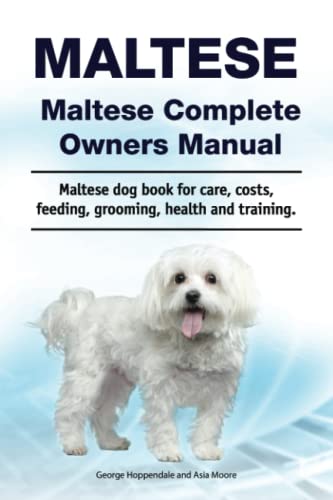
The Maltese Dog Breed: Complete Care Guide
A tiny companion with a giant heart. Discover everything about the elegant Maltese — temperament, grooming needs, health considerations, training approach, and what life with this ancient toy breed is really like.
The Maltese is one of the oldest toy breeds in the world and has been cherished as a companion dog for thousands of years. Despite its delicate, aristocratic appearance, this small white dog is surprisingly sturdy, playful, and full of personality. If you are researching the Maltese dog breed before bringing one home, this guide walks you through every practical detail — from daily grooming routines to the health conditions you should monitor.
Maltese dogs are affectionate, adaptable, and thrive on human companionship. They suit apartment living, travel well, and bond intensely with their families. But they are not low-maintenance in every respect. Their long, silky coat demands consistent care, and their small size requires thoughtful handling, especially around children and other pets.
Breed Overview & History
The Maltese descends from ancient dogs that lived in the Mediterranean region, particularly on the island of Malta. Historical records and artwork suggest that Maltese-type dogs existed over two thousand years ago and were prized by nobility and royalty across Europe. Roman emperors, Egyptian pharaohs, and European aristocrats all kept small white companion dogs that closely resemble today's Maltese.
The breed was developed specifically to be a lap dog and companion — never a hunter, herder, or guard dog. That ancient purpose still shapes the Maltese temperament today. They are affectionate, people-focused, and happiest when close to their owners. Because they were bred purely for companionship, they lack strong working instincts but have an exceptional capacity for bonding with humans.
The Maltese is recognized by major kennel clubs as a member of the Toy Group. Modern breeders focus on preserving the breed's gentle temperament, compact size, and distinctive silky white coat. If you are searching for Maltese puppies for sale, working with a responsible breeder who prioritizes health and temperament is essential.
At a Glance:
• Group: Toy
• Lifespan: 12–15 years, often longer with excellent care
• Weight: 4–7 pounds
• Height: 7–9 inches at the shoulder
• Coat: Single layer, long and silky, white
• Exercise: Low to moderate — 20–30 minutes daily
• Good with kids: Best with gentle, older children
Temperament & Personality
The Maltese is famously affectionate, gentle, and lively. They form deep attachments to their owners and dislike being left alone for long periods. This breed is often described as a "Velcro dog" because they follow their humans from room to room and prefer to be wherever the family is.
Despite their small size, Maltese are playful and sometimes surprisingly bold. They enjoy toys, short games of fetch, and interactive play sessions with their owners. They are also alert and will announce visitors with a bark, though they are not guard dogs by any stretch. Their alertness can turn into excessive barking if not managed early with consistent training.
Key Personality Traits
- Affectionate: Craves closeness and physical contact; loves laps.
- Sociable: Gets along well with people and other pets when properly socialized.
- Gentle: Rarely aggressive; typically patient and sweet-natured.
- Alert: Notices changes in the environment and may bark to announce them.
- Playful: Enjoys toys and games despite its dainty appearance.
- Adaptable: Happy in apartments or larger homes as long as they are included.
Potential Downsides
- Separation sensitivity: Can develop anxiety if left alone frequently.
- Barking tendency: Needs training to keep alert barking under control.
- Fragility: Not suited to rough handling by toddlers or large dogs.
- House-training challenges: Small bladders and stubbornness can slow progress.
- Velcro behavior: Wants constant company and may follow you everywhere.
Temperament is shaped by genetics and early experience. When choosing a puppy, meet the parents and observe their behavior. A responsible breeder will raise puppies in a home environment with handling, noise, and varied experiences — the foundation of a stable adult dog. If you are considering Maltipoo puppies as an alternative, remember that mixed-breed temperaments can be less predictable.
Size, Appearance & Coat
The Maltese is a compact toy breed. Adults typically weigh between four and seven pounds and stand seven to nine inches tall at the shoulder. They reach full size between eight and twelve months of age, though some may continue filling out slightly until around a year old.
The breed's most distinctive feature is its coat: a single layer of long, fine, silky white hair with no undercoat. Because there is no undercoat, Maltese shed very little — one reason they are popular with allergy-conscious households. The coat falls straight to the ground in show dogs, but most pet owners keep their Maltese in a shorter "puppy cut" for practicality.
Maltese have dark, round eyes, black noses, and drop ears covered in long hair. Their expression is famously sweet and alert. The breed standard calls for a pure white coat, though some puppies are born with slight lemon or tan markings that usually fade as they mature.
Grooming Reality Check: A full show coat on a Maltese requires daily brushing and frequent bathing — a serious time commitment. Most pet owners choose a short cut that keeps the dog comfortable and the grooming routine manageable. Discuss coat length with your groomer and decide what fits your lifestyle.
Grooming & Coat Care
Grooming is the single biggest commitment of Maltese ownership. The breed's silky coat tangles easily and mats quickly if neglected. Mats are not just cosmetic — they pull on the skin, cause discomfort, and can lead to skin infections.
Daily Grooming Routine
- Brushing: Brush daily with a slicker brush and a metal comb. Work in small sections, starting at the roots to prevent tangles from forming close to the skin. Pay special attention to the ears, armpits, and hindquarters where mats develop fastest.
- Bathing: Bathe every one to two weeks with a gentle dog shampoo. Frequent bathing is acceptable for this breed because they have no undercoat, but use a moisturizing formula to avoid dry skin. Dry thoroughly — damp coat left against the skin can cause irritation.
- Face and eye care: Maltese are prone to tear staining, which turns the hair below the eyes reddish-brown. Wipe the eyes daily with a soft cloth or pet-safe eye wipe. Keeping the hair around the eyes trimmed helps, and some owners use filtered water or dietary adjustments to reduce staining.
- Nail trimming: Trim nails every two to four weeks. Small dogs' nails can grow quickly and curl into the paw pads, causing pain and gait changes. If you hear clicking on hard floors, nails are too long.
- Ear cleaning: Check and clean ears weekly. Because the ears are drop-shaped and hair-covered, they trap moisture and debris, which can lead to infections. Use a dog-specific ear cleaner and never insert anything into the ear canal.
- Dental care: Brush teeth several times per week, ideally daily. Maltese are highly prone to dental disease because their small mouths crowd the teeth. Professional dental cleanings may be needed periodically, as recommended by your vet.
Professional grooming every four to six weeks keeps the coat in good shape, especially if you prefer a short puppy cut. Investing in quality grooming tools — a good slicker brush, a metal comb, and dog-specific shampoo — makes home maintenance far easier. You can explore options in our dog brushes and dog shampoo guides.
Health Issues & Prevention
The Maltese is a generally healthy breed with a long lifespan of twelve to fifteen years or more. However, like all breeds, it has certain predispositions that owners should understand and monitor.
Common Health Concerns
- Patellar luxation: The kneecap can slip out of place, causing lameness. This is common in small breeds. Keep your dog at a healthy weight and avoid high-impact jumping to reduce risk. Severe cases may require surgery.
- Dental disease: Small mouths and crowded teeth make plaque buildup almost inevitable without regular brushing. Untreated dental disease affects the heart, liver, and kidneys. Daily brushing and professional cleanings are essential.
- Tear staining: Not a disease, but a cosmetic and hygiene concern caused by excessive tearing, blocked tear ducts, or irritation. Daily eye cleaning and face trimming help manage it.
- Hypoglycemia: Very small puppies can experience low blood sugar, especially during stress or periods of not eating. Feed small, frequent meals and monitor energy levels during the first months.
- Patent ductus arteriosus (PDA): A congenital heart defect that can be detected by a veterinarian in young puppies. Reputable breeders screen for it.
- Tracheal collapse: The windpipe can weaken and collapse, causing a honking cough. Use a harness instead of a collar for walks to reduce pressure on the neck.
- Luxating patella and Legg-Calvé-Perthes: Hip and joint conditions that can affect small breeds. Genetic testing and responsible breeding reduce risk.
Preventive Care Essentials:
• Annual wellness exams with your veterinarian
• Core vaccinations and parasite prevention year-round
• Dental checks and professional cleanings as recommended
• Weight monitoring — obesity worsens joint problems
• Screening for hereditary conditions through a reputable breeder
You can learn more about health screening in our genetic testing for dog breeds guide.
Exercise & Activity Needs
The Maltese has modest exercise needs. A daily walk of twenty to thirty minutes, plus indoor play sessions, is usually sufficient for an adult. Puppies need shorter, more frequent bursts of activity — five to ten minutes at a time — because their joints and bones are still developing.
Because the Maltese is small and somewhat delicate, exercise should emphasize quality over intensity. Short, frequent walks and interactive play keep them fit without stressing their joints. Avoid high-impact activities and jumping from heights, which increase the risk of patellar luxation.
- Daily walks: One or two short walks per day, ideally on grass or soft surfaces.
- Indoor play: Fetch with soft toys, gentle tug games, and interactive play with their owner.
- Mental stimulation: Puzzle feeders and training sessions tire them out mentally and satisfy their intelligence.
- Social walks: Safe, controlled exposure to other dogs and people reinforces socialization.
- Avoid: Rough play with large dogs, jumping from furniture, and long, strenuous hikes.
One important note: Maltese are not ideal jogging partners or long-distance hiking companions. Their small size and short legs make vigorous endurance exercise unsuitable. If you are an active person who wants a small dog that can keep up, explore low-maintenance small dogs for first-time owners for alternatives.
Training & Socialization
Maltese are intelligent and eager to please, but they have a stubborn streak and can be challenging to house-train. Consistency, patience, and positive reinforcement are key. This breed responds best to gentle, reward-based methods and shuts down under harsh correction.
Training Priorities
- House-training: Establish a strict schedule from day one. Take your puppy out frequently — every one to two hours during the day — and reward every successful potty outdoors. Small bladders mean less warning time. Never punish accidents; clean them thoroughly and reinforce good behavior.
- Crate training: A crate provides a safe space and supports house-training. If your puppy cries at night, see our guide on how to stop your puppy from crying in the crate.
- Basic commands: Teach sit, stay, come, and leave it with treats and praise. Keep sessions short — five to ten minutes — and end on a positive note. Our loose-leash walking guide covers the walking aspect in detail.
- Barking control: The Maltese is alert and may bark at sounds and visitors. Teach a "quiet" cue early and reward calm behavior. Excessive barking often stems from under-stimulation or anxiety.
- Socialization: Expose your puppy to different people, calm dogs, sounds, and environments during the critical socialization window. This prevents fear and reactivity later.
Training should be a lifelong habit, not a one-time project. Short daily sessions maintain obedience and provide mental enrichment. If your Maltese develops anxiety behaviors, explore our resources on behavior modification techniques and calming products for dogs.
Small Dog, Big Personality: Avoid "small dog syndrome" by setting rules from day one. Do not allow behaviors in a Maltese that you would not tolerate in a large dog — jumping, nipping, and guarding are all manageable when addressed early, but much harder to fix later. Consistency builds a well-mannered companion.
Living With a Maltese
Maltese adapt beautifully to apartment living. They are small, quiet indoors (when trained), and don't require a yard. Their exercise needs are modest and can be met with short walks and indoor play. This makes them popular with city dwellers and first-time dog owners.
However, their need for companionship is high. They dislike being left alone for extended periods and may develop separation anxiety if isolated. If your household is away for long hours, consider a dog walker or a breed better suited to independence. Their social nature means they thrive in homes where someone is around most of the day.
Maltese and Children
Maltese can be wonderful family dogs, but their tiny size makes them vulnerable to injury from rough play. They are best suited to families with gentle, dog-savvy children who understand how to hold and interact with a small dog. Toddlers and very young children may accidentally hurt or drop a Maltese, so supervision is essential. Teaching children to sit on the floor to pet the dog and to avoid picking them up without adult help reduces risk.
Maltese and Other Pets
With proper socialization, Maltese generally get along with other dogs and cats. They are social animals and often enjoy the company of another small, gentle pet. Caution is required with large dogs, especially high-energy breeds that may accidentally injure a small dog during play.
Pros, Cons & Who It Suits
No breed is perfect for everyone. Here is an honest look at the Maltese's strengths and challenges.
Pros
- Affectionate, loving, and deeply bonded to owners
- Sheds very little — a good option for allergy sufferers
- Adapts well to apartments and small living spaces
- Low exercise requirements
- Long lifespan for a toy breed
- Gentle and sweet-natured with family members
- Intelligent and trainable with positive methods
Cons
- High-maintenance coat — daily brushing and frequent grooming
- Prone to tear staining and dental problems
- Can be difficult to house-train
- Separation-sensitive; dislikes long periods alone
- Fragile size around toddlers and large dogs
- Alert barker without training
- Professional grooming adds ongoing expense
Who Is the Maltese Best For?
The Maltese is an excellent choice for apartment dwellers, retirees, singles, and families with older, gentle children. It suits people who want a close, affectionate companion and are willing to invest time in grooming and training. It is not a good fit for households that are away all day, homes with very young children who cannot handle a small dog carefully, or people who want a low-maintenance, independent pet.
If you decide the Maltese is right for you, start by finding a responsible breeder. Our guides on how to find a reputable dog breeder and questions to ask a dog breeder will help you avoid the pitfalls of backyard breeding and puppy mills. Alternatively, consider rescue organizations — Maltese and Maltese mixes do appear in rescue.
Frequently Asked Questions
Final Thoughts: Is a Maltese Right for You?
The Maltese is a devoted, elegant, and adaptable companion for the right household. It offers affection, portability, and low-shedding convenience — in exchange for daily grooming, consistent training, and plenty of togetherness. If you are ready to commit to a small dog with a big heart, the Maltese may be your ideal match. Start with a responsible breeder, invest in quality grooming tools, and schedule a veterinary wellness exam early. For related reading, explore our dog care and puppy guide sections.