Low Maintenance Small Dogs for First Time Owners
Discover the best small dog breeds that are easy to care for, adaptable to apartment living, and perfect for first-time dog owners. Find your ideal companion with our comprehensive guide.
For first-time dog owners, the idea of bringing home a new puppy or adult dog can be both exciting and overwhelming. You want a companion that fits your lifestyle, is easy to care for, and doesn't require expert-level dog handling skills. Low maintenance small dogs are an excellent choice for beginners because they typically have manageable exercise needs, are adaptable to smaller living spaces, and often have friendly, forgiving temperaments. This guide will help you understand which small breeds are genuinely low maintenance and what to expect in terms of daily care.
It's important to remember that "low maintenance" is relative—every dog needs daily attention, exercise, and love. However, some breeds are more forgiving of beginner mistakes and have simpler care routines. By the end of this guide, you'll have a clear picture of the best small dog breeds for first-time owners and the products that can make your new life together easier. If you're looking to adopt rather than buy, consider looking for a rescue dog—many small mixed breeds are wonderfully low maintenance and make loyal companions.
Why Choose a Low Maintenance Small Dog?
Small dogs are often perceived as easier to care for, but not all small breeds are created equal. Some, like the Jack Russell Terrier, are bundles of energy that require extensive exercise and mental stimulation. Others, like the Maltese or Bichon Frise, are far more content with a relaxed lifestyle. For first-time owners, choosing a breed with a naturally calm and adaptable disposition can make the learning curve much smoother.
Key Benefits of Low Maintenance Small Dogs:
• Manageable exercise needs: Typically 30–60 minutes of daily activity is sufficient.
• Apartment-friendly: Small size means they adapt well to smaller living spaces.
• Easy to transport: Lighter and easier to handle for vet visits and travel.
• Often more affordable: Smaller dogs generally eat less and may have lower grooming costs.
• Great for first-time training: Many breeds are eager to please and respond well to positive reinforcement.
However, "low maintenance" doesn't mean "no maintenance." Every dog needs daily food, fresh water, exercise, potty breaks, and companionship. If you're considering a small dog, be prepared to dedicate time each day to their care and training. For guidance on training basics, see our dog training section and explore positive reinforcement techniques that work well with small breeds.
Top Low Maintenance Small Dog Breeds
Based on factors like exercise requirements, grooming needs, trainability, and general adaptability, here are the top small dog breeds that are well-suited for first-time owners. Each breed has its own unique personality, so consider which traits best match your lifestyle.
Cavalier King Charles Spaniel
A gentle, affectionate breed that gets along with everyone. They need moderate exercise (about 30–45 minutes daily) and regular grooming, but their eager-to-please nature makes training a joy. They are adaptable to apartments and are known for being exceptionally patient with children.
PremiumMaltese
A tiny, charming breed with a glamorous white coat—but don't let that fool you. Maltese are surprisingly sturdy and love playtime, yet they're equally happy lounging on your lap. Their coat requires daily brushing, but many owners opt for a short "puppy cut" to simplify grooming.
Mid-rangeBichon Frise
Cheerful, curious, and highly adaptable. Bichons have a curly, hypoallergenic coat that needs regular professional grooming, but they don't shed much. They are smart and easy to train, making them ideal for first-time owners who want a playful yet manageable companion.
Mid-rangeShih Tzu
Bred to be a lap dog, the Shih Tzu is content with short walks and plenty of cuddle time. Their long coat requires daily brushing, but a short trim can reduce maintenance. They are affectionate, outgoing, and generally get along well with other pets and people.
Entry-levelMiniature Pinscher
Despite their small size, Miniature Pinschers are energetic and confident. They need a bit more exercise than some other small breeds, but their short coat is virtually maintenance-free. They are smart and independent, which can make training a fun challenge for a dedicated beginner.
Entry-levelBeagle (Small Variety)
Beagles are friendly, curious, and sturdy little dogs. They have a short coat that's easy to care for, but they do need daily exercise and a secure fence—their noses can lead them astray. Their merry temperament makes them great family pets, though they can be stubborn during training.
Budget-friendlyWhen choosing a breed, consider your living situation and activity level. If you live in an apartment, breeds like the Maltese or Shih Tzu are excellent choices. If you enjoy daily walks, a Cavalier or Beagle might be a better fit. And if you have allergies, look into hypoallergenic dog breeds to find a small companion that won't trigger symptoms. For more breed options, explore our small dog breeds directory.
Breed Comparison: Key Traits
Use this table to quickly compare the most important characteristics of each breed. Remember that individual dogs may vary, and training and socialization play a huge role in a dog's behavior.
| Breed | Exercise Needs | Grooming | Trainability | Good for Apartments |
|---|---|---|---|---|
| Cavalier King Charles Spaniel | Moderate (30–45 min/day) | Moderate (brush 2–3x/week) | High | Yes |
| Maltese | Low (20–30 min/day) | High (daily brushing) | High | Yes |
| Bichon Frise | Moderate (30–40 min/day) | High (professional grooming) | High | Yes |
| Shih Tzu | Low (20–30 min/day) | High (daily brushing) | Moderate | Yes |
| Miniature Pinscher | Moderate (30–45 min/day) | Low (weekly brush) | Moderate | Yes |
| Beagle (Small) | Moderate to High (45–60 min/day) | Low (weekly brush) | Moderate (stubborn) | Yes, with exercise |
As you can see, grooming is often the biggest differentiator. If you want to minimize grooming time, choose a breed with a short coat like the Miniature Pinscher or Beagle. If you don't mind daily brushing, the Maltese or Shih Tzu are wonderful companions. For grooming tools, check out our recommendations for dog brushes and dog shampoo.
Essential Care Requirements
Regardless of breed, all dogs need a baseline level of care. Understanding these essentials will help you prepare for your new companion and ensure a smooth transition.
Feeding and Nutrition
Choose a high-quality dog food appropriate for your dog's age, size, and activity level. Small breeds have faster metabolisms and may need more calorie-dense food, but be careful not to overfeed. Follow the feeding guidelines on the package and adjust based on your dog's body condition. For specific recommendations, explore our dry dog food and wet dog food guides. Puppies should be fed puppy food until they reach adulthood.
Veterinary Care
Schedule a wellness exam with your veterinarian soon after bringing your dog home. Keep up with vaccinations, parasite prevention, and dental care. Small breeds are prone to dental issues, so regular brushing with a dog toothbrush and dental chews are important. Consider pet insurance to help manage unexpected vet bills—our dog health section has more information.
Safety and Supplies
Before your dog arrives, gather essential supplies: a comfortable dog bed, food and water bowls, a collar with ID tags, a leash, and a crate for safe confinement. For small dogs, a dog carrier or car seat is useful for travel. And don't forget dog toys to keep your new friend entertained.
Exercise & Mental Stimulation
Even low maintenance dogs need daily exercise—both physical and mental. A tired dog is a well-behaved dog. For small breeds, 30–60 minutes of activity per day is usually sufficient, but this can vary by breed and age. Split exercise into shorter sessions: a morning walk, indoor play in the afternoon, and an evening stroll.
- Walks: Two 15–20 minute walks per day are adequate for most small breeds. Use a comfortable dog harness to prevent strain on their delicate necks.
- Indoor play: Fetch with soft toys or a game of tug can burn energy without leaving home. Interactive puzzle toys provide mental stimulation.
- Mental stimulation: Short training sessions (5–10 minutes) are excellent for tiring your dog mentally. Use dog treats as rewards.
- Socialization: Expose your dog to new people, places, and friendly dogs to build confidence. This is crucial for first-time owners.
Pro Tip: Small dogs can be sensitive to cold weather. In winter, consider a dog sweater or coat for outdoor walks. Also, protect their paws from hot pavement in summer with paw protection balm.
Grooming Made Easy
Grooming is a major part of dog care, but it doesn't have to be a chore. Establish a routine early and make it a positive experience with treats and praise.
- Brushing: Frequency depends on coat type. Short-coated breeds need weekly brushing; long-coated breeds may need daily brushing to prevent mats. Use a slicker brush or undercoat rake as appropriate.
- Bathing: Bathe every 2–3 months unless your dog gets dirty. Use a gentle dog shampoo to avoid skin irritation.
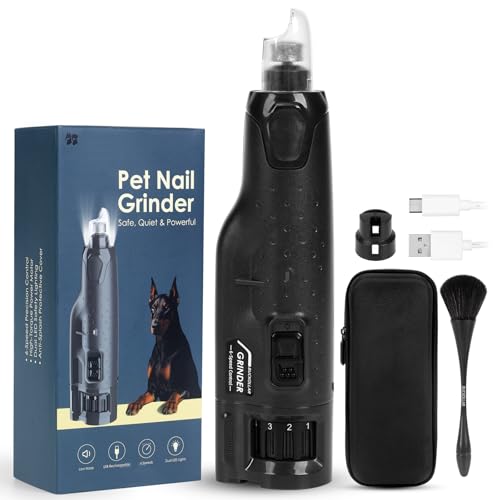
- Nail Trimming: Trim nails every 2–4 weeks with dog nail clippers. If you hear clicking on hard floors, nails are too long.
- Ear Cleaning: Check ears weekly and clean with a vet-approved solution if needed. Floppy-eared breeds like the Cavalier are more prone to ear infections.
- Dental Care: Brush teeth daily if possible, or at least 2–3 times per week. Use a dog toothbrush and dog-specific toothpaste.
If grooming isn't your forte, consider a professional groomer every 4–8 weeks, especially for breeds with high-maintenance coats. A complete dog grooming guide can give you more detailed instructions.
Training Tips for Beginners
Training is essential for a well-behaved dog, and it's also a great way to bond. Small dogs are just as capable of learning as large breeds—sometimes they're even easier to train because they're highly motivated by treats and praise.
- Start early: Begin training as soon as you bring your dog home. Short, frequent sessions (5–10 minutes) are more effective than long ones.
- Use positive reinforcement: Reward good behavior with treats, praise, or play. Never punish your dog—it damages trust and can lead to fear-based behaviors.
- Focus on the basics: Teach sit, stay, come, and leave it. These commands are foundational for safety and good manners.
- Be consistent: Everyone in the household should use the same commands and rules. Consistency is key to success.
- Socialize: Gradually expose your dog to new experiences, people, and other animals in a positive way. This prevents fear and aggression later.
For step-by-step guidance, explore our dog training section, including how to teach sit and come. If you encounter challenges, consider hiring a professional trainer—our guide on when to hire a trainer can help you decide.
Health & Veterinary Care
Small breeds are generally healthy, but they can be prone to certain conditions. Regular veterinary check-ups are crucial for early detection and prevention.
- Dental disease: Small breeds are especially prone to plaque and tartar buildup. Regular brushing and professional cleanings are essential.
- Patellar luxation: A common knee problem in small dogs. Keep your dog at a healthy weight and avoid high-impact jumping.
- Hypoglycemia: Tiny breeds like Chihuahuas can have low blood sugar. Feed small, frequent meals and consult your vet.
- Heart conditions: Some small breeds, like the Cavalier King Charles Spaniel, are prone to heart disease. Regular vet visits help monitor.
Keep up with vaccinations and parasite prevention, including flea and tick treatment and heartworm prevention. A dog first aid kit is also a wise investment for any pet owner. For more detailed health information, visit our dog health section.
Frequently Asked Questions
Ready to Welcome Your New Companion?
Choosing a low maintenance small dog is a wonderful way to start your journey as a dog owner. Remember that every dog, no matter how "easy," needs your time, patience, and love. Once you've picked your breed, prepare your home with the right supplies and set up a routine. If you're looking for a specific breed, explore our breed guides such as the Maltese or Miniature Pinscher. For more options, check out our dog breeds section and our puppy guide if you're starting with a puppy. The bond you build with your new dog will be one of the most rewarding experiences of your life.