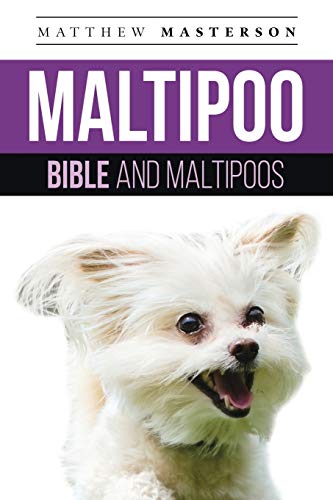
Maltipoo Puppies for Sale: Your Complete Breeder Guide
Everything you need to know before buying a Maltipoo puppy — from identifying ethical breeders and understanding health testing to preparing your home for a new furry family member.
The search for Maltipoo puppies for sale can feel overwhelming. With countless breeders, online listings, and contradictory advice, how do you know you're making the right choice? A Maltipoo is more than just a cute face — this cross between a Maltese and a Poodle is an intelligent, affectionate companion that can bring years of joy to your household. But bringing one home requires careful preparation and a commitment to responsible purchasing.
This guide walks you through the entire process of finding a healthy Maltipoo puppy from an ethical breeder. You'll learn what makes this breed special, how to separate reputable breeders from puppy mills, what health tests matter, and how to prepare for your new puppy's arrival. By the end, you'll have the knowledge and confidence to make an informed decision — and to give your Maltipoo the best possible start in life.
Quick Note: The Maltipoo is a designer crossbreed, not a recognized purebred by major kennel clubs. This means there's no breed standard, and puppy quality varies enormously between breeders. Choosing the right breeder is the single most important decision you'll make.
What Is a Maltipoo?
A Maltipoo (also written as Malti-Poo or Maltipoo) is a cross between a Maltese and a Toy or Miniature Poodle. This designer crossbreed was originally developed to combine the Maltese's gentle, affectionate nature with the Poodle's intelligence, trainability, and low-shedding coat. The result is a small, companionable dog that has become one of the most sought-after crossbreeds in the United States and beyond.
Maltipoos are part of a broader category of "doodle" crossbreeds that includes Labradoodles, Goldendoodles, and Cockapoos. Unlike purebred dogs, Maltipoos don't have a standardized appearance — their size, coat type, and color can vary significantly depending on the generation (F1, F1b, F2) and the specific parent dogs used in breeding. Some Maltipoos look more like their Maltese parent, with a silky, straight coat, while others inherit the Poodle's curly, dense coat.
Key Characteristics
- Size: Toy (5–10 lbs) to small (10–20 lbs), depending on parent size
- Lifespan: Typically 10–15 years with proper care
- Coat: Low-shedding, curly to wavy, often described as "teddy bear" soft
- Temperament: Affectionate, intelligent, social, eager to please
- Energy Level: Moderate — daily walks and play sessions are sufficient
- Trainability: High — inherits the Poodle's intelligence and the Maltese's willingness to please
- Good with: Families, singles, seniors, apartment dwellers, allergy sufferers
Maltipoo Generations Explained
The generation of a Maltipoo affects its appearance, coat type, and predictability:
- F1: First-generation cross — Maltese x Poodle. Most genetic diversity, least predictable appearance.
- F1b: F1 Maltipoo backcrossed to a Poodle. Usually 75% Poodle, 25% Maltese. More consistent coats, often curlier.
- F2: Two F1 Maltipoos bred together. Can produce a wide variety of coat types and sizes within the same litter.
- Multigenerational: Maltipoos bred to Maltipoos over multiple generations. Most consistent appearance but still not a standardized breed.
Why Maltipoos Are So Popular
Maltipoos consistently rank among the most popular designer breeds in the United States, and for good reason. They offer a combination of traits that appeal to a wide range of households — from city apartments to suburban family homes. Understanding what makes this breed special will help you determine whether a Maltipoo is the right fit for your lifestyle.
The Appeal of the Maltipoo
- Low-shedding coat: Maltipoos are often recommended for people with mild allergies because they shed very little. However, no dog is truly hypoallergenic — allergens come from saliva and dander, not just fur. If you're considering a Maltipoo for allergy reasons, spend time with one before buying. You can also explore our guide to hypoallergenic dog breeds for alternative options.
- Affectionate and social: Maltipoos bond deeply with their families and thrive on companionship. They are not dogs that do well when left alone for long periods — they may develop separation anxiety if isolated.
- Highly trainable: The Poodle's intelligence and the Maltese's eagerness to please combine to create a dog that responds well to positive reinforcement training. Many Maltipoos excel at obedience, trick training, and even agility.
- Compact size: Their small size makes them adaptable to apartment living, easy to travel with, and manageable for seniors or first-time dog owners. If you're looking for apartment-friendly dogs, the Maltipoo is a top contender.
- Versatile companion: Maltipoos are happy as lap dogs, playful companions for children, or affectionate companions for older adults. They adapt well to different lifestyles as long as their need for social interaction is met.
Important Consideration: Maltipoos require regular grooming — typically professional grooming every 4–6 weeks, plus daily brushing at home. If you're not prepared for the time and cost of regular grooming, a lower-maintenance breed may be a better choice. Check our guide to low-maintenance small dogs for alternatives.
Finding a Reputable Maltipoo Breeder
The difference between a healthy, well-socialized Maltipoo and one with behavioral or health issues often comes down to the breeder. Reputable breeders invest time, money, and expertise into producing healthy puppies — and they care deeply about where those puppies end up. Here's how to identify a breeder who prioritizes the well-being of their dogs over quick sales.
Where to Start Your Search
- Breed-specific referrals: Ask local veterinarians, dog trainers, and groomers for breeder recommendations. They often know which breeders produce healthy, well-tempered dogs in your area.
- Breed clubs and associations: While the Maltipoo isn't a recognized purebred, some crossbreed registries and clubs maintain breeder directories. Look for organizations that require health testing and ethical practices.
- Reputable breeder websites: A trustworthy breeder will have a professional website with detailed information about their breeding program, health testing, and puppy-raising practices. They should be transparent about their dogs and their process.
- Dog shows and events: Attending local dog events can help you network with breeders. Even though Maltipoos aren't shown as a breed, Poodle and Maltese breeders may offer Maltipoo puppies or provide referrals.
- Referrals from Maltipoo owners: If you see a well-behaved, healthy Maltipoo at the park or in your neighborhood, ask their owner where they got their dog. Happy owners are often eager to share their breeder's information.
What Sets Reputable Breeders Apart
- Health testing: Reputable breeders test their parent dogs for genetic conditions common to Poodles and Maltese, including PRA (progressive retinal atrophy), patellar luxation, and Legg-Calve-Perthes disease. They can provide documentation of these tests. Learn more about genetic testing for dog breeds.
- Limited litters: Ethical breeders breed only a few litters per year and prioritize quality over quantity. If a breeder has multiple litters available year-round, that's a red flag.
- Home-raised puppies: Puppies should be raised in a clean home environment with socialization from an early age. They should be introduced to different sounds, surfaces, people, and gentle handling. Avoid breeders who keep dogs in kennels or outdoor pens.
- Written health guarantee: A reputable breeder provides a written contract that includes a health guarantee, spay/neuter agreement, and a policy for returning the dog if the situation doesn't work out. Check our guide to health guarantees for puppies to understand what to look for.
- They interview you: An ethical breeder cares about where their puppies go. They will ask about your lifestyle, home environment, experience with dogs, and plans for the puppy. They may refuse to sell to you if they don't think the match is right — and that's a good sign.
- Lifetime support: Good breeders stay in touch with their puppy buyers. They offer advice, answer questions, and will take back a dog if you can no longer care for it. They are a resource for you throughout the dog's life.
- Transparency: A reputable breeder will let you visit the facility, meet the parents, and see the puppies in their environment. They have nothing to hide. If they refuse to let you see where the puppies are raised, walk away.
Local vs. Long-Distance: Many people find their Maltipoo breeder online and purchase a puppy without ever meeting the breeder or the puppy's parents in person. While this can work with a highly reputable breeder, it's always preferable to visit in person if possible. If you can't visit, ask for live video tours of the facility and the puppy's living area. Reputable breeders will be happy to accommodate.
Red Flags to Avoid When Buying a Maltipoo
The market for Maltipoo puppies is unfortunately flooded with unethical breeders, puppy mills, and scammers. Knowing the warning signs can save you from heartache and significant financial loss. For a deeper dive into what to avoid, read our guide to red flags of a bad dog breeder and the difference between puppy mills and reputable breeders.
- No health testing: If a breeder can't provide documentation of genetic health testing on the parent dogs, walk away. Health testing is not optional for responsible breeding.
- Multiple litters available year-round: This is a hallmark of puppy mills. Reputable breeders plan litters carefully and often have waiting lists.
- Refusing visits: If a breeder won't let you visit the facility or meet the puppy's parents, that's a major red flag. There's no legitimate reason to hide a breeding operation.
- Puppies available at 6 weeks or younger: Puppies should stay with their mother and littermates until at least 8 weeks of age (some experts recommend 10–12 weeks for small breeds). Early separation causes behavioral problems later in life.
- No contract or health guarantee: A breeder who doesn't provide a written contract and health guarantee isn't protecting you or the puppy. They're likely cutting corners.
- Pressure to buy immediately: Scammers often use high-pressure sales tactics, claiming another buyer is interested or that the price will increase. Take your time — a good breeder wants you to make an informed decision.
- No questions about you: If a breeder doesn't ask about your lifestyle, home, or experience with dogs, they're more interested in your money than the puppy's future.
- Unusually low pricing: While pricing is relative, a price that's dramatically lower than other reputable breeders may indicate a puppy mill or a puppy with undocumented health problems. Remember that cheap puppies often come with expensive health issues.
- Breeding multiple designer breeds: Some breeders churn out many different crossbreeds without specializing in any. This can be a sign of a commercial operation focused on volume rather than quality.
- No photos or videos of the parents: If a breeder can't or won't provide photos or videos of the puppy's parents, that's a red flag. It may indicate that the parents aren't on-site or that the breeding program is not what it seems.
Essential Questions to Ask a Maltipoo Breeder
When you've identified a breeder you're interested in, it's time to interview them. The questions you ask — and the answers you receive — will tell you a lot about the breeder's ethics and the quality of their puppies. For a comprehensive checklist, see our guide to questions to ask a dog breeder.
Health and Testing
- What genetic health tests have been performed on the parent dogs?
- Can you provide documentation of those test results?
- What health conditions have appeared in your breeding lines?
- Are both parents healthy and on-site? Can I meet them?
- What vaccinations and deworming has the puppy received?
- What is your health guarantee policy?
Breeding Practices and Puppy Care
- How many litters do you breed per year?
- How old is the mother dog? Is this her first litter?
- Where are the puppies raised? Can I see the environment?
- What socialization have the puppies received?
- At what age do you let puppies go to new homes?
- What food are the puppies eating? Can I continue with it?
Contract and Support
- Do you provide a written contract? What does it cover?
- Do you require spaying/neutering? At what age?
- Will you take the dog back if I can no longer care for it?
- What ongoing support do you offer after purchase?
- Can I contact you with questions or concerns after I bring my puppy home?
Pro Tip: A good breeder will ask you just as many questions as you ask them — about your home, your work schedule, your experience with dogs, your plans for training and vet care. They want to ensure their puppies go to loving, responsible homes. This is a positive sign, not an intrusion.
Health Testing & Genetic Concerns in Maltipoos
Because Maltipoos are a crossbreed, they can inherit genetic conditions from both the Maltese and Poodle sides of their lineage. Reputable breeders screen for these conditions to reduce the risk of producing affected puppies. Understanding what to look for helps you ask the right questions and evaluate breeder responses.
Common Genetic Concerns
| Condition | Inherited From | What It Affects | Testing Available |
|---|---|---|---|
| Progressive Retinal Atrophy (PRA) | Poodle, Maltese | Eyes — can lead to blindness | DNA test (swab or blood) |
| Patellar Luxation | Poodle, Maltese | Knees — slipped kneecap | Orthopedic exam, OFA certification |
| Legg-Calve-Perthes Disease | Poodle, Maltese | Hip joint — degeneration of femoral head | X-ray, OFA evaluation |
| Congenital Heart Disease | Poodle | Heart — valve defects | Cardiac exam, echocardiogram |
| Hypothyroidism | Both | Thyroid gland — metabolic issues | Blood test for hormone levels |
| Sebaceous Adenitis | Poodle | Skin — inflammation of sebaceous glands | Skin biopsy |
Reputable breeders test their breeding dogs for these conditions and only breed dogs that are clear or have acceptable results. They should provide you with documentation — not just verbal assurances. If a breeder says "my dogs are healthy" but can't produce health certificates or DNA test results, that's not good enough.
Keep in mind that health testing doesn't guarantee a puppy will never develop health problems, but it significantly reduces the risk. It also demonstrates that the breeder is investing in the long-term health of their dogs rather than cutting corners. For a broader perspective on health in dogs, see our guide to the healthiest dog breeds.
What About Embark and Other DNA Tests? Breeders may use commercial DNA testing services like Embark or Wisdom Panel to screen for genetic conditions. These tests are a useful tool, but they are not a substitute for proper health clearances from organizations like OFA (Orthopedic Foundation for Animals) or veterinary specialists. Ask for both.
Understanding Maltipoo Pricing Tiers
Maltipoo puppy prices vary enormously based on the breeder's reputation, the puppy's lineage, coat quality, size, color, and geographic location. Rather than quoting specific prices (which quickly become outdated), here's a breakdown of what you can generally expect at different quality tiers.
Entry-Level / Budget-Friendly
Typically from backyard breeders or less-established breeders with limited health testing. Puppies may be healthy but often come with fewer guarantees, less socialization, and less predictable adult size, coat, and temperament. Health guarantees may be minimal or non-existent.
Budget-FriendlyMid-Range / Mid-Tier
From established breeders with some health testing on parent dogs, reasonable socialization practices, and a basic health guarantee. Puppies are typically well-adjusted and healthy, though not necessarily show-quality or from champion lines.
Mid-RangePremium / High-End
From breeders with extensive health testing (OFA clearances, DNA panels), champion or titled bloodlines, rigorous socialization programs, comprehensive health guarantees, and lifetime breeder support. Often have waiting lists and require applications.
PremiumLuxury / Top-Tier
From the most elite Maltipoo breeders — often those with show-quality Poodle and Maltese lines, fully health-tested parents, extensive puppy enrichment programs, and a proven track record of producing exceptional companions. Includes comprehensive contracts and often a "pick of the litter" premium.
LuxuryRemember that the purchase price is only the beginning of your financial commitment. Over your Maltipoo's lifetime, you'll spend significantly more on food, grooming, veterinary care, training, and supplies than you did on the puppy itself. Factor these ongoing costs into your decision. For a comprehensive list of what you'll need, see our puppy supplies checklist.
What Affects Maltipoo Puppy Pricing? Size (toy vs. small), coat type (curly vs. wavy), color, parent size, generation (F1, F1b, multigenerational), breeder reputation, health testing, and geographic location all influence price. A puppy from a breeder with a long waiting list and champion bloodlines will cost significantly more than one from a less-established breeder. Neither is automatically "better" — but premium breeders typically offer more guarantees and support.
Bringing Your Maltipoo Puppy Home
You've found your breeder, chosen your puppy, and prepared your home. Now comes the exciting — and sometimes overwhelming — process of bringing your new Maltipoo home. Careful preparation will make the transition smoother for both you and your puppy.
Before Pickup Day
- Choose a veterinarian: Schedule a wellness exam for your puppy within 48–72 hours of bringing them home. Most health guarantees require this. Ask your breeder for vet recommendations or check local reviews. Our guide to low-cost vaccination clinics may help you find affordable options.
- Puppy-proof your home: Secure electrical cords, remove toxic plants, block off stairs, and put away small objects that could be swallowed. Check our guide to puppy-proofing your home for a complete checklist.
- Set up a crate: Crates are not cages — they're safe spaces that help with potty training and prevent destructive behavior. Learn how to introduce the crate positively with our guide to crate training for puppies.
- Buy supplies in advance: You'll need food (the same brand the breeder uses), treats, food and water bowls, a collar and leash, chew toys, a crate or bed, and grooming supplies. Get a head start with our complete puppy supplies checklist.
- Plan for time off: If possible, take a few days off work when your puppy arrives. This gives you time to bond, establish routines, and help your puppy adjust to their new environment.
The First Few Days
- Keep things calm: Your puppy has just left their mother, littermates, and the only home they've known. Avoid overwhelming them with visitors, loud noises, or too much stimulation. A quiet, safe space is best for the first few days.
- Establish a routine: Puppies thrive on predictability. Feed at the same times each day, take them out to potty immediately after meals and waking, and set a consistent bedtime. Routine helps them feel secure. For a detailed schedule, see our guide to puppy feeding schedules.
- Start potty training immediately: Take your puppy out every 1–2 hours during the day, and immediately after eating, drinking, playing, and waking up. Praise and reward successful potty trips. Our potty training guide has step-by-step instructions.
- Introduce the crate gradually: Don't force your puppy into the crate. Make it comfortable with blankets and toys, feed meals inside, and reward them for entering voluntarily. Start with short periods and gradually increase duration.
- Begin socialization: Once your puppy has had their first vaccinations (usually around 6–8 weeks), start introducing them to new people, places, sounds, and experiences — in a positive, controlled way. The critical socialization period is between 3 and 14 weeks of age, so don't wait too long. Read our guide to the puppy socialization period.
- Start basic training: Begin teaching sit, come, and name recognition using positive reinforcement. Keep sessions short (5 minutes or less) and fun. Check our guide to teaching puppy basic commands.
Vaccinations: Your puppy will likely have received their first vaccinations before coming home, but they won't be fully protected until they've completed the full puppy vaccination series (usually around 16–20 weeks). Avoid public places where unknown dogs roam until your veterinarian gives the all-clear. See our puppy vaccination schedule for details.
Maltipoo Care Essentials
Bringing your Maltipoo home is just the beginning. This breed has specific care needs that you should understand before committing. Here's what to expect when it comes to grooming, exercise, training, and health care.
Grooming
Maltipoos require consistent grooming to keep their coats healthy and mat-free:
- Daily brushing: Use a slicker brush and metal comb to prevent tangles and mats. Pay special attention to the ears, armpits, and hindquarters, where mats form most easily.
- Professional grooming: Schedule a professional groomer every 4–6 weeks for a bath, trim, and nail clipping. Find tools for home grooming in our dog brush guide and nail clipper guide.
- Bathing: Bathe every 2–3 weeks using a gentle dog shampoo. Over-bathing can dry out the skin. See our dog shampoo guide for recommendations.
- Ear cleaning: Check ears weekly and clean gently with a dog-specific ear cleaner. Floppy ears trap moisture and can lead to infections.
- Dental care: Brush teeth several times a week to prevent dental disease. Small breeds are especially prone to periodontal problems. Our dog toothbrush guide can help you choose the right tools.
Exercise & Training
Maltipoos are moderately active dogs that need daily physical and mental stimulation:
- Daily walks: Two short walks per day (15–20 minutes each) plus indoor play sessions are usually sufficient. Puppies need shorter, more frequent exercise.
- Mental stimulation: Puzzle toys, training games, and interactive play keep their clever minds engaged. Check our puzzle toy guide for options.
- Training: Maltipoos are highly trainable. Use positive reinforcement and keep sessions short and fun. Basic obedience training is essential for all puppies — see our training resources.
- Socialization: Continue exposing your Maltipoo to new people, dogs, and environments throughout their life. Well-socialized Maltipoos are confident and friendly.
- Crate training: A crate provides a safe space for your Maltipoo when you can't supervise them. Learn more with our dog crate guide.
For a more comprehensive look at caring for your dog, explore our complete dog care guide. It covers nutrition, health, exercise, and everything in between.
Frequently Asked Questions About Maltipoo Puppies
Ready to Find Your Maltipoo Puppy?
Choosing a Maltipoo puppy is an exciting decision, but it comes with responsibility. Take your time, ask the right questions, and don't rush the process. The right breeder will be as invested in finding a good home for their puppy as you are in finding the right companion. The fact that you're reading this guide means you're already on the right track — informed, caring buyers make the best dog owners. For more help finding your perfect companion, explore our dog breeder resources or browse our Maltese puppy guide if you're also considering a purebred.