My Dog Ate Her Poop and Is Now Throwing Up
Discover why this happens, what it means for her health, and the exact steps to help her feel better right now.
It starts with a moment of panic: you turn around and see your dog eating her own feces. Then hours later, she vomits. You're scared, confused, and wondering if this is a medical emergency. First, take a breath — this situation is more common than you think, and most dogs recover with simple care.
However, coprophagia (the technical term for eating feces) combined with vomiting can be a sign of a deeper issue. This guide will help you understand why your dog ate her poop, why she's throwing up, and exactly what you should do next to keep her safe and healthy.
Why Do Dogs Eat Their Own Feces?
Coprophagia is a frustrating but surprisingly natural behavior in dogs. It's not always a sign of a nutritional deficiency, but rather a combination of instinct, habit, and environmental factors. Understanding the "why" will help you prevent it from happening again.
Common Reasons for Coprophagia
- Instinctual behavior: Mother dogs eat the feces of their puppies to keep the den clean, and puppies may imitate this behavior.
- Nutritional malabsorption: If your dog isn't digesting her food properly, she may eat feces to try to recapture lost nutrients.
- Boredom or anxiety: Dogs who are left alone for long periods may eat feces as a way to occupy themselves or relieve stress.
- Parasites or digestive issues: Intestinal parasites can alter a dog's appetite and eating behaviors.
- Attention-seeking: If you've reacted strongly in the past, your dog may repeat the behavior to get a reaction from you.
Why She Threw Up After Eating Poop
Vomiting after eating feces can happen for several reasons:
- Indigestion: Feces contain bacteria and undigested material that can upset the stomach.
- Toxins or parasites: If the feces contained harmful bacteria or parasites, the body tries to expel them.
- Dietary indiscretion: Eating non-food items often triggers an upset stomach.
- Underlying health issue: The coprophagia may be a symptom of a larger problem like exocrine pancreatic insufficiency (EPI) or IBD.
The good news is that a single episode of vomiting after eating feces is usually not an emergency, but you need to monitor your dog closely.
What to Do Immediately (First 4 Hours)
Your actions in the first few hours can make a big difference. Here's a step-by-step plan to help your dog recover and determine if you need a vet.
- Remove all food and water for 2-4 hours: This gives her stomach a rest. Don't worry, she won't starve in that time.
- Observe her behavior: Is she lethargic, drooling, or in pain? Is she still playful and responsive? This will guide your next decision.
- Check her vomit: Look for signs of blood, bile, or foreign objects. If it looks like coffee grounds, that could be digested blood and requires immediate vet attention.
- Call your vet or poison control: Even if she seems fine, a quick call can give you peace of mind. They can advise if you should bring her in.
- After 2-4 hours of no vomiting: Offer small sips of water. If she keeps that down, offer a bland diet (boiled chicken and plain white rice).
🚨 When to go to the vet immediately:
• Vomiting persists for more than 4 hours
• You see blood in the vomit or stool
• Your dog is lethargic, weak, or unresponsive
• She is in obvious pain (whining, panting, distended stomach)
• She has a known health condition like diabetes or kidney disease
If any of these occur, do not wait — take her to the emergency vet immediately.
Home Care for Your Dog's Recovery
If your dog has stopped vomiting and is acting normally, you can support her recovery at home. However, if symptoms persist, always consult your vet.
Bland Diet Recipe
For the next 24-48 hours, feed your dog a bland diet to soothe her stomach:
- 1 part boiled chicken breast (skinless, no seasoning)
- 2 parts plain white rice
- Small portions every 3-4 hours
- Gradually transition back to regular food over 2-3 days
Monitor for Dehydration
Vomiting causes fluid loss. Check for signs of dehydration:
- Gently pull up the skin on the back of her neck — if it doesn't snap back quickly, she's dehydrated.
- Check her gums: they should be moist and pink. Dry, tacky gums indicate dehydration.
- If you suspect dehydration, offer small amounts of water or unflavored Pedialyte.
💡 Preventing Future Coprophagia:
• Clean up feces immediately after your dog poops
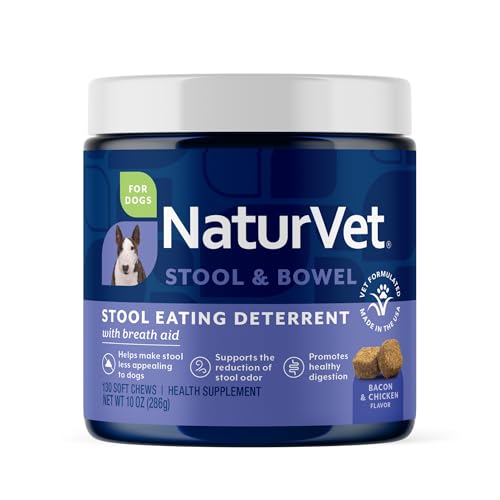
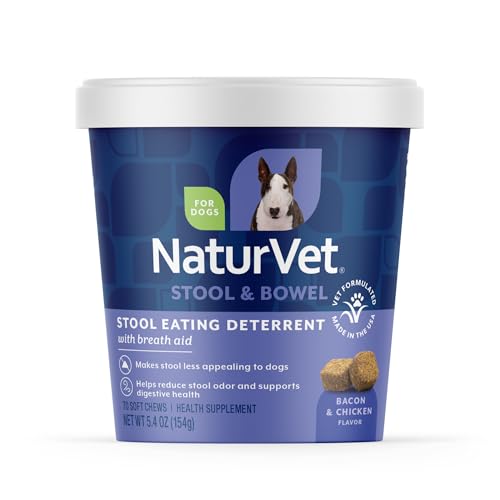
• Add a coprophagia deterrent supplement to her food (they make her feces taste unappealing)
• Keep her mentally stimulated with interactive toys and regular exercise
• Ensure her diet is high-quality and digestible — premium dry food with probiotics can help
Could This Be a Sign of a Deeper Health Problem?
While a single instance of coprophagia followed by vomiting is often benign, repeated occurrences or vomiting that doesn't stop could indicate an underlying condition. If your dog has been sick more than once or has other symptoms, it's important to consider these possibilities.
Potential Medical Causes
- Exocrine Pancreatic Insufficiency (EPI): The pancreas doesn't produce enough digestive enzymes, causing malabsorption and hunger.
- Intestinal Parasites: Worms or giardia can lead to nutritional deficiencies and abnormal eating.
- Diabetes or Cushing's Disease: Both cause increased appetite, which can lead to coprophagia.
- Gastrointestinal Disorders: IBS, IBD, or food allergies can make food less digestible, triggering coprophagia.
When to See a Vet
If your dog has shown any of these signs in addition to coprophagia and vomiting, schedule a vet visit:
- Chronic diarrhea or soft stools
- Weight loss despite a good appetite
- Changes in coat quality (dull, dry)
- Excessive thirst or urination
- Lethargy or weakness
Your vet can perform a fecal exam, bloodwork, and perhaps a digestive enzyme test to pinpoint the issue. Don't hesitate to ask about supplements that can help with digestive health.
Frequently Asked Questions
Your Dog is Counting on You
Seeing your dog throw up is scary, but most cases of coprophagia-induced vomiting resolve with simple home care. The key is to stay calm, monitor her closely, and follow the steps above. If you're ever in doubt, a quick call to your vet can give you the reassurance you need. You've got this — and your dog is lucky to have such a caring owner.