My Dog Is Throwing Up Yellow Bile With Blood
Seeing your dog vomit yellow bile with blood is alarming. This guide explains the possible causes, when it becomes an emergency, and what steps you can take to help your dog recover safely.
Finding yellow bile mixed with blood in your dog's vomit is a frightening experience. Yellow bile usually means your dog is vomiting on an empty stomach, but the presence of blood changes the situation significantly. Blood in vomit can indicate bleeding somewhere in the upper digestive tract, and it should never be ignored.
While not every case is life-threatening, this combination of symptoms requires prompt veterinary attention. In this guide, we'll walk you through the most common causes, the signs that demand immediate emergency care, and how you can support your dog's recovery once a vet has been involved.
Why Is My Dog Throwing Up Yellow Bile With Blood?
Vomiting yellow bile with blood is a symptom, not a diagnosis. It can result from several different underlying issues, ranging from mild irritation to serious disease. Understanding the potential causes helps you have a more informed conversation with your veterinarian.
Common Causes of Yellow Bile Vomiting
- Empty stomach (bilious vomiting syndrome): When a dog's stomach is empty for too long, bile can accumulate and irritate the stomach lining, leading to yellow vomit. This is often managed by adjusting meal times.
- Gastritis: Inflammation of the stomach lining can cause yellow bile production and vomiting. It may be triggered by dietary indiscretion, infections, or medications.
- Pancreatitis: Inflammation of the pancreas can cause vomiting, abdominal pain, and yellow bile. This condition can be serious and requires veterinary care.
- Liver or gallbladder disease: Bile is produced by the liver and stored in the gallbladder. Diseases affecting these organs can alter bile production and cause vomiting.
- Intestinal obstruction: A blockage can cause vomiting, often yellow or bile-stained, as food and fluids cannot pass normally.
Why Blood May Appear
- Stomach ulcers: Ulcers can bleed, mixing blood with bile and stomach contents. They may be caused by medications, stress, or underlying disease.
- Severe gastritis: Intense inflammation can cause small amounts of bleeding from the stomach lining.
- Foreign body ingestion: Sharp objects like bones, sticks, or plastic can scratch or puncture the digestive tract, causing bleeding.
- Toxin ingestion: Certain poisons or household chemicals can cause severe irritation and bleeding in the stomach.
- Infections: Conditions like parvovirus or leptospirosis can cause bloody vomiting and diarrhea, especially in unvaccinated dogs.
- Blood-clotting disorders: Rare but serious conditions that prevent blood from clotting properly can lead to bleeding in the digestive tract.
- Cancer: Tumors in the stomach or intestines can bleed and cause vomiting.
⚠️ Important: Blood in vomit is never normal. Even a small amount should be evaluated by a veterinarian, as it can be a sign of a serious underlying condition.
When Is It an Emergency?
Some cases of vomiting yellow bile with blood require immediate emergency care. Knowing the warning signs can save your dog's life.
Seek Emergency Veterinary Care Immediately If Your Dog Has:
- Repeated vomiting: Vomiting more than 2–3 times in a few hours, especially if your dog cannot keep water down.
- Large amounts of blood: Bright red blood or large clots in the vomit.
- Lethargy or weakness: Your dog seems unusually tired, weak, or unresponsive.
- Pale gums: Pale or white gums can indicate shock or internal bleeding.
- Abdominal pain: Your dog's belly feels hard, painful, or swollen when touched.
- Diarrhea with blood: Especially if it's severe or accompanied by vomiting.
- Suspected toxin ingestion: If you know or suspect your dog ate something poisonous.
- Known foreign body ingestion: If your dog swallowed a toy, bone, or sharp object.
- Collapse or seizures: Any neurological signs require immediate attention.
Tip: Call your vet or an emergency clinic before heading in. They can advise you on what to do while you're on your way and prepare for your arrival.
How Vets Diagnose Yellow Bile With Blood
When you bring your dog to the vet with these symptoms, they will perform a thorough examination and may recommend several tests to identify the cause.
Common Diagnostic Steps
- Physical examination: Your vet will check your dog's overall health, palpate the abdomen, and assess hydration and gum color.
- Blood work: A complete blood count (CBC) and biochemistry panel can reveal infection, organ function, and electrolyte imbalances.
- Fecal examination: To check for intestinal parasites that can cause vomiting and bleeding.
- X-rays or ultrasound: Imaging can help identify foreign bodies, tumors, or organ abnormalities.
- Endoscopy: In some cases, a vet may use a camera to look inside the stomach and take biopsies.
- Specific tests: Tests for pancreatitis, parvovirus, or other infectious diseases may be recommended based on your dog's history.
Early diagnosis is key to effective treatment. If your dog has a history of dietary indiscretion or has been refusing to eat, be sure to mention this to your vet.
Treatment Options for Vomiting Yellow Bile With Blood
Treatment depends entirely on the underlying cause. Your vet will create a plan tailored to your dog's specific condition.
Common Treatment Approaches
- Fluid therapy: Intravenous fluids are often used to correct dehydration and electrolyte imbalances caused by vomiting.
- Anti-nausea medications: Drugs like maropitant (Cerenia) can help stop vomiting and make your dog more comfortable.
- Gastroprotectants: Medications like sucralfate or omeprazole can coat and protect the stomach lining.
- Antibiotics: If a bacterial infection is suspected, antibiotics may be prescribed.
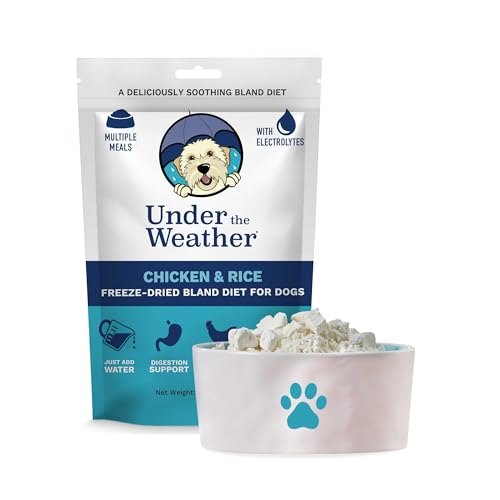
- Dietary management: A bland, easily digestible diet is often recommended during recovery. Your vet may suggest a prescription gastrointestinal diet or homemade bland food.
- Surgery: If a foreign body or tumor is found, surgery may be necessary to remove it.
Never give your dog human medications like ibuprofen or acetaminophen without veterinary guidance, as these can be toxic. If your dog is vomiting and you're unsure what to do, read our guide on what you can give a dog that keeps throwing up.
Home Care & Recovery
Once your dog has been seen by a vet and is stable, you can support their recovery at home with careful monitoring and proper care.
Feeding During Recovery
- Follow vet instructions: Your vet may recommend withholding food for a short period, then gradually reintroducing a bland diet.
- Small, frequent meals: Offering small amounts of food more often can help prevent an empty stomach and reduce bile accumulation.
- Bland diet: Boiled chicken and rice or a prescription gastrointestinal diet are common choices. Avoid fatty, spicy, or rich foods.
- Fresh water: Ensure your dog has access to clean water, but offer small amounts frequently if they tend to gulp.
Monitoring Your Dog
- Watch for recurring vomiting: If vomiting resumes or worsens, contact your vet immediately.
- Check gum color: Pink gums are normal; pale, white, or blue gums indicate a problem.
- Monitor energy levels: A dog that is improving should become more alert and active over time.
- Track bowel movements: Note any diarrhea or changes in stool consistency.
For dogs prone to morning bile vomiting, feeding a small meal right before bed can help. If your dog often throws up yellow foam in the morning, discuss a feeding schedule adjustment with your vet.
Preventing Future Episodes
While not all causes of vomiting bile with blood can be prevented, you can reduce the risk by following these guidelines:
- Feed a high-quality, balanced diet: Choose a food appropriate for your dog's age and health status. Avoid sudden diet changes.
- Prevent scavenging: Keep garbage, toxic foods, and small objects out of reach. Supervise your dog outdoors.
- Regular veterinary checkups: Annual exams can catch underlying health issues before they become serious.
- Maintain a healthy weight: Obesity increases the risk of many health problems, including digestive issues.
- Manage stress: Stress can contribute to digestive upset. Provide a stable routine and a safe environment.
- Parasite prevention: Use year-round flea, tick, and heartworm prevention as recommended by your vet. Explore effective flea and tick prevention options.
- Avoid dangerous foods: Keep chocolate, grapes, onions, and other toxic foods away from your dog. Learn more about dog care and nutrition.
Did You Know? Bilious vomiting syndrome is often managed simply by feeding your dog smaller, more frequent meals and avoiding long gaps between meals. Talk to your vet if your dog regularly vomits yellow bile.
Frequently Asked Questions
Final Thoughts
Vomiting yellow bile with blood is a serious symptom that warrants prompt veterinary attention. While it can be caused by relatively minor issues, it can also signal a life-threatening condition. Do not wait to see if it resolves on its own. Contact your veterinarian or an emergency clinic immediately, and follow their guidance for the best possible outcome for your dog. For more information on digestive issues, explore our related guides on throwing up with bloody diarrhea and bloody diarrhea with normal behavior.