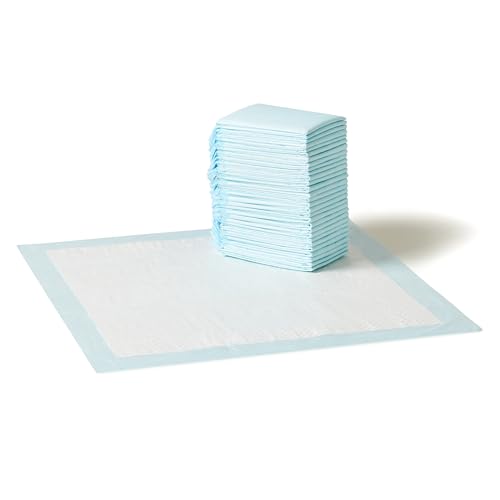
Puppy Pad Training: The Complete Guide
Master indoor potty training with this comprehensive guide. Learn proven methods, choose the best pads, and set your puppy up for success — whether you live in an apartment, have a busy schedule, or just want a reliable backup plan.
Puppy pad training is one of the most practical and effective ways to housebreak your new puppy, especially if you live in a high-rise apartment, have limited outdoor access, or work long hours. When done correctly, it teaches your puppy a reliable, designated spot to relieve themselves indoors, saving your floors and your sanity. This guide covers everything you need to know — from selecting the right pads to troubleshooting common challenges — so you and your puppy can enjoy a clean, stress-free home.
Why Use Puppy Pads?
Puppy pads offer a convenient, hygienic solution for indoor potty training. They are especially beneficial for owners of small breed dogs who may have tiny bladders, for those living in multi-story buildings without immediate outdoor access, or for puppies not yet fully vaccinated and therefore at risk of disease in public areas. A well-executed pad training routine also provides a consistent "safe zone" for your puppy, reducing anxiety and accidents.
Convenience & Accessibility
Ideal for apartments, condos, and homes without easy yard access. Place pads in a designated area and your puppy has a 24/7 bathroom option, no matter the weather or time of day.
Health & Safety
Puppies under 16 weeks are not fully vaccinated and can be exposed to dangerous diseases like parvo in public grassy areas. Pad training keeps them safe while still teaching good habits.
Ideal for Small Breeds
Toy and small breed dogs have smaller bladders and may need to go more frequently. Pads provide a reliable spot for those extra trips, especially helpful for elderly owners with mobility issues.
Flexibility for Busy Owners
For pet parents with demanding schedules, pads offer a backup solution. Your puppy can relieve themselves even when you’re not home, reducing accidents and stress for both of you.
Choosing the Right Puppy Pads
Not all puppy pads are created equal. The right pad can make training significantly easier, while a poor-quality pad can lead to leaks, odors, and frustration. Here’s what to look for:
- Absorbency & Leak-Proof Backing: Opt for pads with multi-layer construction and a polyethylene backing to prevent liquids from seeping onto your floors. Look for "extra absorbent" or "leak-proof" labels.
- Odor Control: Choose pads with built-in odor-neutralizing technology or charcoal layers to keep your home smelling fresh. Some pads also contain attractants to encourage your puppy to use them.
- Size Matters: Small pads (18x20 inches) may be fine for toy breeds, but larger breeds and active pups will need extra-large pads (28x30 inches or bigger) to ensure they hit the target every time.
- Eco-Friendly Options: Washable, reusable pads are a sustainable choice and can save money over time. They are also more durable and less likely to be shredded by an enthusiastic puppy.
- Training Trays: A pad holder or tray can keep the pad in place, prevent sliding, and contain any spills. This is especially useful if your puppy is a "digger" or likes to play with the pad.
Pro Tip: Start with a larger pad than you think you need, especially if you have a larger breed puppy. You can always cut them down, but a pad that's too small will lead to misses and frustration. Check out our top-rated puppy pads for our expert recommendations.
Step-by-Step Pad Training Process
Follow these proven steps to set your puppy up for success with pad training. Consistency and positive reinforcement are the keys to quick learning.
- Set Up a Designated Potty Area: Choose a quiet, easily accessible location (e.g., a corner of the kitchen or laundry room). Place the pad in a holder or tray to keep it secure. Consider using a puppy exercise pen to create a small, safe space.
- Introduce the Pad with Positive Association: Let your puppy sniff the pad. Use a cue word like "go potty" or "pad" every time you place them on it. Reward immediately with a treat and praise when they show interest or step on it.
- Schedule, Schedule, Schedule: Take your puppy to the pad after every meal, nap, play session, and first thing in the morning. Young puppies (under 12 weeks) may need to go every 30-60 minutes.
- Use a Cue and Wait Patiently: Say your cue word and wait calmly. If your puppy starts to sniff or circle (common signs they need to go), gently guide them to the pad. Avoid pushing or startling them.
- Reward Success Immediately: The moment your puppy finishes on the pad, give enthusiastic praise and a high-value treat. This reinforces the connection between using the pad and receiving something great.
- Handle Accidents Calmly: If you catch your puppy starting to go elsewhere, interrupt gently with a "no" or "ah-ah" and carry them to the pad. Clean up thoroughly with an enzymatic cleaner to remove all scent markers. Never punish accidents — it will only make your puppy afraid of you.
Creating a Potty Schedule That Works
A consistent schedule is the backbone of successful pad training. Here’s a sample schedule for an 8-12 week old puppy:
| Time of Day | Activity | Pad Trip |
|---|---|---|
| 7:00 AM | Wake up, go to pad immediately | ✅ |
| 7:30 AM | Breakfast | 🔜 (after meal) |
| 9:00 AM | Playtime / Training | ✅ (after play) |
| 12:00 PM | Lunch & water | ✅ (before & after) |
| 3:00 PM | Afternoon nap | ✅ (upon waking) |
| 6:00 PM | Dinner | ✅ (after meal) |
| 9:00 PM | Evening calm time | ✅ (last trip before bed) |
| 11:00 PM | Bedtime (remove water 1-2 hours prior) | ✅ (final trip) |
* Adjust times based on your puppy's age and needs. Puppies can generally hold their bladder for 1 hour per month of age (e.g., a 3-month-old can hold for ~3 hours).
Common Pad Training Mistakes and How to Avoid Them
Even well-intentioned owners can make mistakes that slow down the training process. Be aware of these common pitfalls:
- Placing Pads Too Far Apart or in the Wrong Spot: If your puppy can't find the pad easily, they'll go elsewhere. Keep the pad in a consistent, accessible location. Moving it frequently confuses them.
- Not Cleaning Accidents Properly: Using standard household cleaners won't remove the scent markers that attract dogs to repeat accidents. Always use a professional enzymatic cleaner to completely eliminate odors.
- Punishing Accidents: This creates fear and anxiety, making your puppy more likely to hide and eliminate in secret places. It also damages the trust you're building. Focus on rewarding correct behavior.
- Transitioning to Outdoor Too Quickly: Some puppies get confused if you switch from pads to outside too soon without a gradual transition. Once pad training is solid, slowly move the pad closer to the door, then outside.
- Using Pads with Confusing Attractants: Some pads come with built-in scents that can be overwhelming or confusing. If your puppy seems put off, try a different brand or unscented pads.
Transitioning from Pads to Outdoor Potty
For many owners, the ultimate goal is for their dog to go outside. Transitioning from pad training to outdoor potty can be smooth if done gradually. Here’s how:
- Start Moving the Pad: Once your puppy is reliably using the pad in one spot, slowly move the pad a few inches closer to the door each day.
- Move the Pad Outside: After the pad is by the door, place it just outside the door, still in its holder. Take your puppy out on a leash to the pad, give your cue, and reward success.
- Reduce Pad Size: Gradually cut smaller pieces of the pad and place them on the grass in a specific spot. This helps your puppy associate the outdoor area with potty time.
- Introduce an Outdoor Cue: Use a new cue like "go outside" or "potty" when you take them to the designated spot. Once they eliminate outside, praise and reward with the highest-value treat you have.
- Remove the Pad Entirely: After a week or two of consistent outdoor successes, remove the pad completely. Keep a backup pad handy for emergencies, but reinforce that outside is the primary potty location.
Patience is Key: Some puppies may regress during the transition. If your puppy has accidents inside, simply go back a step and reinforce. It's a process, not a race. With consistency and positive reinforcement, most puppies get the hang of it within a few weeks.
Frequently Asked Questions
Ready to Start Pad Training?
Investing in high-quality puppy pads and a consistent training routine will save you time, money, and frustration. Start with the essentials and build from there. Your puppy is counting on you to be patient and consistent. With the right approach, you'll have a perfectly pad-trained puppy in no time.