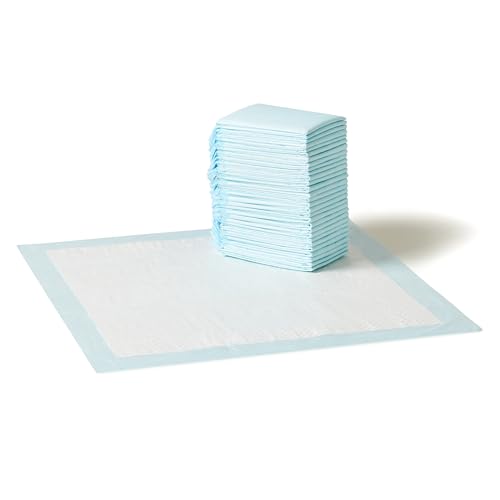
The Complete Puppy Pads Guide
Master the art of potty training with puppy pads. Learn how to choose the right pads, train your puppy effectively, avoid common mistakes, and make a seamless transition to outdoor bathroom breaks.
Puppy pads are one of the most effective tools for house training, especially for new puppy owners who live in apartments, work long hours, or have limited access to outdoor spaces. They provide a designated, hygienic spot for your puppy to relieve themselves, saving your floors and helping establish a consistent potty routine.
However, using puppy pads is not as simple as laying them down and hoping for the best. To be successful, you need to choose the right product, understand your puppy's needs, and follow a structured training plan. This guide covers everything you need to know to make puppy pads work for you and your furry friend.
How to Choose the Right Puppy Pads
Not all puppy pads are created equal. The market is flooded with options, and making the wrong choice can lead to leaks, odors, and a frustrated puppy. Here's what to look for:
- Absorbency & Leak-proof Layer: Look for multi-layer pads with a plastic backing. The top layer should wick moisture away to keep your puppy's paws dry, while the middle layer locks in liquid, and the bottom layer prevents leaks onto your floor.
- Built-in Attractant: Many high-quality pads are infused with a synthetic pheromone that naturally attracts puppies to eliminate on the pad. This speeds up the training process significantly.
- Size Matters: Choose a pad size that matches your puppy's breed. Small breed puppies can use standard pads (22" x 22"), while larger breeds may require extra-large or jumbo pads to ensure they hit the target.
- Non-Slip Backing: This is crucial for preventing the pad from sliding across smooth floors, which can be frightening for your puppy and cause them to avoid using it.
Pro Tip: For heavy-duty use or particularly leak-prone puppies, consider using a puppy pad holder or tray. This keeps the pad in place and adds an extra layer of protection against floor damage.
Types of Puppy Pads
| Type | Best For | Key Feature | Average Price |
|---|---|---|---|
| Disposable Standard | All puppies, general use | Affordable & absorbent | $25–$40 |
| Disposable with Attractant | Stubborn puppies, quick training | Synthetic pheromones | $35–$55 |
| Extra-Large / Jumbo | Large breed puppies | Generous surface area | $45–$70 |
| Washable / Reusable | Eco-conscious owners, long-term use | Environmentally friendly | $30–$80 |
| Pheromone-Infused & Training Spray | Transitioning to new spots | Attractant + training tool | $20–$30 |
How to Potty Train with Puppy Pads
Successful potty training is about consistency, patience, and positive reinforcement. Follow this step-by-step guide to get started on the right paw.
- Choose a Specific Location: Designate a quiet, easy-to-clean area for the pads. Avoid high-traffic areas or places where your puppy eats and sleeps. In an apartment, a corner of the kitchen or a bathroom works well.
- Establish a Routine: Puppies thrive on routine. Take your puppy to the pad immediately after waking up, after every meal, after play sessions, and before bedtime. These are the times when they most need to go.
- Use a Command: While your puppy is on the pad, use a consistent verbal command like "Go potty" or "Do your business." This will help them associate the action with the words, making it easier to get them to go on cue later.
- Praise and Reward: The moment your puppy finishes, reward them with a small, high-value treat and enthusiastic praise. This positive reinforcement is the key to teaching them that using the pad is a good thing. Learn more about effective puppy potty training techniques.
- Limit Access: When you can't supervise your puppy, keep them in a safe, confined space (like an exercise pen or crate) with the pad at one end. This prevents accidents elsewhere and reinforces that the pad is the bathroom area. A puppy exercise pen is an excellent tool for this.
- Be Patient with Mistakes: Accidents will happen. Clean them up with an enzymatic cleaner to remove the odor completely and prevent your puppy from going in that spot again. Never scold or punish your puppy for an accident; it will only make them fear you and hide their eliminations.
Key to Success: The more consistent you are, the faster your puppy will learn. If you're away for long periods, consider hiring a dog walker or using a dog feeder to maintain a routine. A well-established routine is your best tool in the training process.
Common Puppy Pad Mistakes to Avoid
Even with the best intentions, it's easy to make mistakes. Being aware of these common pitfalls will save you time and frustration.
- Using Pads That Are Too Small: If the pad is too small, your puppy might miss the edge, leading to floor accidents. Always choose a size that accommodates your puppy's current (and future) growth.
- Changing Pad Location Too Often: Moving the pad around confuses your puppy. Pick a spot and stick to it. If you must move it, do so in very gradual increments (a few inches per day).
- Not Using an Enzymatic Cleaner: Standard household cleaners don't eliminate the scent of urine or feces. Your puppy will be drawn back to those spots, making training much harder.
- Leaving a Dirty Pad Down: Puppies are clean animals by nature. If the pad is soaked, they won't want to stand on it, and they'll look for a cleaner spot. Change soiled pads promptly.
- Expecting Perfection Too Soon: Bladder control develops with age. A 2-month-old puppy has very little control, whereas a 4-6 month old puppy can hold it for longer periods. Patience is critical.
Transitioning from Pads to Outdoor Potty
For many owners, the ultimate goal is to have their dog eliminate outdoors. Transitioning away from puppy pads is a gradual process that requires patience and a clear plan.
Start the transition when your puppy is around 4-6 months old and has good bladder control. Here's a proven method:
- Move the Pad Closer to the Door: Over the course of a week, gradually move the pad towards the door you'll use to take them outside. This helps them associate the door with the act of going out.
- Place a Pad Just Outside the Door: Once the pad is at the door, start putting a pad just outside the door. For apartment dwellers, this might be on the balcony or in the hallway. This bridges the gap between indoor and outdoor.
- Establish a New Command: Use a new command for outdoor elimination, such as "Go outside." This helps distinguish indoor pad training from outdoor training.
- Take Them Out Frequently: At first, take your puppy out every 30-60 minutes. Use the new command and reward them heavily when they eliminate outside.
- Remove the Pad: Once your puppy consistently goes outside, you can remove the indoor pad completely. For the first few weeks, keep a pad in a backup location, but gradually phase it out.
Important: If you live in a high-rise apartment or have mobility issues, you might choose to use pads permanently. This is perfectly fine! The key is to be consistent in your training and keep the area clean. In this case, you may also want to look into dog diapers or a gate to help confine your dog when you're not supervising.
Frequently Asked Questions
Ready to Start Your Potty Training Journey?
Puppy pads are an invaluable tool for raising a well-trained, happy dog. By following the steps in this guide and avoiding common mistakes, you'll set your puppy up for success, protect your home, and build a stronger bond through clear, consistent communication. Invest in high-quality pads and a puppy pad holder from our recommended products below, and start your training today. A little patience now means a lifetime of good habits.