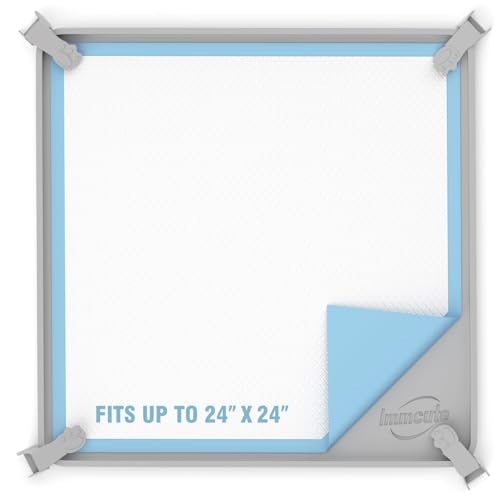
The Ultimate Puppy Pad Holder Guide
Find the perfect puppy pad holder to simplify potty training, protect your floors, and give your puppy a clean, consistent spot to go.
Bringing a new puppy home is an exciting time, but it also comes with challenges—and potty training is often at the top of the list. While puppy pads are a popular tool, they can be easily shredded, moved, or bunched up by an eager puppy. This is where a puppy pad holder becomes an essential accessory. It's a simple device that anchors the pad in place, preventing messes and confusion, and making the training process smoother for both you and your pup.
This guide will walk you through everything you need to know about puppy pad holders. We'll cover the benefits, key features to look for, how to choose the right one, and how to integrate it into a successful potty training routine. By the end, you'll be confident in choosing the best holder for your needs and setting your puppy up for success.
Why Use a Puppy Pad Holder?
A puppy pad holder is more than just a plastic tray; it's a training aid that solves several common problems.
- Prevents Shredding and Chewing: Puppies explore the world with their mouths. A holder keeps the pad securely fastened, stopping them from tearing it apart and making a huge mess.
- Keeps the Pad in Place: An unsecured pad can slide across the floor when your puppy steps on it, which can confuse them and cause accidents. A holder with a non-slip bottom provides a stable surface.
- Protects Your Floors: High-quality holders have raised edges or a built-in tray that catches any overflow or urine that misses the pad, protecting your floors from stains and damage.
- Promotes Consistent Training: By creating a defined, consistent "potty spot," the holder helps your puppy understand exactly where they are expected to go, which speeds up the potty training process.
- Easy Cleanup: When it's time to change the pad, a holder makes the process quick and sanitary. Simply unclip the pad, dispose of it, and place a new one in the tray.
Key Features to Look For
Not all puppy pad holders are created equal. When shopping for one, consider the following features to find the best option for your puppy and your home.
Material & Durability
Most holders are made from durable plastic or metal. Plastic holders are lightweight, affordable, and easy to clean. Metal holders (often coated to prevent rust) are more robust and durable, making them a good choice for larger or more energetic puppies.
Size Compatibility
Puppy pads come in various sizes. Your holder must be designed to fit the standard size of pad you plan to use (e.g., 22 x 22 inches or 24 x 24 inches). Some holders are adjustable to accommodate different pad sizes, which offers great flexibility.
Non-Slip Base
A non-slip base is crucial. Whether it's rubber feet or a textured bottom, this feature prevents the holder from sliding across the floor when your puppy steps in or out of the tray, which is essential for maintaining their confidence.
Raised Edges or Tray
Raised edges or an integrated tray help contain any liquid that misses the pad. This feature is especially important if you have hardwood floors or carpets, as it protects them from urine damage.
Ease of Cleaning
Look for a holder with a smooth, non-porous surface that can be easily wiped down or washed. Some models feature a mesh or grid top that allows urine to pass through while keeping the puppy's feet dry, making cleanup even easier.
How to Use a Puppy Pad Holder for Successful Training
Simply having a holder isn't enough. You need to use it correctly as part of a structured training routine. Here’s a step-by-step guide to help you get started.
- Choose the Right Location: Place the holder with the pad in a quiet, low-traffic area that is easily accessible for your puppy. Avoid placing it near their bed or food bowls.
- Introduce Your Puppy: Lead your puppy to the pad holder frequently, especially after meals, naps, and playtime. Use a command like "go potty" and reward them immediately when they use it correctly.
- Encourage Exploration: Let your puppy sniff and investigate the pad holder to get comfortable with it. You can use a positive reinforcement approach by offering praise and treats when they show interest.
- Maintain a Consistent Schedule: Puppies thrive on routine. Take them to the pad holder at the same times every day to build a predictable habit. This is a key part of the bladder control development.
- Clean Accidents Thoroughly: If your puppy has an accident elsewhere, clean it with an enzymatic cleaner to remove the smell. This prevents them from associating that spot with potty time.
- Gradually Reduce Pad Area: As your puppy becomes more reliable, you can gradually reduce the size of the pad or the number of pads you place in the holder to encourage them to be more precise.
Training Tip: Be patient and never punish your puppy for accidents. Punishment creates fear and can delay the potty training process. Instead, focus on rewarding success and managing the environment to set them up for victory. Consistency and positive reinforcement are your best tools.
Choosing the Right Pad Holder for You
To help you decide, it's helpful to think about your specific needs. Are you looking for something basic and budget-friendly, or do you need a heavy-duty, leak-proof solution for a large breed puppy?
Consider This: If you have a particularly energetic puppy who loves to chew, a metal holder with a secure locking mechanism might be your best bet. If you need something for travel, a lightweight, foldable plastic holder is more practical.
For a small-breed dog in an apartment, a standard-size holder with a simple clip design may be more than sufficient. For a large-breed puppy prone to flooding the pad, you'll want a large-size holder with a high-quality leak-proof tray and maybe even an added moisture-catching layer.
Frequently Asked Questions
Still Not Sure Which Pad Holder to Choose?
Browse the recommended products below. We've curated a selection of the best puppy pad holders available, based on quality, durability, and customer reviews. Once you see the options, you'll be ready to pick the perfect one for your puppy and start your potty training journey with confidence. For more training advice, check out our guides on training your puppy to use a pad and general potty training.