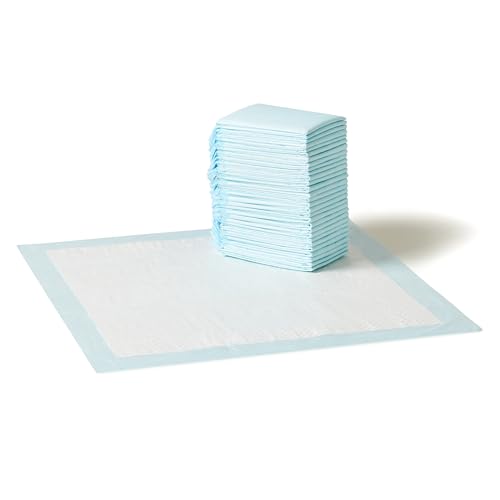
How to Train a Puppy to Pee and Poop on Pad
A complete, step-by-step guide to potty pad training. Whether you live in an apartment, work long hours, or simply want a clean and convenient solution, this guide covers everything you need to know.
Introduction to Puppy Pad Training
Puppy pad training is a popular and effective method for housebreaking your new puppy. It's especially useful if you live in an apartment without easy access to a yard, or if you work long hours and can't take your puppy outside frequently. The core concept is simple: you teach your puppy to eliminate on a designated, absorbent pad rather than on your floors or carpets. While some purists prefer outdoor-only training, pad training offers a practical and flexible solution for many dog owners.
This guide will walk you through every aspect of pad training, from gathering the right supplies to creating a consistent schedule. By the end, you'll have a clear, actionable plan to make potty pad training a smooth and stress-free experience for both you and your puppy. For a broader view on puppy potty training, you can explore our complete guide. If you're dealing with specific issues like how to train your puppy not to poop in the house, you'll find dedicated advice there as well.
Pros and Cons of Using Puppy Pads
Before you start, it's helpful to understand the advantages and disadvantages of pad training. This will help you decide if it's the right method for your situation.
Pros
- Convenience: Pads provide a designated, clean spot for your puppy to go, especially in apartments or during bad weather.
- Consistency: They help maintain a predictable routine, which is crucial for young puppies still developing bladder control.
- Ideal for Puppies: For very young puppies who can't hold it for long, pads are a lifesaver. Check out our guide on puppy bladder control to understand their limitations.
- Good for Senior Dogs: Pads are also helpful for senior dogs who may have difficulty going outside due to mobility issues.
Cons
- Confusion for Puppies: Some puppies may struggle to differentiate between pads and other soft surfaces like rugs or carpets.
- Transition to Outside: If you plan to eventually transition your dog to going outside, it requires a secondary training phase.
- Cost: Recurring cost of purchasing pads can add up over time.
- Messy: Pads can be torn up by playful puppies, creating a mess.
If you decide pad training is right for you, choosing the right products makes a big difference. You can find high-quality puppy pads and puppy pad holders on our recommended products page.
Essential Supplies for Success
Having the right tools before you start will make the training process much smoother. Here's what you'll need:
- Puppy Pads: Choose high-quality, absorbent pads with a leak-proof backing. Consider the size of your puppy when choosing pad dimensions. For a list of top-rated options, visit our puppy pads training product page.
- Puppy Pad Holder: This is an optional but highly recommended tool. A holder keeps the pad securely in place and prevents your puppy from tearing it up. It also helps define a clear "potty zone."
- Enzymatic Cleaner: A cleaner that breaks down the proteins in urine and feces is essential for eliminating odors. This helps prevent your puppy from returning to the same spot (on the floor) to eliminate again. For more tips on handling accidents, see our article on what to do when your dog has accidents.
- Small Treats: Have a stash of high-value, tiny treats ready for rewarding your puppy when they use the pad correctly.
- Patience and Consistency: This is the most crucial supply. Potty training takes time and patience. Consistency is the key to success.
You can find all these essentials in our curated list of dog products, designed to make pet care easier.
Step-by-Step Training Guide
Follow these steps to establish a reliable pad-training routine with your puppy.
Choose a "Potty Zone"
Select a specific, easy-to-clean area in your home for the pad. This should be a place where your puppy spends a good amount of time. Common choices include a corner of the kitchen, a laundry room, or a bathroom. Once you pick a spot, stick to it.
Introduce the Pad
Place the pad in the designated spot. Let your puppy sniff and investigate it. You can even guide them onto the pad and reward them with a treat for simply stepping on it. This helps create a positive association with the pad itself.
Establish a Schedule
Take your puppy to the pad frequently—especially first thing in the morning, after naps, after meals, and after play sessions. Puppies have tiny bladders and need many opportunities to go. A consistent schedule is the backbone of potty training.
Use a "Potty Command"
As you bring your puppy to the pad, use a consistent verbal cue like "Go potty" or "Do your business." In time, your puppy will associate the command with the action, which is very useful.
Reward and Praise
The moment your puppy eliminates on the pad, give them immediate, enthusiastic praise and a treat. This positive reinforcement is the most effective way to teach a new behavior. The reward must be immediate for your puppy to connect it to the action.
Handle Accidents Calmly
If you catch your puppy in the act of going elsewhere, calmly interrupt them with a gentle "uh-oh" and guide them to the pad. If you find an accident after the fact, simply clean it up thoroughly with an enzymatic cleaner. Do not rub your puppy's nose in it or punish them; this will only create fear and confusion.
Creating a Potty Schedule
Consistency is the single most important factor in potty training. Here's a sample schedule for a young puppy (8-12 weeks old). Adjust the times based on your puppy's age and habits.
| Time | Activity |
|---|---|
| 7:00 AM | Wake up, take to pad immediately. |
| 7:15 AM | Feed breakfast. Playtime for 10-15 minutes. |
| 7:30 AM | Take to pad again (or wait 10-15 minutes after eating). |
| 9:00 AM | Mid-morning pad visit. |
| 11:00 AM | Mid-day pad visit. |
| 12:00 PM | Feed lunch. Pad visit 15-20 minutes later. |
| 2:00 PM | Afternoon pad visit. |
| 5:00 PM | Evening pad visit (after work). |
| 6:00 PM | Feed dinner. Pad visit 15-20 minutes later. |
| 8:00 PM | Evening pad visit. |
| 10:00 PM | Last pad visit before bed. |
Remember, puppies have tiny bladders. A general rule is that they can hold their bladder for one hour per month of age (up to about 8-9 hours for adults). You should also take your puppy to the pad any time they show signs of needing to go, such as sniffing the ground, circling, or whining. For more tips on managing your puppy's schedule, read our guide on how to train a puppy while working full-time.
Troubleshooting Common Problems
Even with the best intentions, you might encounter some bumps along the road. Here are common issues and how to solve them:
- Puppy tears up the pad: This is often a sign of boredom or confusion. Use a puppy pad holder to keep it secure. You can also provide alternative puppy chew toys to redirect their chewing behavior.
- Puppy poops next to the pad, not on it: This is very common. Thoroughly clean the area with an enzymatic cleaner. Then, place the pad over the spot where they went. If they choose a new spot, move the pad there. Gradually, you can shift the pad back to your desired location by moving it a few inches each day. For a related issue, see our guide on how to train a puppy to poop in one place.
- Puppy uses pads and then stops: This could be due to a change in the pad's location, a new scent in the area, or a health issue. Check for any changes in the environment. If the behavior persists, a vet visit might be in order to rule out a urinary tract infection.
- Puppy is having accidents in other parts of the house: This often means the "potty zone" is too large. Limit your puppy's access to the rest of the house. Use baby gates to confine them to the room with the pad. You can find high-quality dog gates to help with this. Also, consider using an puppy exercise pen to create a safe, controlled space.
Important: If your puppy is consistently having accidents or seems to have lost all training, a visit to the vet is always a good idea to rule out any underlying health issues.
Frequently Asked Questions
Ready to Start?
Potty pad training is a practical and effective solution for many dog owners. By following the steps in this guide, maintaining a consistent schedule, and using positive reinforcement, you'll set your puppy up for success. Remember, patience is key. Your puppy is learning a new skill, and your support and understanding will make all the difference. If you ever feel stuck, don't hesitate to consult a professional trainer or your vet for personalized advice.