How to Train a Puppy While Working Full Time
A proven schedule, crate training, potty pads, and mental stimulation strategies for busy professionals — raise a happy, well-adjusted puppy without losing your job or your sanity.
Training a puppy while working full time seems impossible — but it's absolutely achievable with the right plan. Thousands of busy professionals raise well-adjusted, house-trained dogs using a combination of crate training, puppy pads, and smart scheduling. The key is consistency, preparation, and understanding that your puppy's needs change as they grow.
This guide walks you through a step-by-step system that works around your 9-to-5 schedule. You'll learn how to set up your home, create a daily routine, and use proven training techniques so your puppy learns quickly — even when you're not there.
💡 The Reality Check: Puppies under 6 months cannot hold their bladder for a full workday. You will need help — a dog walker, pet sitter, daycare, or a neighbor. This guide shows you exactly how to integrate that help into your training plan.
The Reality of Working Full Time with a Puppy
Let's be honest: raising a puppy is a full-time job in itself. But with a structured approach, you can successfully train your puppy while working full time. The average American works 8 hours a day — plus commute. That's 9-10 hours away from home. A puppy under 6 months can only hold their bladder for about 1 hour per month of age (e.g., a 3-month-old can hold it for about 3 hours).
This means you must arrange for a mid-day break. Options include:
- Dog walker or pet sitter: Hire a professional to come mid-day for a 20-30 minute potty break and play session.
- Doggy daycare: 2-3 days a week can tire your puppy out and provide socialization.
- Work from home arrangement: If possible, work from home for the first 2-3 weeks to establish routines.
- Family or neighbor: A trusted friend who can let your puppy out at lunchtime.
🐾 Pro Tip: Start on a Friday
Bring your puppy home on a Friday evening. You'll have the entire weekend to establish routines, start crate training, and bond before the workweek begins. This gives your puppy 2-3 days to adjust before being left alone.
Home Setup: Crate, Pads & Safe Zones
Setting up your home correctly is the single most important step before you bring your puppy home. A well-designed space prevents accidents, reduces anxiety, and makes training faster.
The Essential Setup Checklist
- Crate – just big enough to stand, turn, and lie down
- Puppy pads – placed in a designated area away from the crate
- Puppy exercise pen – for a safe play area when you're home
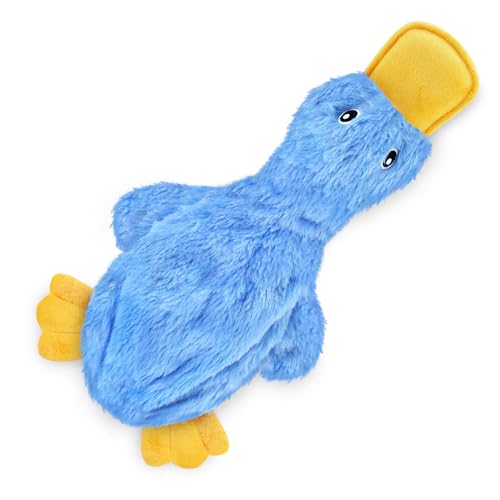
- Chew toys – to prevent destructive chewing
- Puzzle toys – for mental stimulation while you're away
- Baby gates – to restrict access to safe rooms
- Water bowl – attachable to the crate (avoid spills)
- Camera – to check on your puppy during the day
For crate training, choose a crate that's snug but not cramped. Many experts recommend a crate with a divider so it grows with your puppy. Place the crate in a quiet corner of your bedroom or living room — not in a high-traffic area.
For potty training, set up a puppy pad training station in a laundry room or bathroom. Use a puppy pad holder to prevent your puppy from shredding the pads. Consistency in location is critical — your puppy will learn to associate that spot with elimination.
The Ideal Daily Schedule (With Times)
A consistent schedule is the backbone of successful training while working full time. Here's a sample schedule for a 3-4 month old puppy, assuming you leave for work at 8:00 AM and return at 5:30 PM.
Sample Daily Schedule (Weekday)
Adjust times based on your commute and work hours. The key is consistency — do the same thing every day.
If you cannot afford a dog walker daily, consider doggy daycare 2-3 days a week. Daycare provides socialization, exercise, and potty breaks — and your puppy will come home tired and happy. For more tips, see our guide on puppy socialization.
Crate Training Fundamentals
Crate training is the single most effective tool for working owners. When done correctly, your puppy views the crate as their safe den — not a prison. A crate-trained puppy is less anxious, sleeps better, and learns to hold their bladder longer.
How to Crate Train Successfully
- Make the crate positive: Feed meals inside the crate, toss treats in, and let your puppy explore freely. Never force them in.
- Start short: Close the door for 5-10 minutes while you're home, then gradually extend the time.
- Ignore crying (mostly): If your puppy cries, wait for a pause of 2-3 seconds before letting them out. This teaches them that quiet = freedom.
- Never use the crate for punishment: The crate should always be a positive place.
- Cover the crate: A light blanket over the top (leaving ventilation) creates a cozy den environment.
For more detailed instructions, read our complete guide on how to train a puppy to sleep in his crate. This is especially important if your puppy wakes up during the night.
⏰ Crate Duration Guidelines
- 2 months old: 1-2 hours max
- 3 months old: 2-3 hours max
- 4 months old: 3-4 hours max
- 5 months old: 4-5 hours max
- 6+ months: 6-8 hours max (with a mid-day break for workdays)
These are maximums — always provide a mid-day potty break if you're gone longer than your puppy's age-appropriate limit.
Potty Training with Puppy Pads
When you work full time, relying solely on outdoor potty breaks is impractical — especially for young puppies. Puppy pads are a practical solution that bridges the gap until your puppy can hold it longer.
How to Use Puppy Pads Effectively
- Designate one spot: Put the puppy pads in a consistent location (e.g., a laundry room). Use a puppy pad holder to prevent shredding.
- Use attractant spray: Many pads come with a scent that encourages elimination. You can also use a few drops of your puppy's urine to mark the spot.
- Reward success: Every time your puppy uses the pad, give a treat and praise. This reinforces the behavior.
- Gradually reduce pad size: As your puppy gets older, start cutting the pads in half, then move to a single pad, and eventually transition to outdoor potty breaks only.
Many owners worry that puppy pads will confuse their dog. The key is to transition gradually. Start with pads, then move the pad closer to the door, then replace the pad with outdoor trips. For a complete step-by-step, see our guide on puppy potty training.
⚠️ Important: Never punish your puppy for accidents. If you find a mess, clean it up with an enzymatic cleaner and adjust your schedule. Punishment only teaches fear — not where to go.
Mental Stimulation While You're Away
A bored puppy is a destructive puppy. When you're at work, your puppy needs mental stimulation to stay calm and avoid developing bad habits like chewing, barking, or digging.
Best Toys for Alone Time
- Frozen Kong toys: Fill with peanut butter, yogurt, or wet food and freeze overnight. This lasts 30-60 minutes and is mentally exhausting.
- Puzzle toys: Interactive feeders that require your puppy to solve a puzzle to get treats. Great for puzzle toys for dogs.
- Snuffle mats: Hide kibble in fabric strips. Your puppy uses their nose to find food, which is naturally calming.
- Chew toys: Durable chew toys like chew toys for dogs keep teeth clean and satisfy the urge to gnaw.
- Treat-dispensing balls: Your puppy rolls the ball to release treats — physical and mental exercise combined.
Rotate toys daily to keep them interesting. On weekends, you can introduce more advanced interactive dog toys to challenge your puppy's problem-solving skills.
Weekend Training Catch-Up
Weekends are your golden opportunity to accelerate training and reinforce what your puppy learned during the week. Use these 2 days to practice commands, improve socialization, and build your bond.
Weekend Training Plan
- Practice basic commands: Spend 10-15 minutes twice a day on puppy basic commands like sit, stay, and come. Use high-value treats.
- Socialization outings: Take your puppy to a pet-friendly store or a friend's house. Practice calm behavior in new environments.
- Potty training reinforcement: Increase the distance from the potty pad to the door. Reward successful outdoor potty trips.
- Crate training games: Play "crate games" — toss treats in, close the door for 1 minute, then release. Make the crate fun.
- Leash walking: Start loose leash walking in your yard or a quiet street. Keep sessions short (10-15 minutes).
If your puppy shows signs of separation anxiety, use weekends to practice short departures (1 minute, 5 minutes, 10 minutes) while you're still home. This builds your puppy's confidence that you will return.
Common Mistakes to Avoid
Even well-meaning owners make mistakes. Here are the most common pitfalls when training a puppy while working full time — and how to avoid them.
- Leaving a puppy alone too long: Puppies under 6 months cannot hold their bladder for 8 hours. Always arrange a mid-day break.
- Using the crate as punishment: If your puppy fears the crate, training will fail. Make the crate a positive space.
- Inconsistent rules: If one family member allows jumping and another doesn't, your puppy will be confused. Everyone must follow the same rules.
- Not providing enough mental stimulation: A tired puppy is a good puppy. Use puzzle toys and Kong dog toys to keep their mind busy.
- Skipping potty breaks during the night: Young puppies need a potty break every 2-3 hours overnight. Set an alarm.
- Overfeeding treats: Treats are for training, not for every whim. Use small, low-calorie treats to avoid weight gain.
If you find yourself struggling, consider hiring a professional trainer who offers virtual sessions. Sometimes a few expert tips can make all the difference. Check our guide on when to hire a trainer.
Frequently Asked Questions
🐶 You Can Do This!
Training a puppy while working full time is challenging but absolutely doable. The key ingredients are a solid schedule, crate training, puppy pads, and help during the day. Start with the weekend to establish routines, and use the first week to fine-tune your schedule. Your puppy will adapt — and before you know it, you'll have a well-behaved companion who fits perfectly into your life.
If you're still feeling overwhelmed, remember: every dog owner has been where you are. Take it day by day, celebrate small wins, and don't hesitate to reach out to a professional if needed. You've got this!