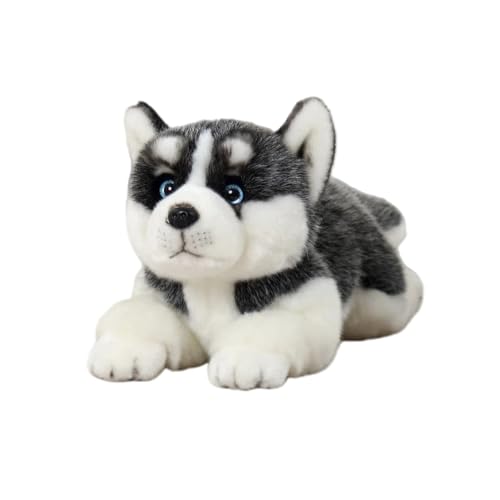
Siberian Husky Puppies: The Complete Owner's Guide
Everything you need to know about raising, training, and caring for your Siberian Husky puppy. From their energetic nature to their unique needs, we've got you covered.
Owning a Siberian Husky is a rewarding experience, but it's also a significant commitment. These beautiful, wolf-like dogs are known for their striking blue eyes, thick coats, and boundless energy. However, their intelligence and independent nature require an experienced, dedicated owner who can provide proper training, exercise, and care. This guide covers everything you need to know to raise a happy, well-behaved Siberian Husky puppy.
Breed Overview & History
The Siberian Husky originated in Northeast Asia, where they were bred by the Chukchi people to pull sleds over long distances. They are known for their endurance, speed, and ability to thrive in harsh, cold climates. Today, Huskies are beloved family pets, but their working instincts remain strong.
- Size: Medium; males 45-60 lbs, females 35-50 lbs
- Height: Males 21-23.5 inches, females 20-22 inches
- Coat: Thick double coat, sheds heavily twice a year
- Colors: Black, gray, red, sable, and white, with a variety of markings
- Lifespan: 12-14 years
Key Traits: Siberian Huskies are friendly, gentle, and outgoing. They are not guard dogs; they love everyone they meet. Their high prey drive means they should never be trusted off-leash in an unfenced area.
Buying a Husky Puppy: Cost & Breeders
Finding a reputable breeder is the most important step in bringing home a healthy, well-adjusted Husky puppy. Avoid pet stores and online ads that may come from puppy mills.
- Reputable Breeder Checklist: Visit the breeder in person, meet the puppy's parents, and ask about health clearances (hips, eyes, and genetic testing). A good breeder will ask you just as many questions as you ask them.
- Puppy Price Range: $800–$2,500. Prices depend on pedigree, location, and breeder reputation. Show-quality puppies can cost significantly more.
- Adoption Option: Consider adopting a Husky from a rescue or shelter. Many wonderful Huskies are in need of homes, and the adoption fee (typically $200–$500) is much lower.
Pro Tip: Ask the breeder about the puppy's parents' temperament. Huskies are pack-oriented and often do best in active households. Use our guide on how to find a reputable dog breeder for more detailed advice.
Nutrition & Feeding Guidelines
Huskies have efficient metabolisms and can be prone to weight gain if overfed. A high-quality, large-breed puppy food is essential during their rapid growth phase.
Puppy Feeding Schedule
- 8-12 weeks: 3-4 meals per day
- 3-6 months: 3 meals per day
- 6-12 months: 2 meals per day
- Adult (12+ months): 2 meals per day
What to Look For in Food
- High-quality protein: Chicken, lamb, fish, or beef as the first ingredient
- Healthy fats: Omega-3 and omega-6 fatty acids for skin and coat
- Balanced calcium/phosphorus: Crucial for bone development in large breeds
- Avoid: Corn, wheat, soy, and artificial preservatives
For detailed food recommendations, see our guide on large breed puppy food and how to transition dog food safely.
Training: Husky-Specific Tips
Huskies are intelligent but notoriously stubborn. They were bred to think independently, which can make training challenging. However, with consistency, patience, and positive reinforcement, they can learn a wide range of commands.
- Start Early: Begin training and socialization as soon as you bring your puppy home. Enroll in a puppy class that uses positive reinforcement methods.
- Be Consistent: Use the same commands and rules every time. Huskies are quick to spot inconsistencies.
- Keep Sessions Short: Huskies can get bored easily. Keep training sessions to 5-10 minutes, several times a day.
- Use High-Value Rewards: Since they are often food-motivated, use small, tasty treats (like boiled chicken or cheese) to keep their attention.
- Recall Training: The "come" command is vital for safety. Practice in a secure area with a long leash. Never punish your Husky for coming to you, even if they took their time.
Important: Huskies are escape artists. A secure, high fence (at least 6 feet) is a must. They are excellent diggers, so consider burying the fence line or using concrete pavers. Our guide on house training provides essential techniques for all puppies.
Exercise & Mental Stimulation
Bored Husky puppies quickly become destructive. They need a job to do, and without adequate physical and mental stimulation, they will find their own (usually undesirable) ways to entertain themselves.
- Daily Exercise: At least 1-2 hours of vigorous activity. This should include a mix of walks, off-leash running in a fenced area, and playtime.
- Mental Stimulation: Puzzle toys, treat-dispensing balls, and scent work are excellent ways to tire out a Husky's sharp mind.
- Canine Sports: Consider activities like bikejoring, skijoring, or agility to channel their sled-pulling instincts in a structured way.
Safety Tip: Avoid strenuous exercise during hot weather. Huskies are built for cold climates and can overheat easily. Exercise them during the cooler parts of the day (early morning or evening) and always provide plenty of water.
Health & Common Issues
Siberian Huskies are generally a healthy breed, but they are prone to certain genetic conditions. Responsible breeders screen for these issues.
- Hip Dysplasia: A common issue in large breeds. Ensure your puppy's parents have OFA or PennHIP clearance.
- Eye Conditions: Cataracts, progressive retinal atrophy (PRA), and corneal dystrophy. Annual eye exams are recommended.
- Hypothyroidism: Can cause skin problems and weight gain. Treatable with medication.
- Zinc Deficiency: Can cause skin lesions, especially on the face. Often genetic.
- Preventive Care: Regular vet check-ups, vaccinations, and parasite prevention are crucial. Learn about rabies vaccine and pet insurance to manage health costs.
Grooming & Shedding Management
Huskies have a thick double coat that sheds year-round and "blows" twice a year (in spring and fall), filling your house with tumbleweeds of fur. Regular grooming is non-negotiable.
- Brushing: Brush at least 2-3 times a week with an undercoat rake and a slicker brush. Daily brushing is recommended during heavy shedding seasons.
- Bathing: Only when necessary (every 2-3 months) as over-bathing strips their skin of natural oils.
- Nails & Ears: Trim nails every 2-4 weeks and check ears weekly for signs of infection.
- Dental Care: Brush teeth regularly with a dog-specific toothpaste to prevent dental disease.
Explore our complete dog grooming guide and best dog brushes for tool recommendations.
Essential Gear & Products
Before bringing your Husky puppy home, you'll need to invest in a few key items to make their transition smooth and to keep them safe and comfortable.
- Sturdy Harness: Essential for walks to prevent pulling and escape attempts. A front-clip harness can help with loose-leash training.
- Heavy-Duty Leash: A 6-foot leash is ideal. A 30-foot long line is useful for training recall in a safe, open area.
- Large Crate: A wire crate with a divider allows the crate to grow with your puppy.
- Puzzle Toys: Kongs, treat balls, and puzzle boards to keep their intelligent minds occupied.
- High Fence: A 6-foot fence with a dig guard is a must.
Check out our top picks for dog harnesses, dog crates, and interactive toys.
Frequently Asked Questions
Ready to Bring Home Your Husky?
Siberian Huskies are incredible companions for the right family. They require a significant investment of time, energy, and patience. By following this guide, you're taking the first step toward being a knowledgeable, responsible Husky owner. After reading, you are now equipped to make informed decisions about training, nutrition, and gear. Use the product recommendations above to prepare for your new furry family member. Remember, a well-cared-for Husky is a loyal, loving, and unforgettable friend for life.