What Should Dogs Not Eat?
Some of the most common human foods are dangerously toxic to dogs. Knowing what to keep out of reach — and what to do in an emergency — can save your dog's life.
Your dog's digestive system is fundamentally different from yours. Foods that humans enjoy without a second thought can cause severe illness, organ damage, or even death in dogs. The problem is that many toxic foods are everyday items found in almost every kitchen — chocolate in the pantry, grapes on the counter, onions in a casserole.
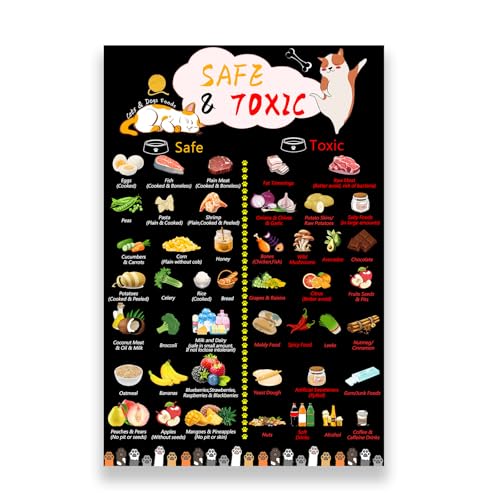
This guide breaks down exactly what dogs should not eat, why each food is dangerous, and what symptoms to watch for. It is organized by severity so you can prioritize what to keep strictly out of reach. Whether you are a new dog owner or have lived with dogs for years, review this list carefully — even experienced owners are surprised by some of the entries.
Quick Summary: The most dangerous foods for dogs are chocolate, grapes and raisins, xylitol (artificial sweetener), onions and garlic, macadamia nuts, alcohol, and caffeine. These can cause organ failure or death even in small amounts. Keep them completely inaccessible and never feed them intentionally.
Why Some Foods Are Toxic to Dogs
Dogs evolved as scavengers and carnivores, but their bodies did not evolve to process the same compounds that humans can. Several factors make certain foods dangerous:
- Different metabolism: Dogs lack certain liver enzymes that humans have, so they cannot break down compounds like theobromine (in chocolate) or allicin (in garlic) efficiently. These substances build up to toxic levels.
- Small body size: A toxic dose for a dog is often much smaller than for a human. A single piece of sugar-free gum can be fatal to a small breed.
- Kidney and liver sensitivity: Dogs' organs are more vulnerable to certain toxins. Grapes, for example, can trigger acute kidney failure in dogs but are harmless to humans.
- No vomiting reflex for many toxins: Humans often vomit after eating something harmful, expelling the toxin. Dogs are less likely to do this, allowing more absorption into the bloodstream.
Understanding the "why" helps you take the risk seriously. A food that causes mild stomach upset in a person can be a life-threatening emergency for a dog. For a broader look at safe feeding, see our complete dog food guide.
The Most Dangerous Foods (Life-Threatening)
These foods can cause death or permanent organ damage. Even tiny amounts warrant an immediate call to your veterinarian or pet poison control.
Chocolate
Contains theobromine and caffeine, which dogs cannot metabolize. Dark chocolate and baking chocolate are the most dangerous. Symptoms include vomiting, diarrhea, rapid heart rate, tremors, seizures, and death.
Rule: No chocolate in any form. Keep all chocolate products locked away.
Grapes & Raisins
Cause acute kidney failure in dogs. The toxic mechanism is not fully understood, and individual sensitivity varies — some dogs react to a single grape. Symptoms include vomiting, lethargy, and decreased urination.
Rule: No grapes, raisins, currants, or foods containing them (cookies, trail mix, cereal).
Xylitol
An artificial sweetener in sugar-free gum, candy, baked goods, and some peanut butter. Causes massive insulin release, leading to severe hypoglycemia, seizures, and liver failure. Even one piece of gum can kill a small dog.
Rule: Read labels on all sugar-free products. Check peanut butter brands before feeding.
Onions, Garlic & Alliums
Onions, garlic, leeks, shallots, and chives damage red blood cells, causing hemolytic anemia. Symptoms may be delayed for several days: weakness, pale gums, dark urine. All forms are toxic — raw, cooked, powdered, dehydrated.
Rule: No onion or garlic in any form, including broth and seasoning.
Alcohol
Even small amounts of beer, wine, liquor, or fermented foods can cause severe intoxication, seizures, respiratory failure, and death. Dogs are far more sensitive to alcohol than humans.
Rule: No alcoholic beverages, no raw bread dough (which ferments into alcohol in the stomach).
Macadamia Nuts
Cause weakness, tremors, vomiting, and hyperthermia in dogs. The toxic compound is unknown, but even a few nuts can trigger symptoms within 12 hours. Most dogs recover with supportive care, but severe cases can be fatal.
Rule: No macadamia nuts or mixed nuts containing them.
Caffeine
Coffee, tea, energy drinks, and caffeine pills cause rapid heart rate, hyperactivity, tremors, seizures, and potentially death. A few laps of coffee can seriously harm a small dog.
Rule: No coffee, tea, soda, energy drinks, or caffeine supplements.
Avocado
Contains persin, which is toxic to many animals. In dogs, the fruit flesh is less toxic than the pit and skin, but the large pit poses a choking and obstruction hazard. Symptoms include vomiting and diarrhea.
Rule: Avoid feeding avocado; keep the fruit and pits out of reach.
Emergency Note: If your dog has eaten any of the foods above, do not wait for symptoms. Call your veterinarian or an animal poison control hotline immediately. Time is critical for decontamination and treatment.
Moderately Dangerous Foods
These foods are less likely to be fatal but can cause significant illness, discomfort, or long-term health problems. They should still be kept away from your dog.
Dairy Products
Many dogs are lactose intolerant. Milk, cheese, and ice cream can cause diarrhea, vomiting, and abdominal pain. Small amounts of plain yogurt or hard cheese may be tolerated by some dogs, but dairy should not be a regular part of their diet.
Salty Snacks
Potato chips, pretzels, and salted nuts can cause excessive thirst and urination, and in large amounts, sodium ion poisoning. Symptoms include vomiting, diarrhea, depression, tremors, and seizures.
Fatty Foods
Bacon, sausage, fried foods, and fatty cuts of meat can trigger pancreatitis — a painful and potentially life-threatening inflammation of the pancreas. Even small amounts of rich, fatty food can cause problems in sensitive dogs.
Raw Meat & Fish
Raw meat and fish can carry bacteria like Salmonella and E. coli, as well as parasites. Some fish, especially salmon, contain a parasite that is deadly to dogs if not properly cooked. If you feed a raw diet, source from reputable suppliers and follow strict hygiene practices.
Raw Eggs
Raw eggs may contain Salmonella and avidin, a protein that interferes with biotin absorption and can cause skin and coat problems. Cooked eggs are safe and nutritious in moderation.
Persimmons, Peaches & Plums
The seeds and pits of these fruits contain cyanide and can cause intestinal blockages. The fruit itself is safe in small amounts, but the pits are dangerous.
Foods to Watch Carefully
| Food | Risk Level | Why It's Dangerous | Verdict |
|---|---|---|---|
| Chocolate | Life-Threatening | Theobromine and caffeine toxicity | Never feed |
| Grapes & Raisins | Life-Threatening | Acute kidney failure | Never feed |
| Xylitol | Life-Threatening | Hypoglycemia and liver failure | Never feed |
| Onions & Garlic | Life-Threatening | Hemolytic anemia | Never feed |
| Macadamia Nuts | Life-Threatening | Weakness, tremors, hyperthermia | Never feed |
| Avocado | High Risk | Persin toxicity, pit obstruction | Avoid entirely |
| Alcohol | Life-Threatening | Respiratory failure, seizures | Never feed |
| Caffeine | Life-Threatening | Cardiac and neurological effects | Never feed |
| Dairy | Moderate | Lactose intolerance, digestive upset | Limit or avoid |
| Salty Snacks | Moderate | Sodium ion poisoning | Avoid |
| Fatty Foods | Moderate | Pancreatitis risk | Avoid |
| Cooked Lean Meat | Safe | Good protein source when plain | Safe in moderation |
| Plain Cooked Vegetables | Safe | Vitamins and fiber | Safe in moderation |
Household Items & Medications
Food is not the only danger. Many common household products and medications are toxic to dogs and should be stored securely.
- Human medications: Ibuprofen, acetaminophen, antidepressants, ADHD medications, and birth control pills are extremely dangerous. Never give human medication without veterinary guidance. For safe options, see our guide on human allergy medicine safe for dogs.
- Cleaning products: Bleach, disinfectants, drain cleaners, and laundry pods are highly toxic. Store in locked cabinets and keep dogs out of the room while cleaning.
- Antifreeze: Ethylene glycol has a sweet taste that attracts dogs. Even a small amount causes kidney failure and death. Clean up spills immediately and store antifreeze securely.
- Rodenticides: Rat and mouse poisons are designed to be lethal and are often attractive to dogs. Use traps instead of poison, or place poison in tamper-proof bait stations inaccessible to pets.
- Toxic plants: Lilies, sago palms, oleander, azaleas, and tulip bulbs are dangerous. Check our toxic foods guide for a full list of plants to avoid.
- Batteries and small objects: Batteries can cause chemical burns and intestinal blockages. Coins, especially pennies minted after 1982, contain zinc which is toxic to dogs.
Signs of Food Poisoning in Dogs
Symptoms depend on the toxin, but common signs include:
- Vomiting and diarrhea: Often the first sign of gastrointestinal irritation.
- Lethargy and weakness: Your dog seems unusually tired or reluctant to move.
- Loss of appetite: Refusing food or water is a red flag.
- Abdominal pain: Your dog may whine, pace, or resist having their belly touched.
- Tremors, seizures, or hyperactivity: Neurological signs indicate serious toxicity.
- Excessive thirst or urination: May signal kidney problems.
- Pale gums: A sign of anemia or internal bleeding.
- Dark urine: Can indicate red blood cell destruction or kidney damage.
- Difficulty breathing: A medical emergency requiring immediate attention.
Remember: Symptoms may not appear immediately. Some toxins, like those in onions and garlic, take several days to cause visible signs. If you know or suspect your dog ate something toxic, seek veterinary advice even if they seem fine. Early decontamination can prevent serious illness.
What to Do in an Emergency
- Stay calm and assess the situation. Identify what your dog ate, how much, and when. Have the packaging or a sample available for the vet.
- Call your veterinarian or poison control. Provide your dog's weight, the substance ingested, the estimated amount, and the time of ingestion. Follow their instructions precisely.
- Do NOT induce vomiting unless instructed. Some toxins cause more damage coming back up. Never use hydrogen peroxide or salt water without veterinary guidance.
- Bring your dog to the clinic if advised. Bring the packaging or a sample of the toxic substance. This helps the vet identify the toxin and choose the right treatment.
- Monitor for symptoms. Even if your dog seems fine, watch closely for changes. Some toxins have delayed effects.
For a detailed list of emergency contacts and first aid supplies, see our dog first aid kit guide. Being prepared can save precious minutes.
Safe Alternatives & Treats
You don't have to eliminate all treats from your dog's life. These alternatives are safe and healthy in moderation:
Safe Fruits
- Apples: Sliced, without seeds and core.
- Blueberries: Rich in antioxidants, great for training treats.
- Bananas: High in potassium, but use sparingly due to sugar content.
- Watermelon: Seedless and rind-free, a refreshing summer treat.
- Strawberries: Cut into small pieces, rich in vitamin C.
Safe Vegetables & Proteins
- Carrots: Crunchy and great for teeth, low in calories.
- Green beans: Plain, cooked or raw, a healthy low-calorie snack.
- Sweet potatoes: Cooked and plain, rich in fiber and vitamins.
- Cooked chicken: Boneless, skinless, plain — a high-value training treat.
- Plain cooked eggs: Scrambled or hard-boiled, a complete protein source.
For more ideas on safe and healthy treats, browse our dog treats guide and dog food toppers guide. If your dog has special dietary needs, consult our complete dog food guide or speak with your veterinarian.
Frequently Asked Questions
The Bottom Line: The safest approach is to keep all human foods away from your dog unless you have verified they are safe. When in doubt, don't feed it. Keep the emergency number for your veterinarian and a pet poison control hotline saved in your phone. A moment of prevention is worth a lifetime of health for your dog. For more detailed guidance on safe feeding, explore our complete dog food guide and dog treats guide.