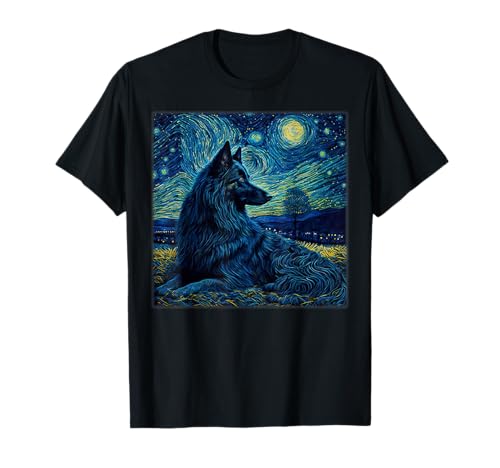
Belgian Shepherd Sheepdog: The Complete Breed Guide
Everything you need to know about the elegant, intelligent, and hardworking Belgian Shepherd Sheepdog — from temperament and training to health, grooming, and finding the right breeder.
The Belgian Shepherd Sheepdog — also known as the Groenendael — is one of the most striking and capable working breeds in the world. With its long, solid black coat, alert expression, and unwavering loyalty, this dog has earned respect as a police dog, search-and-rescue partner, competitive obedience champion, and devoted family guardian.
But the Belgian Shepherd Sheepdog is not a breed for everyone. It is intelligent, sensitive, and driven — a dog that needs a job, a purpose, and an owner who understands the difference between a pet and a working partner. If you are considering bringing one into your home, this guide will help you understand exactly what that commitment involves.
Breed Overview
The Belgian Shepherd Sheepdog is one of four varieties of the Belgian Shepherd Dog, a breed recognized for its versatility and work ethic. While the Belgian Malinois is the most famous variety, the Sheepdog (Groenendael) is distinguished by its long, black coat and slightly more reserved nature.
Breed Group
Herding / Working Group. Recognized by the AKC as part of the Herding Group. Bred for livestock herding, guarding, and police work.
Working / HerdingSize & Weight
Height: 22–26 inches (56–66 cm). Weight: 55–75 pounds (25–34 kg). Males are typically larger and more substantial than females.
Large BreedCoat & Color
Long, straight, dense double coat. Solid black is the only accepted color for the Sheepdog variety. Distinctive ruff around the neck and feathering on legs and tail.
Long Double CoatLifespan
Average lifespan is 10–14 years. With excellent care, proper nutrition, and regular veterinary attention, many live into their early teens.
10–14 YearsQuick Summary:
The Belgian Shepherd Sheepdog is a highly intelligent, energetic, and loyal working breed. It thrives with experienced owners who provide structure, daily exercise, and mental challenges. It is not suited for sedentary lifestyles or first-time dog owners who cannot commit to ongoing training.
Temperament & Personality
The Belgian Shepherd Sheepdog is known for its intense loyalty and protective instincts. It forms deep bonds with its family and is naturally wary of strangers — not aggressive, but observant and reserved until it feels safe. This makes it an excellent watchdog and a devoted companion for the right household.
Key Personality Traits
- Highly intelligent: Learns quickly and enjoys problem-solving. Boredom leads to destructive behavior, so mental engagement is essential.
- Loyal and protective: Deeply attached to family members. Naturally suspicious of unfamiliar people and animals without proper socialization.
- Energetic and driven: Needs a job to do. Excels in obedience, agility, herding, tracking, and protection work.
- Sensitive to tone: Responds poorly to harsh punishment. Positive reinforcement and clear communication work best.
- Reserved with strangers: Not overly friendly with people they don't know. Early socialization helps them distinguish between normal situations and real threats.
- Good with children (with supervision): They can be gentle and protective with kids they grow up with, but their herding instinct may cause them to nip at running children. Supervision and training are essential.
Important: The Belgian Shepherd Sheepdog is not a "backyard dog." It needs to be part of the family, included in daily activities, and given clear rules and boundaries. Isolation leads to anxiety, barking, and destructive behavior.
Training & Mental Stimulation
Training a Belgian Shepherd Sheepdog is not optional — it is essential. This breed is smart enough to outthink an inexperienced owner, and without structure, it will make its own rules. The good news is that these dogs love to learn and respond exceptionally well to positive reinforcement.
Training Priorities
- Start early: Begin obedience training the moment your puppy arrives home. Basic commands like sit, stay, come, and leave it form the foundation for everything else. See our dog training guides for step-by-step instructions.
- Socialize thoroughly: Expose your puppy to different people, places, sounds, and animals during the critical socialization window (3–14 weeks). This prevents fear and aggression later. Read our guide on puppy socialization.
- Use positive reinforcement: Reward desired behaviors with treats, praise, or play. Avoid punishment-based methods, which damage trust and can cause defensive aggression. Learn more about positive reinforcement training.
- Provide mental challenges: Obedience drills, puzzle toys, scent work, and agility training keep their mind engaged. A mentally tired Belgian Shepherd is a happy, well-behaved dog.
- Be consistent: Everyone in the household must use the same commands and rules. Inconsistency confuses the dog and undermines training.
- Consider professional help: If you are new to working breeds, enroll in a reputable obedience class or hire a trainer experienced with Belgian Shepherds. Our guide on when to hire a trainer can help.
For more advanced training, consider agility training or off-leash training. These activities channel the breed's energy and intelligence into constructive outlets.
Exercise Requirements
The Belgian Shepherd Sheepdog is a high-energy working breed. It needs significantly more exercise than the average family dog — at least 1.5 to 2 hours of vigorous activity every day. Without enough exercise, it becomes restless, destructive, and difficult to manage.
Types of Exercise
- Structured walks: 45–60 minutes daily, ideally split into two sessions. Let your dog sniff and explore — mental stimulation is as important as physical activity.
- Running or hiking: 30–60 minutes of off-leash running, hiking, or biking. These dogs have incredible stamina and need to move at full speed regularly.
- Fetch and retrieving games: Great for burning energy and reinforcing recall. Use fetch toys designed for large breeds.
- Mental work: 15–20 minutes of training, puzzle toys, or scent games. This tires them out as much as physical exercise. See our guide on mental stimulation ideas.
- Dog sports: Agility, obedience, Schutzhund, and herding trials are ideal outlets for this breed's natural talents.
Warning Signs of Under-Exercise:
• Destructive chewing or digging
• Excessive barking or whining
• Pacing, restlessness, or inability to settle
• Jumping on people or nipping
• Escaping behavior
If you see these signs, your dog needs more physical and mental activity — not more punishment.
Health & Lifespan
The Belgian Shepherd Sheepdog is generally a healthy breed, but like all purebred dogs, it has some inherited health concerns. Responsible breeders screen their breeding dogs for these conditions, which significantly reduces the risk in puppies.
Common Health Issues
- Hip and elbow dysplasia: Abnormal development of the hip or elbow joints, leading to arthritis and lameness. Breeders should provide OFA or PennHIP clearances.
- Progressive retinal atrophy (PRA): A genetic eye disease that causes gradual vision loss. DNA testing is available.
- Epilepsy: Seizure disorder that can often be managed with medication.
- Thyroid issues: Hypothyroidism is relatively common and manageable with medication.
- Certain cancers: Like many large breeds, they can be prone to certain types of cancer. Regular vet checkups help with early detection.
- Bloat (gastric torsion): A life-threatening condition where the stomach twists. Feed smaller meals more frequently and avoid vigorous exercise right after eating.
Regular veterinary care is essential. See our guide on dog vaccinations and parasite prevention to keep your dog healthy. For senior dogs, consider joint health support and senior dog diet adjustments.
Health Tip: Purchase from a breeder who provides health testing and genetic testing results for both parents. This is the single best way to reduce the risk of inherited disease.
Grooming & Coat Care
The Belgian Shepherd Sheepdog has a long, dense double coat that requires regular maintenance. While it is not as high-maintenance as some long-haired breeds, it does shed heavily — especially twice a year during seasonal coat blows.
Grooming Routine
- Brushing: 2–3 times per week with a slicker brush and undercoat rake. Daily during shedding season to prevent mats and control loose hair.
- Bathing: Every 2–3 months, or when dirty. Use a quality dog shampoo formulated for double coats. Over-bathing strips natural oils and can cause skin irritation.
- Nail trimming: Every 2–4 weeks. Use sharp nail clippers and have styptic powder on hand for accidental bleeds.
- Ear cleaning: Weekly with a dog-specific ear cleaner. Check for redness, odor, or discharge.
- Dental care: Brush teeth 3–7 times per week with a dog toothbrush and dog-safe toothpaste. Dental disease is common in dogs and affects overall health.
- Professional grooming: Optional but helpful for keeping the coat in top condition. A professional groomer can trim feathering and manage the undercoat effectively.
For more detailed grooming guidance, see our complete dog grooming guide.
Diet & Nutrition
A high-quality diet is essential for a working breed like the Belgian Shepherd Sheepdog. They need balanced nutrition with high-quality animal protein to support muscle mass, joint health, and energy levels.
Feeding Guidelines
- Life-stage appropriate food: Feed puppy food until 12–18 months, then transition to adult formula. Senior dogs benefit from senior dog food.
- High-quality protein: Look for named meat sources like chicken, beef, or fish as the first ingredient. Avoid generic "meat meal" or by-products.
- Portion control: Follow feeding guidelines but adjust based on your dog's body condition. You should be able to feel but not see the ribs.
- Joint support: Consider joint supplements with glucosamine and chondroitin, especially for active or aging dogs.
- Fresh water: Always provide clean, fresh water. Working dogs need constant hydration.
For help choosing the right food, see our complete dog food guide and best food for large dogs with sensitive stomachs.
Choosing a Reputable Breeder
Because the Belgian Shepherd Sheepdog is a working breed with specific health and temperament requirements, choosing the right breeder is critical. A responsible breeder prioritizes health, temperament, and breed integrity over profit.
What to Look For
- Health testing: Both parents should have hip and elbow evaluations, eye certifications, and DNA testing for known genetic conditions. Ask to see the results. See our guide on health testing for breeders.
- Temperament: Reputable breeders breed for stable, confident temperaments suitable for working or family life. They should be transparent about the temperament of their lines.
- Contract and guarantee: A good breeder provides a written contract with a health guarantee and clear terms. Read our breeder contract guide.
- Transparency: They allow you to visit the puppies and meet the mother. They answer questions openly and do not pressure you to buy.
- Registration: Puppies should be registered with a recognized kennel club. Learn about AKC registration and limited vs full registration.
For more guidance, read our articles on finding a reputable breeder, questions to ask a breeder, and red flags of a bad breeder.
Adoption Alternative: Belgian Shepherd Sheepdogs and mixes occasionally end up in rescues and shelters. Consider adopting a dog if you are open to an adult dog with a known temperament. Learn about the adoption process.
Frequently Asked Questions
Final Thoughts:
The Belgian Shepherd Sheepdog is a magnificent breed for the right owner. If you are active, committed to ongoing training, and looking for a loyal, intelligent partner, this breed can be incredibly rewarding. If you prefer a more laid-back companion or are new to high-drive working dogs, consider a different breed. The key is honest self-assessment — this dog deserves an owner who can meet its needs. For more breed options, explore our dog breeds section or learn about healthiest dog breeds.