Best Dog Food for Large Dogs with Sensitive Stomachs
Finding the right food for a large breed with a delicate digestive system can be challenging. This guide cuts through the marketing to help you choose the best diet for your gentle giant.
Large and giant breed dogs—like Great Danes, Mastiffs, German Shepherds, and Retrievers—have unique nutritional needs. When you add a sensitive stomach to the mix, choosing the right food becomes critical. An upset stomach in a big dog not only means messy cleanups but can also lead to serious conditions like bloat, which is life-threatening.
This guide explores the best dietary approaches, highlights top ingredients to look for, and reviews the best dog foods specifically formulated for large dogs with sensitive stomachs. By the end, you will have the knowledge to make an informed decision that keeps your dog healthy and happy.
Why Large Dogs Are Prone to Sensitive Stomachs
Large dogs have faster metabolisms and different digestive tracts compared to small breeds. Their stomachs are more prone to torsion (bloat) and they often have food sensitivities that manifest as chronic diarrhea, gas, or vomiting. Common culprits include:
- Dietary Indiscretion: Large breeds are often greedy eaters and may consume non-food items or table scraps that upset their stomach.
- Food Allergies: Proteins like chicken or beef are common allergens. Grains like corn and wheat can also be problematic.
- Rapid Eating: Eating too fast can cause regurgitation and stomach upset. This is why slow-feed dog bowls are often recommended.
- Fat Content: High-fat diets can trigger pancreatitis in sensitive dogs. A moderate fat content is usually best.
⚠️ Warning: If your large dog experiences frequent vomiting, diarrhea, or changes in appetite, always consult a veterinarian. These symptoms can indicate serious underlying health issues like colitis or hip dysplasia-related pain that affects eating.
What to Look For in a Sensitive Stomach Formula
Not all "sensitive stomach" foods are created equal. For large breeds, you need a formula that balances digestibility with the right caloric density and joint support. Here’s a checklist of features to prioritize:
- Single, Novel Protein Source: Opt for proteins your dog hasn't eaten before, such as salmon, lamb, venison, or duck. This minimizes the risk of an allergic reaction.
- Easily Digestible Carbohydrates: Look for oatmeal, pearled barley, brown rice, or sweet potato. These provide energy without causing gas or bloating.
- Prebiotics & Probiotics: Ingredients like chicory root (inulin) and dried fermentation products support a healthy gut microbiome.
- Fiber Blend: A mix of soluble and insoluble fiber (like beet pulp and pumpkin) helps regulate digestion and firm up stools.
- Joint Support: Large breeds need extra glucosamine and chondroitin to maintain healthy joints, especially when they are prone to hip and elbow dysplasia.
- Controlled Fat and Calories: To prevent weight gain and pancreatitis, the fat content should be moderate (around 12-16%).
Key Ingredients: The Good and The Bad
✅ Ingredients to Seek
- Salmon or Whitefish: High-quality protein and omega-3 fatty acids for skin and coat health.
- Oatmeal or Brown Rice: Gentle, easily digestible carbohydrates.
- Pumpkin: A natural source of fiber that helps soothe digestion.
- Probiotic Strains: Look for specific strains like Bacillus coagulans or Enterococcus faecium.
- Glucosamine & Chondroitin: Crucial for protecting joints in large, active dogs.
❌ Ingredients to Avoid
- Chicken, Beef, or Corn: Common allergens for many dogs.
- Artificial Colors, Flavors, or Preservatives: These provide no nutritional value and can trigger sensitivities.
- By-Products & Generic Meat Meal: Low-quality protein sources that are hard to digest.
- High-Fat Additives: Excessive fat, especially from unnamed sources, can cause digestive upset.
Top Recommended Foods for Large Dogs with Sensitive Stomachs
Based on ingredient quality, digestibility, and suitability for large breeds, here are some of the best options available. These foods are formulated to support digestive health while providing the energy and joint support your large dog needs.
💡 Pro Tip: When switching your dog to a new food, always follow a 7-10 day transition period. Start by mixing a small amount of the new food with the old, and gradually increase the proportion of the new food each day to avoid digestive upset.
| Product | Key Protein | Key Carbs | Notable Features |
|---|---|---|---|
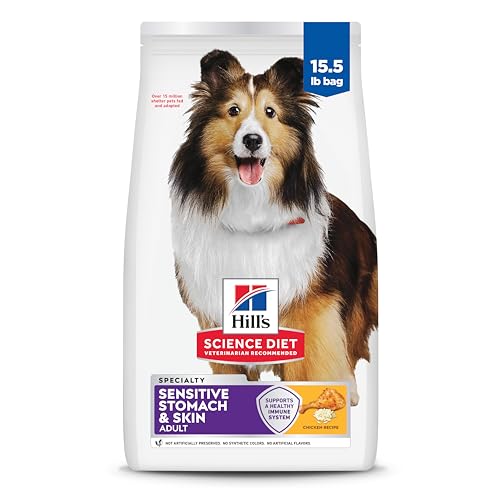
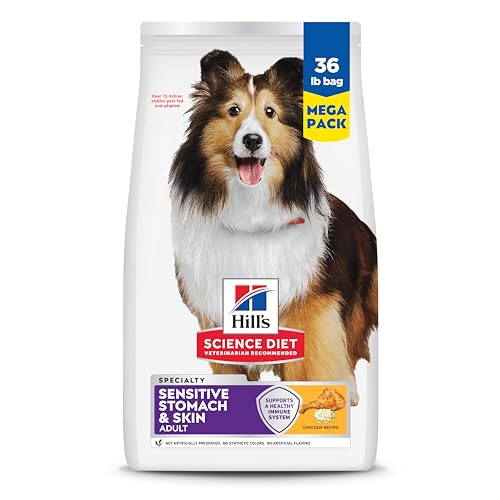
| Hill's Science Diet Adult Sensitive Stomach & Skin | Chicken & Barley (but gentle formula) | Barley, Brown Rice | Prebiotic fiber, vitamin E & omega-6s |
| Purina Pro Plan Sensitive Skin & Stomach | Salmon | Oatmeal, Rice | High in omega-3s, no corn/wheat/soy |
| Royal Canin Large Digestive Care | Chicken & Pork | Barley, Rice | Specially formulated for large breeds with digestive issues |
| Natural Balance Limited Ingredient Diet | Lamb or Salmon | Brown Rice, Potatoes | Limited ingredients, perfect for allergy testing |
| Wellness Simple Limited Ingredient | Duck or Salmon | Oatmeal, Potatoes | Grain-free, single protein source |
How to Transition to a New Food Safely
Switching your large dog's food abruptly can cause severe stomach upset, including diarrhea and vomiting. The key is a slow, gradual transition.
- Days 1-3: Feed 75% of the old food mixed with 25% of the new food.
- Days 4-6: Feed 50% old and 50% new.
- Days 7-9: Feed 25% old and 75% new.
- Day 10: 100% of the new food.
Monitor your dog during this period. If they experience severe diarrhea or vomiting, revert to the previous ratio and consult your vet. Sometimes, adding a digestive enzyme supplement can aid the process.
Beyond Food: Managing Your Large Dog's Digestive Health
Diet is just one piece of the puzzle. Here are additional strategies to keep your large dog's stomach happy:
- Use a Slow-Feed Bowl: Large dogs often inhale their food. A slow-feed dog bowl encourages slower eating, reducing bloat risk and improving digestion.
- Maintain a Consistent Schedule: Feeding at the same times each day helps regulate your dog's digestive system.
- Limit Treats and Table Scraps: Stick to a single, easily digestible treat (like plain cooked chicken or sweet potato) to avoid triggering sensitivities.
- Probiotic Supplements: Consider adding a high-quality canine probiotic to support gut flora.
- Hydration is Key: Always ensure fresh, clean water is available. Proper hydration aids digestion and prevents bloat.
Frequently Asked Questions
Ready to Switch?
Finding the right food for your large dog with a sensitive stomach is a journey. The products recommended in this guide are an excellent starting point. Remember, every dog is unique, so it might take some trial and error to find the perfect match. Be patient, monitor your dog closely, and don't hesitate to consult your veterinarian. You're on the right path to a happier, healthier dog.