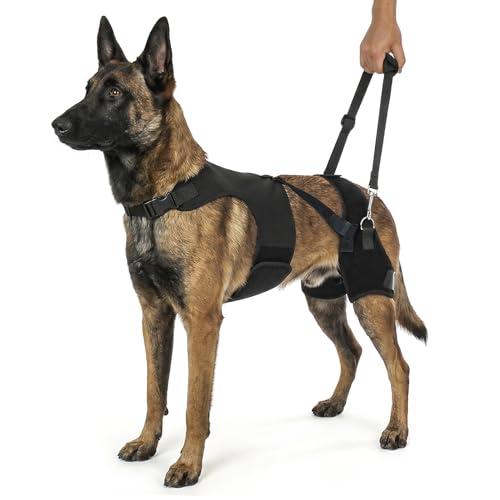
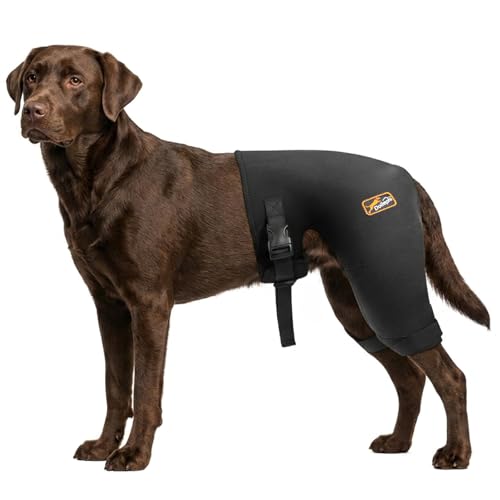
Canine Hip Dysplasia: Complete Guide
Understanding symptoms, treatment options, and how to help your dog live a comfortable, active life with this common joint condition.
Understanding Canine Hip Dysplasia
Canine hip dysplasia is one of the most common orthopedic conditions affecting dogs worldwide. It occurs when the hip joint develops abnormally, causing the ball and socket to fit together improperly. Instead of smoothly rotating, the joint grinds and rubs, leading to progressive damage, pain, and eventually arthritis.
This condition is primarily hereditary, but environmental factors play a significant role in its severity. Dogs with hip dysplasia are not born with the disease — they are born with the genetic predisposition. Over time, as the joint develops, the laxity and instability lead to degenerative changes that cause pain and mobility issues. Understanding this condition is the first step toward helping your dog live a full, comfortable life.
Key Fact: Hip dysplasia is not a death sentence for your dog. With proper management — including weight control, appropriate exercise, medical treatment, and sometimes surgery — most dogs with hip dysplasia can live happy, active lives.
Causes & Risk Factors
Genetic Factors
Hip dysplasia is a polygenic condition, meaning multiple genes contribute to its development. This is why certain breeds have much higher incidence rates than others. The genetic component determines the structure of the hip joint, the quality of the connective tissue, and the muscle mass that supports the joint.
- Heritability: Studies show heritability ranges from 25% to 40%, meaning genetics play a significant role but environment matters too.
- Breeding practices: Responsible breeders use hip screening (OFA or PennHIP) to reduce the prevalence in their lines.
Environmental Factors
Even dogs with perfect genetics can develop hip dysplasia if environmental factors are unfavorable:
- Excessive weight: Obesity dramatically increases stress on developing joints and accelerates degeneration.
- Rapid growth: Overfeeding puppies leads to rapid growth, putting abnormal stress on joints before they're fully developed.
- Improper exercise: High-impact activities (like jumping from heights) before growth plates close can cause damage.
- Nutritional imbalances: Improper calcium-phosphorus ratios in puppy food can affect bone development.
Recognizing the Symptoms
Hip dysplasia symptoms can appear as early as 4-6 months of age in severe cases, or may not manifest until middle age when secondary arthritis develops. Recognizing the signs early allows for intervention that can slow progression and reduce pain. When you notice these signs, it's important to consult your veterinarian promptly.
- Difficulty rising: Dogs with hip dysplasia often struggle to get up from a lying or sitting position, especially after rest. They may appear stiff and take a few steps to "warm up."
- Bunny hopping gait: When running, affected dogs often move both hind legs together like a rabbit, minimizing hip movement to reduce pain.
- Reluctance to climb stairs: Going up and down stairs becomes increasingly difficult and painful. Some dogs may flatly refuse.
- Decreased activity: A once-active dog may become less interested in walks, play, and exercise. This is often mistaken for aging or laziness.
- Hind leg weakness: The hind legs may appear to wobble, especially after exercise. Muscle wasting in the hindquarters is common.
- Audible clicking or popping: You may hear a popping sound from the hip joint during movement, particularly in younger dogs.
- Painful reactions: Some dogs may yelp or become aggressive when the hip area is touched or manipulated.
Important: Never ignore subtle signs of discomfort. Dogs are masters at hiding pain. If you notice any of these symptoms, schedule a veterinary exam as soon as possible. Early intervention can significantly improve your dog's quality of life.
Diagnosis & Veterinary Care
Diagnosing hip dysplasia involves a combination of physical examination and imaging. Your veterinarian will perform a thorough orthopedic exam, checking for pain, range of motion, and signs of joint laxity. Based on these findings, they will recommend further diagnostic tests.
Diagnostic Methods
- Physical examination: The vet will manipulate the hip joint to assess pain, crepitus (grinding sensation), and range of motion. The Ortolani test specifically checks for joint laxity.
- X-rays (Radiographs): Standard X-rays can show evidence of joint laxity, degenerative changes, and the formation of osteoarthritis. They require sedation for proper positioning.
- PennHIP Evaluation: A more sensitive screening method that measures joint laxity more accurately. Can detect dysplasia in dogs as young as 4-5 months.
- CT or MRI: Advanced imaging used in complex cases or when surgery is being considered.
Grading Systems
Veterinarians use several systems to grade hip dysplasia severity:
- OFA (Orthopedic Foundation for Animals): Grades range from Excellent, Good, Fair (all normal) to Mild, Moderate, Severe (dysplastic).
- PennHIP: Provides a Distraction Index (DI) score from 0 to 1.0. Lower numbers indicate tighter, healthier hips.
- VDH (Veterinary Data for Health): Used in Europe, similar to the OFA system.
Treatment Options
Treatment for hip dysplasia falls into two categories: non-surgical (conservative) and surgical. The right approach depends on your dog's age, severity of symptoms, degree of joint degeneration, and overall health. Many dogs with mild to moderate dysplasia do well with conservative management alone.
Non-Surgical Management
Conservative treatment focuses on reducing pain, slowing joint degeneration, and maintaining mobility. This is often the first line of treatment and can be highly effective for many dogs.
- Weight management: This is the single most important intervention. Every pound of excess weight adds approximately 3-4 pounds of pressure on the hip joints. Even a 5-10% weight reduction can significantly reduce pain and improve mobility. Learn more in our dog weight management guide.
- Controlled exercise: Low-impact activities like swimming, leash walking on soft surfaces, and gentle hiking are excellent. Avoid high-impact activities like frisbee, agility, or jumping from heights.
- Physical therapy: Professional therapy can include hydrotherapy, therapeutic exercises, massage, and stretching to maintain muscle mass and joint flexibility.
- Joint supplements: Glucosamine, chondroitin, MSM, and omega-3 fatty acids support joint health and reduce inflammation. Our joint health guide covers the best options.
- Pain medications: NSAIDs (like Rimadyl, Metacam) and other pain relievers can help manage acute pain. Always use under veterinary supervision as they have potential side effects.
- Alternative therapies: Acupuncture, laser therapy, and cold laser treatments have shown promise in reducing pain and improving mobility in some dogs.
Surgical Options
For dogs with severe dysplasia or those who don't respond to conservative management, surgery offers the potential for significant improvement. The choice of surgery depends on the dog's age, size, and the severity of joint damage.
| Surgery Type | Best For | How It Works | Approximate Cost |
|---|---|---|---|
| Juvenile Pubic Symphysiodesis (JPS) | Puppies under 5 months | Fuses the pubic bone to encourage proper hip socket development | $1,500–$3,000 |
| Double/Triple Pelvic Osteotomy (DPO/TPO) | Young dogs under 10 months with mild-moderate disease | Reorients the hip socket to improve joint fit | $3,000–$5,000 |
| Femoral Head Ostectomy (FHO) | Medium and smaller dogs, some large dogs | Removes the femoral head, allowing scar tissue to form a "false joint" | $2,000–$4,000 |
| Total Hip Replacement (THR) | Dogs over 10 months, all sizes, most effective | Replaces the entire hip joint with prosthetic components | $5,000–$8,000+ per hip |
Cost Considerations: Hip dysplasia treatment costs can be significant. Total Hip Replacement (THR) is the gold standard but comes with the highest price tag. Many owners find pet insurance invaluable for covering these costs. If you're considering surgery, discuss payment plans and financing options with your veterinary surgeon.
Prevention Strategies
While hip dysplasia is primarily genetic, you can take important steps to reduce its severity and potentially prevent its development in predisposed dogs. Prevention is especially critical during the puppy growth phase.
- Choose responsible breeders: Purchase puppies only from breeders who perform hip screening on breeding stock (OFA, PennHIP). Ask to see certification results. This dramatically reduces the risk of inheriting the condition.
- Maintain proper puppy nutrition: Feed a high-quality, large-breed puppy food with controlled calcium and phosphorus levels. Avoid overfeeding or supplementing with extra calcium. Rapid growth is a major risk factor.
- Control weight: Keep your puppy lean, not chubby. You should be able to easily feel the ribs. Puppies that are overweight put excessive stress on developing joints.
- Provide appropriate exercise: Allow puppies to exercise on soft, non-slip surfaces. Avoid high-impact activities like jumping from furniture, stairs, or heights. Let them run and play naturally — they'll self-regulate.
- Start joint supplements early: For at-risk breeds, consider starting glucosamine and omega-3 supplements early (under veterinary guidance). Some breeders recommend starting as early as 8 weeks.
- Regular veterinary checkups: Annual wellness exams allow early detection before symptoms become severe. Your vet can perform orthopedic evaluations at every visit.
- Consider screening: For at-risk breeds, discuss hip screening (PennHIP) around 4-5 months of age. This identifies dogs with joint laxity early for intervention.
Daily Management & Care
Dogs with hip dysplasia need ongoing care throughout their lives. With the right daily management, many dogs remain comfortable and active well into their senior years.
Home Environment Modifications
- Ramps: Install ramps for car access, stairs, and furniture instead of having the dog jump.
- Orthopedic dog beds: High-quality memory foam or supportive beds reduce joint pressure and provide comfort. See our dog bed guide for recommendations.
- Non-slip flooring: Use runners, carpet, or rubber mats on slippery floors to prevent falls and provide traction.
- Elevated food bowls: Elevated dog bowls reduce stress on the neck and spine by allowing comfortable eating posture.
- Dog stairs: Dog steps allow access to beds and furniture without jumping.
Daily Routine Recommendations
- Multiple short walks: Two 15-20 minute walks are better than one 40-minute walk to prevent fatigue.
- Swimming: Excellent low-impact exercise. Consider dog pools for home or local hydrotherapy centers.
- Mental stimulation: Puzzle toys and interactive dog toys keep them engaged without physical strain.
- Daily supplements: Give joint supplements consistently. Glucosamine and omega-3s work best over time.
- Gentle massage: Learn basic massage techniques to increase circulation and reduce muscle tension.
- Weight monitoring: Check weight monthly. Even small changes matter.
Breeds Prone to Hip Dysplasia
Hip dysplasia is most common in large and giant breeds, though any dog can be affected. Understanding your dog's predisposition helps you plan proactive care. Here are the breeds with the highest incidence rates according to OFA statistics:
19.5% affected
19.5% affected
12% affected
20% affected
18% affected
24% affected
15% affected
15% affected
28% affected
10% affected
Frequently Asked Questions
Take Action for Your Dog's Joint Health
If you suspect your dog may have hip dysplasia, don't wait. Schedule a veterinary exam and discuss diagnostic options. The sooner you act, the more treatment options are available. Remember: maintaining a healthy weight, providing appropriate exercise, and supporting joint health with quality nutrition and supplements can make a tremendous difference in your dog's quality of life. Your commitment to managing this condition will give your dog many happy, comfortable years.