Belgian Shepherd Dog Breeds: The Complete Guide
Discover the four distinct varieties of the Belgian Shepherd — the Malinois, Tervuren, Groenendael, and Laekenois. Learn their unique traits, exercise needs, training requirements, and which one might be the right fit for your active lifestyle.
The Belgian Shepherd is not a single breed but a family of four closely related working dogs that share a common ancestry, remarkable intelligence, and an intense work ethic. While the Belgian Malinois has become a household name thanks to its heroics in police and military service, the other three varieties — the Tervuren, Groenendael, and Laekenois — possess the same exceptional qualities in slightly different packages.
If you are considering adding a Belgian Shepherd to your family, you are likely looking for a dog that is more than just a pet. These are partners — dogs that thrive when given a job, a purpose, and an active owner who understands their need for mental and physical challenges. This guide will walk you through everything you need to know about Belgian Shepherd dog breeds, from their origins to their specific care requirements.
Origins & History of the Belgian Shepherd
The Belgian Shepherd's story begins in the late 19th century in Belgium, where local shepherds bred dogs to herd and guard their flocks. These dogs were hardy, intelligent, and capable of working long hours in varied terrain. In 1891, a group of breeders founded the Club du Chien de Berger Belge to standardize the breed.
By 1898, the breed had been divided into distinct varieties based on coat type and color. The four varieties recognized today are the Malinois, Tervuren, Groenendael, and Laekenois. While they are considered separate breeds by some kennel clubs (including the AKC), the FCI and most European clubs recognize them as varieties of a single breed, the Belgian Shepherd Sheepdog.
These dogs were originally used for herding sheep, but their versatility soon became apparent. They excelled as guard dogs, police dogs, military dogs, and search-and-rescue dogs. Today, the Belgian Malinois is the most popular variety worldwide, particularly in working roles, while the other three varieties are less common but equally capable.
Did You Know?
The Belgian Shepherd is often confused with the German Shepherd, but they are distinct breeds. The Belgian Shepherd is typically lighter, more agile, and has a square-proportioned body. The Malinois vs German Shepherd comparison is a common point of discussion among working dog enthusiasts.
The Four Varieties of Belgian Shepherd
Each of the four Belgian Shepherd varieties has its own distinct appearance, but they all share the same athletic build, alert expression, and intense work drive. Here is a detailed look at each one.
Belgian Malinois
The Malinois is the short-haired variety with a fawn to mahogany coat and a distinctive black mask. It is the most popular and widely recognized of the four, thanks to its extensive use in police, military, and protection work.
Temperament: Intense, driven, highly intelligent, and extremely loyal. Malinois are not for the faint of heart — they need a job and an experienced owner.
Short Coat Fawn with Black Mask Most PopularBelgian Tervuren
The Tervuren is the long-haired variety with a fawn to mahogany coat and a black mask, similar in color to the Malinois but with a long, flowing coat. It is elegant and athletic, often described as the "show dog" of the family.
Temperament: Alert, devoted, and highly trainable. Tervurens are slightly more reserved than Malinois but equally capable in obedience and agility.
Long Coat Fawn with Black Mask Elegant AppearanceGroenendael
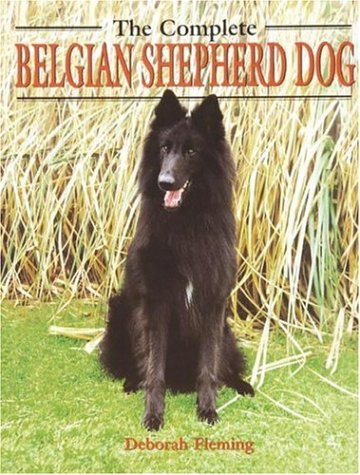
The Groenendael is the long-haired, solid black variety. It is perhaps the most striking of the four, with a thick, black coat that requires regular grooming. Groenendaels are less common than Malinois but have a dedicated following.
Temperament: Intelligent, sensitive, and deeply loyal. They are excellent watchdogs and excel in obedience and herding.
Long Coat Solid Black Striking AppearanceLaekenois
The Laekenois is the rough-haired variety with a wiry, fawn coat. It is the rarest of the four and was originally bred to herd sheep and guard linen fields. The Laekenois has a tousled, rustic appearance.
Temperament: Alert, playful, and protective. Laekenois are known for their strong territorial instincts and make excellent guard dogs.
Wiry Coat Fawn Rarest VarietyWhile all four varieties share a common heritage, their coat types and subtle temperament differences make them suited to slightly different roles. The Belgian Shepherd Dog Malinois is the go-to choice for high-intensity work, while the Belgian Shepherd Dog Tervuren is often preferred for its striking appearance and versatility in dog sports.
Belgian Shepherd Varieties Comparison
Use this table to quickly compare the key characteristics of the four Belgian Shepherd varieties. Remember that individual dogs may vary — temperament is influenced by genetics, training, and socialization.
| Variety | Coat Type | Color | Height | Weight | Exercise Needs | Grooming |
|---|---|---|---|---|---|---|
| Malinois | Short | Fawn with Black Mask | 22–26 in | 40–80 lbs | Very High | Low |
| Tervuren | Long | Fawn with Black Mask | 22–26 in | 40–75 lbs | Very High | Moderate |
| Groenendael | Long | Solid Black | 22–26 in | 40–75 lbs | Very High | High |
| Laekenois | Wiry | Fawn | 22–26 in | 40–75 lbs | Very High | Moderate |
All four varieties are similar in size and exercise requirements. The main differences lie in coat type and grooming needs. If you prefer a low-maintenance coat, the Malinois is your best bet. If you are drawn to a more glamorous appearance, the Tervuren or Groenendael might be the right choice.
Temperament & Personality
Belgian Shepherds are renowned for their intelligence, loyalty, and intense work drive. They are not content to be couch potatoes — they need a purpose. Without mental and physical stimulation, they can become bored, destructive, and difficult to manage.
Key Personality Traits
- Highly Intelligent: Belgian Shepherds are among the smartest dog breeds. They learn quickly but also get bored easily. They need mental challenges to stay happy.
- Extremely Loyal: They form deep bonds with their owners and are fiercely protective of their families. Early socialization is essential to prevent over-protectiveness.
- High Energy: These are working dogs with endless stamina. They need vigorous daily exercise and thrive when given a job to do.
- Alert and Watchful: They are naturally suspicious of strangers and make excellent watchdogs. Proper socialization helps them distinguish between friend and foe.
- Driven and Determined: Once they set their mind to something, they are relentless. This makes them excellent in protection sports and police work but requires clear leadership.
- Sensitive to Tone: Belgian Shepherds are sensitive dogs that respond poorly to harsh treatment. Positive reinforcement training is essential for building trust.
Tip: If you are looking for a laid-back, low-energy companion, a Belgian Shepherd is not the right choice. These dogs need an active owner who enjoys training, hiking, and spending time outdoors. If you prefer a more relaxed breed, consider exploring other healthy dog breeds that match your lifestyle.
Training & Socialization
Training a Belgian Shepherd is both a privilege and a responsibility. Their intelligence means they learn fast, but it also means they need consistent, structured training to prevent them from developing bad habits. These dogs are not recommended for first-time dog owners unless they are committed to enrolling in professional training classes.
Training Essentials
- Start Early: Begin training and socialization as soon as you bring your puppy home. The critical socialization window is between 3 and 14 weeks of age.
- Use Positive Reinforcement: Belgian Shepherds respond best to reward-based training. Use treats, praise, and play to reinforce desired behaviors. Avoid harsh corrections, which can damage your relationship.
- Be Consistent: Everyone in the household must use the same commands and rules. Inconsistency confuses these highly intelligent dogs and undermines your authority.
- Provide Mental Stimulation: Obedience training is just the beginning. Engage your Belgian Shepherd in puzzle toys, scent work, agility, and other activities that challenge their mind.
- Socialize Extensively: Expose your puppy to a variety of people, places, sounds, and other animals in a positive, controlled manner. This prevents fear and aggression later in life.
- Consider Professional Help: If you are new to high-drive breeds, working with a professional trainer or behaviorist is highly recommended. Read our guide on when to see a behaviorist for more information.
Belgian Shepherds excel in a variety of dog sports, including obedience, agility, tracking, and protection. They are also well-suited for search-and-rescue, police K-9 work, and service dog roles. If you are interested in advanced training, explore our resources on agility training for puppies and behavior modification techniques.
Exercise & Activity Needs
Belgian Shepherds are high-energy dogs that require a significant daily commitment to exercise. A simple walk around the block is not enough — they need vigorous physical activity and mental stimulation to stay balanced and happy.
Daily Exercise Requirements
- Physical Exercise: At least 1.5 to 2 hours of vigorous activity daily. This can include running, hiking, fetch, swimming, or structured play sessions.
- Mental Stimulation: 15–30 minutes of training, puzzle toys, or scent games. Mental exercise tires dogs out just as much as physical exercise.
- Off-Leash Time: Whenever safe and legal, allow your Belgian Shepherd to run off-leash in a secure area. This helps them burn energy and satisfy their natural curiosity.
- Structured Activities: Consider enrolling in dog sports like agility, dock diving, or protection training. These provide both physical and mental challenges.
- Puppy Exercise: Puppies need shorter, more frequent play sessions to protect their growing joints. Avoid strenuous exercise until their growth plates close (around 12–18 months).
Warning: A bored Belgian Shepherd is a destructive Belgian Shepherd. If you cannot commit to daily exercise and mental stimulation, this breed is not for you. Under-exercised dogs may develop behaviors such as excessive barking, chewing, digging, and even aggression. If you notice these signs, consider using interactive dog toys and puzzle toys for dogs to provide additional stimulation.
Health & Grooming
Belgian Shepherds are generally healthy dogs with a lifespan of 12–14 years. However, like all breeds, they are prone to certain genetic health conditions. Responsible breeding and regular veterinary care are essential for keeping your dog healthy.
Common Health Concerns
- Hip and Elbow Dysplasia: A common joint condition in large breeds. Reputable breeders screen their dogs for dysplasia before breeding. Maintaining a healthy weight and providing joint supplements can help manage the condition.
- Progressive Retinal Atrophy (PRA): A genetic eye disease that can lead to blindness. DNA testing is available for responsible breeders.
- Epilepsy: Some Belgian Shepherds are prone to seizures. Medication can manage the condition in most cases.
- Thyroid Issues: Hypothyroidism is relatively common and can be managed with medication and diet.
- Bloat (Gastric Torsion): A life-threatening condition where the stomach twists. Feed smaller meals more frequently and avoid vigorous exercise right after eating.
- Anesthesia Sensitivity: Some Belgian Shepherds carry the MDR1 gene mutation, which can cause sensitivity to certain drugs. Genetic testing is recommended.
Grooming Needs by Variety
- Malinois (Short Coat): The easiest to groom. Brush weekly with a rubber curry brush or bristle brush. Bathe every 2–3 months or as needed. These dogs shed year-round.
- Tervuren (Long Coat): Requires more grooming. Brush 2–3 times per week to prevent mats and tangles. Pay special attention to the ears, tail, and britches. Bathe every 4–6 weeks.
- Groenendael (Long Black Coat): Similar to the Tervuren but with a thicker, denser coat. Brush daily or every other day. Professional grooming may be needed occasionally. Bathe every 4–6 weeks.
- Laekenois (Wiry Coat): Brush weekly with a slicker brush or comb. Hand-stripping or trimming may be needed every few months to maintain the coat's texture. Bathe every 6–8 weeks.
In addition to coat care, regular grooming sessions are an opportunity to check for lumps, skin issues, ear infections, and other health problems. Use dog brushes and dog shampoo specifically formulated for your dog's coat type. For more detailed grooming tips, see our dog grooming guide.
Is a Belgian Shepherd Right for You?
Bringing a Belgian Shepherd into your home is a significant commitment. These dogs are not for everyone, and it is important to honestly assess whether you can meet their needs before making a purchase.
Belgian Shepherds Are a Good Fit If You:
- Are an experienced dog owner who understands high-drive breeds.
- Lead an active lifestyle and enjoy outdoor activities like hiking, running, and training.
- Can commit to 1.5–2 hours of exercise and mental stimulation daily.
- Are willing to invest in professional training and socialization.
- Want a loyal, protective companion that will bond deeply with your family.
- Have a secure, fenced yard or access to safe off-leash areas.
- Are prepared for a breed that requires mental challenges to prevent boredom.
Belgian Shepherds May Not Be Right If You:
- Are a first-time dog owner or prefer a laid-back, low-energy companion.
- Work long hours and cannot provide daily exercise and attention.
- Live in a small apartment without easy access to outdoor space.
- Have very young children or are unsure about managing a high-prey-drive dog.
- Are not interested in training or mental stimulation.
- Prefer a dog that is content with minimal exercise.
Considering Adoption? If you decide a Belgian Shepherd is right for you, consider adopting from a rescue organization. Many Belgian Shepherds end up in shelters because their owners underestimated their needs. Learn more about the adoption process and how to adopt a dog responsibly. You can also explore our guide on adopting a Newfoundland dog if you are considering other large breeds.
Choosing a Reputable Breeder
If you decide to purchase a Belgian Shepherd puppy from a breeder, it is crucial to choose a responsible, ethical breeder who prioritizes health, temperament, and genetic diversity. Avoid puppy mills and backyard breeders at all costs.
What to Look For in a Breeder
- Health Testing: Reputable breeders screen their breeding dogs for hip and elbow dysplasia, eye diseases, and genetic conditions like MDR1. Ask to see the health clearances.
- Temperament: Good breeders breed for stable, sound temperaments. They will be able to tell you about the parents' personalities and work abilities.
- Transparency: A good breeder will welcome questions, allow you to visit their facility, and show you the puppy's parents and living conditions.
- Contracts and Guarantees: A written contract protects both you and the dog. It should include a health guarantee and a return clause if you can no longer care for the dog.
- Knowledge and Support: A responsible breeder is a lifelong resource. They should be willing to answer your questions and provide guidance throughout your dog's life.
Before committing, read our guides on how to find a reputable dog breeder, questions to ask a dog breeder, and red flags of a bad breeder. You can also learn about genetic testing for dog breeds and ethical breeding practices to make an informed decision.
Frequently Asked Questions
Final Thoughts
The Belgian Shepherd is a remarkable family of dogs that offers incredible loyalty, intelligence, and work ethic. Whether you choose the popular Malinois, the elegant Tervuren, the striking Groenendael, or the rare Laekenois, you are bringing home a partner for life. These dogs are not for everyone — they need active owners who are committed to training, exercise, and mental stimulation. If you can meet their needs, you will be rewarded with one of the most devoted and capable companions in the canine world.
If you are still exploring breeds, consider reading about the Belgian Shepherd Sheepdog and the Belgian Shepherd Dog Malinois for more specific information. You can also browse our dog breeds section to compare other working breeds.