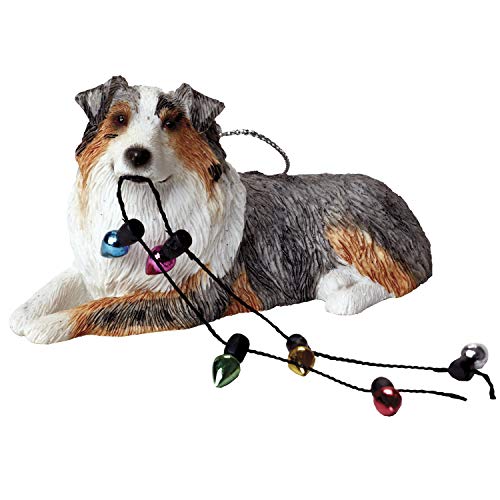
Blue Merle Miniature Australian Shepherd Puppies
Your complete guide to understanding, choosing, and caring for these stunning, intelligent, and energetic companions.
The Blue Merle Miniature Australian Shepherd is one of the most striking and sought-after companion breeds today. With their captivating marbled coats, piercing blue eyes, and sharp intellect, these puppies capture hearts instantly. But behind the beauty lies a working dog that demands an active lifestyle, consistent training, and an owner who understands the breed's needs.
If you are researching Blue Merle Miniature Australian Shepherd puppies because you are considering adding one to your family, this guide will walk you through everything you need to know — from breed characteristics and temperament to health considerations and how to find a responsible breeder. By the end, you will have a clear picture of whether this breed is right for you and how to prepare for a lifetime of adventure together.
What Is a Blue Merle Miniature Australian Shepherd?
The Blue Merle Miniature Australian Shepherd — often called a "Mini Aussie" — is a smaller version of the standard Australian Shepherd. While the American Kennel Club (AKC) does not formally recognize the Miniature Australian Shepherd as a separate breed, it is widely recognized by other registries and by breeders worldwide. The "Blue Merle" designation refers specifically to the coat pattern: a marbled mix of gray, black, and white with distinctive blue eyes.
Despite their smaller size, these dogs retain the intelligence, energy, and herding instinct of their larger cousins. They are not simply "lap dogs" — they are working dogs in a compact package. Understanding this distinction is critical before bringing one home. For a broader look at the breed family, see our Blue Merle Australian Shepherd puppy guide.
Key Distinction: The "Blue Merle" pattern is a coat color, not a separate breed. Miniature Australian Shepherds can also come in black tri, red tri, red merle, and other patterns. Blue merle is simply one of the most visually striking variations.
Appearance & Coat
The Blue Merle Miniature Australian Shepherd typically stands 13 to 18 inches tall at the shoulder and weighs between 20 and 40 pounds. They have a medium-length double coat that is weather-resistant and requires regular grooming.
Blue Merle Coat
The signature pattern features a marbled blend of gray, black, and white. The merle gene creates random patches of diluted color, resulting in a unique coat for every dog. No two blue merle coats are exactly alike.
DistinctiveEye Color
Blue eyes are common in blue merle dogs, though they may also have amber, brown, or even heterochromia (two different colored eyes). The merle gene affects pigment development in the eyes as well as the coat.
VariableBuild & Size
Compact but athletic, with a well-balanced body. Males are typically slightly larger than females. They move with agility and grace, reflecting their herding heritage.
AthleticTail & Ears
Many Mini Aussies are born with natural bobtails or are docked. Ears are triangular and set high, often semi-erect or button ears. These features add to their alert, expressive appearance.
AlertTemperament & Personality
Blue Merle Miniature Australian Shepherds are intelligent, energetic, and deeply loyal. They bond closely with their families and can be protective, making them excellent watchdogs. However, their herding instincts mean they may try to herd children, other pets, or even adults — a behavior that requires early management.
Key Personality Traits
- Highly intelligent: They learn quickly and need mental challenges. Boredom leads to destructive behavior.
- Energetic: They have boundless energy and need vigorous daily exercise. A tired Mini Aussie is a well-behaved Mini Aussie.
- Loyal and protective: They form strong bonds and may be reserved with strangers. Early socialization is essential.
- Herding instinct: They may nip at heels or try to "round up" family members. This is instinctive, not aggressive, but should be redirected.
- Affectionate: They love being with their people and can suffer from separation anxiety if left alone too long.
- Reserved with strangers: Properly socialized, they are polite but may never be overly friendly with unknown people — this is normal for the breed.
Is This Breed Right for You?
Blue Merle Miniature Australian Shepherds thrive with active owners who enjoy hiking, running, dog sports, or spending lots of time outdoors. They are not ideal for apartment living unless you are committed to multiple daily walks and mental enrichment. If you work long hours away from home, this breed may struggle.
They do best with experienced dog owners who understand working breeds and can provide consistent leadership. First-time owners can succeed with dedication and professional guidance.
Training & Socialization
Training a Blue Merle Miniature Australian Shepherd is both a joy and a necessity. Their intelligence means they learn fast — but it also means they can learn bad habits just as quickly if not guided properly. Positive reinforcement training works best for this sensitive, eager-to-please breed.
Training Priorities
- Start early: Begin training the day your puppy comes home. Puppies as young as 8 weeks can learn basic commands and house rules.
- Use positive reinforcement: Reward desired behaviors with treats, praise, or play. Avoid harsh corrections, which can damage trust and cause anxiety.
- Socialize extensively: Expose your puppy to different people, places, sounds, and animals during the critical socialization window (3-16 weeks). This prevents fear and aggression later.
- Channel herding instincts: Teach alternative behaviors like "leave it" and "go to mat" to redirect herding attempts. Consider enrolling in herding classes if the instinct is strong.
- Provide mental stimulation: Puzzle toys, obedience training, trick training, and scent work all tire your dog mentally. A mentally satisfied dog is less likely to develop behavior problems.
- Be consistent: Everyone in the household must use the same commands and rules. Inconsistency confuses the dog and slows progress.
Important: Blue Merle Miniature Australian Shepherds are sensitive to harsh training methods. Physical punishment, alpha rolls, or shock collars can create fear, anxiety, and aggression. Always use force-free, reward-based training. If you need help, consult a certified positive reinforcement trainer.
Exercise & Activity Needs
Exercise is not optional for this breed — it is essential for their physical and mental well-being. A Blue Merle Miniature Australian Shepherd that does not get enough activity will become destructive, anxious, and difficult to manage.
Daily Exercise Requirements
- Physical exercise: At least 1-2 hours of vigorous activity daily. This can include brisk walks, running, fetch, swimming, or hiking.
- Mental stimulation: 15-30 minutes of training, puzzle toys, or scent games. Mental work tires them out as much as physical exercise.
- Off-leash time: Safe, enclosed areas where they can run freely are ideal. Dog parks can work for well-socialized dogs, but monitor interactions closely.
- Dog sports: Agility, obedience, rally, herding, and frisbee are excellent outlets for their energy and intelligence.
- Puppy exercise: Puppies need shorter, more frequent play sessions. Avoid forced running or jumping until growth plates close (around 12-18 months).
Signs of Under-Exercise: Destructive chewing, excessive barking, pacing, nipping, digging, and inability to settle. If your Mini Aussie exhibits these behaviors, increase exercise and mental stimulation before considering other solutions.
Health & Genetic Concerns
Like all breeds, Blue Merle Miniature Australian Shepherds have specific health concerns that responsible breeders screen for. The merle gene itself carries risks — breeding two merle dogs together can produce puppies with severe health issues, including deafness and blindness.
| Health Concern | Description | Prevention |
|---|---|---|
| Merle-to-Merle Breeding | Breeding two merle dogs can produce "double merle" puppies with severe eye and ear defects, including blindness and deafness. | Never breed two merle dogs together. Responsible breeders avoid this entirely. |
| Hip Dysplasia | A genetic condition where the hip joint doesn't fit properly, leading to arthritis and lameness. | Breeders should screen parents with OFA or PennHIP evaluations. |
| Eye Conditions | Hereditary cataracts, progressive retinal atrophy, and collie eye anomaly can affect the breed. | Annual eye exams by a veterinary ophthalmologist for breeding dogs. |
| Epilepsy | Seizure disorders can occur in the breed. Responsible breeders track lineage for epilepsy. | Ask breeders about epilepsy history in their lines. |
| MDR1 Gene Mutation | A genetic mutation that makes dogs sensitive to certain medications, including ivermectin and some chemotherapy drugs. | DNA testing for the MDR1 gene. Inform your vet if your dog is affected. |
Health Testing for Breeding Dogs
Reputable breeders perform the following health clearances on their breeding dogs:
- Hip and elbow evaluation: OFA or PennHIP certification.
- Eye examination: Annual CAER (Companion Animal Eye Registry) exam by a veterinary ophthalmologist.
- DNA testing: For MDR1, HSF4 (hereditary cataracts), PRA (progressive retinal atrophy), and other breed-specific mutations.
- Cardiac evaluation: Some breeders screen for heart conditions.
When researching Blue Merle Australian Shepherd puppies, always ask to see health clearance certificates for both parents. A breeder who cannot or will not provide these is a red flag.
Grooming & Care
The Blue Merle Miniature Australian Shepherd has a medium-length double coat that requires regular grooming to stay healthy and mat-free. While they are not as high-maintenance as some breeds, they do shed — especially during seasonal coat blows.
Grooming Routine
- Brushing: 2-3 times per week with a slicker brush and undercoat rake. During shedding season (spring and fall), daily brushing is recommended.
- Bathing: Every 6-8 weeks, or as needed. Use a dog-specific shampoo to avoid stripping natural oils.
- Nail trimming: Every 2-4 weeks. Long nails cause discomfort and can affect gait.
- Ear cleaning: Weekly, especially if your dog swims or has floppy ears. Use a vet-approved ear cleaner.
- Dental care: Brush teeth several times per week to prevent dental disease.
- Professional grooming: Optional but helpful for keeping the coat in top condition. Every 8-12 weeks is typical.
Grooming Tip: Never shave your Blue Merle Miniature Australian Shepherd. Their double coat insulates them from both heat and cold. Shaving can cause permanent coat damage and increase risk of sunburn and overheating.
Choosing a Reputable Breeder
Finding the right breeder is the most important decision you will make when bringing home a Blue Merle Miniature Australian Shepherd puppy. A responsible breeder prioritizes health, temperament, and ethical practices over profit.
What to Look For in a Breeder
- Health clearances: Both parents should have hip, eye, and DNA testing certifications. Ask to see the paperwork.
- Transparency: A good breeder will answer all your questions and allow you to visit the puppies and see the parents.
- Breeding philosophy: They should breed for health and temperament, not just color. The merle pattern should never be the primary goal.
- Contract and guarantee: A written contract should include a health guarantee, return policy, and spay/neuter agreement.
- Puppy socialization: Puppies should be raised in the home with exposure to household sounds, people, and gentle handling.
- Lifetime support: A reputable breeder will be available for questions and support throughout your dog's life.
- No puppy mill signs: Avoid breeders who have multiple litters available at all times, refuse home visits, or sell through third parties.
Use our guide to finding a reputable dog breeder and questions to ask a dog breeder to ensure you are making an informed choice.
Red Flags to Avoid: Breeders who sell puppies before 8 weeks of age, cannot provide health clearances, have multiple breeds available, or pressure you to buy immediately. For a complete list, see our red flags of a bad dog breeder.
Understanding Ownership Costs
Owning a Blue Merle Miniature Australian Shepherd involves ongoing expenses beyond the initial purchase. Understanding these costs helps you plan and ensures you can provide proper care throughout your dog's life.
Acquisition
Puppies from reputable breeders are typically in the mid-range to premium tier depending on pedigree, health testing, and breeder reputation. Quality is more important than finding the lowest option.
Mid to PremiumInitial Supplies
Crate, bed, leash, collar, food and water bowls, toys, and grooming tools. This is a one-time cost that varies depending on quality tier.
Entry to PremiumVeterinary Care
Vaccinations, deworming, spay/neuter, annual exams, and flea/tick/heartworm prevention. These are essential recurring costs.
RecurringOngoing Expenses
Quality food, treats, training classes, boarding when traveling, and potential emergency vet care. Budget for the unexpected.
OngoingFinancial Tip: Consider pet insurance early, before any health conditions develop. A single emergency surgery can cost thousands. Insurance can make quality care accessible when you need it most. Compare plans carefully and understand what is covered.
Frequently Asked Questions
Final Thoughts
A Blue Merle Miniature Australian Shepherd is more than a beautiful dog — it is a commitment to an active, engaged lifestyle. These dogs give back tenfold in loyalty, companionship, and adventure. If you are ready to meet their needs for exercise, training, and attention, you will be rewarded with one of the most devoted and capable companions you could ask for.
Take your time finding a responsible breeder, prepare your home, and commit to positive training from day one. Your Blue Merle Mini Aussie will thank you with a lifetime of love and loyalty.