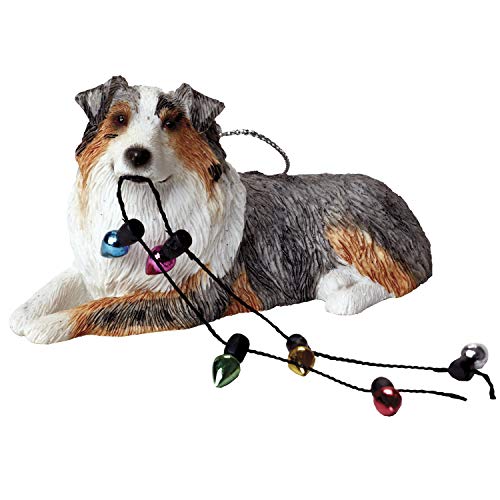
Blue Merle Miniature Australian Shepherd Puppies for Sale
Your complete guide to finding, choosing, and bringing home a healthy blue merle miniature Australian Shepherd puppy — from understanding the breed and merle genetics to working with reputable breeders.
The blue merle miniature Australian Shepherd is one of the most striking and sought-after companion dogs in the world. With their marbled blue-gray coats, piercing eyes, and sharp intelligence, these puppies command attention wherever they go. But behind the beautiful coat lies a working heritage that demands an informed and committed owner.
If you are searching for blue merle miniature Australian Shepherd puppies for sale, you have likely already fallen for their appearance. What you need now is a complete understanding of what you are actually bringing into your home — the genetics behind that merle coat, the exercise requirements, the health risks, and the red flags that separate ethical breeders from puppy mills. This guide covers all of it.
Quick Summary: Blue merle miniature Australian Shepherds are intelligent, energetic herding dogs that need active owners. The merle coat is a genetic dilution pattern, not a separate breed. Never buy from a breeder who pairs two merle dogs — this produces "double merles" with severe health defects. Always insist on health testing and genetic clearances before purchasing.
Breed Overview: What Is a Miniature Australian Shepherd?
The miniature Australian Shepherd — also called the Mini Aussie or, in some registries, the Miniature American Shepherd — is a smaller version of the standard Australian Shepherd. Despite the name, the breed was actually developed in the United States, not Australia. The "Australian" label comes from the sheep herding dogs that early American ranchers imported and then selectively bred smaller.
The miniature version retains all the working ability, intelligence, and loyalty of the standard Australian Shepherd but in a more compact, apartment-friendly package. They are registered with several organizations, though the AKC registration guide explains the complex registration landscape for this breed.
Blue merle is one of the four accepted coat colors for the breed (along with black, red, and red merle). It is not a separate breed or a "designer" mix — it is a standard, recognized coloration that has existed in the breed for generations. For comparison, you can also explore the blue merle miniature Australian Shepherd puppies and the standard-sized blue merle Australian Shepherd puppy for sale to understand size differences.
Miniature vs. Standard vs. Toy
- Standard Australian Shepherd: 18-23 inches tall, 40-65 pounds. The original working ranch dog.
- Miniature Australian Shepherd: 13-18 inches tall, 20-40 pounds. The most common "mini" size, still capable of herding.
- Toy Australian Shepherd: Under 13 inches, under 20 pounds. Not recognized by major kennel clubs; often produced by breeding runts, which can carry health risks.
If you are considering other herding breeds, it helps to compare the Border Collie and Australian Shepherd mix puppies for sale and the Blue Heeler Australian Shepherd mix puppies for sale, which combine similar traits with different coat types and temperaments.
Understanding Blue Merle Genetics
The blue merle coat is caused by a dominant gene (the M allele) that dilutes black pigment into patches of gray, blue, and black. This same gene, when present in a "double dose" (two copies, written MM), causes severe health problems. This is the single most important thing to understand before buying a merle puppy.
The Three Merle Combinations
- Non-merle (mm): Two recessive genes. Solid black, red, or other solid color. No merle pattern. Cannot produce merle puppies unless bred to a merle.
- Single merle (Mm): One merle gene, one non-merle gene. This produces the classic blue merle or red merle pattern. Most merle puppies for sale fall into this category. Generally healthy when the dog also receives proper care and genetic testing.
- Double merle (MM): Two merle genes. Also called "lethal white." These puppies are often predominantly white and have a high risk of deafness, blindness, and other severe defects. Responsible breeders never produce double merles.
Critical Warning: If a breeder advertises "rare white merle" or "double merle" puppies, walk away. These puppies are the product of irresponsible breeding and often suffer lifelong health problems. A reputable breeder will never pair two merle dogs.
Because the merle gene is dominant, a single merle parent bred to a non-merle parent has a 50% chance of producing merle puppies in each litter. This is the only ethical way to produce merle puppies. If you want to understand the full genetic picture, exploring genetic testing for dog breeds will show you what a responsible breeder should be doing.
It is also worth noting that the MDR1 gene mutation, common in herding breeds, causes sensitivity to certain drugs (including ivermectin and some anesthesia). Reputable breeders test for this. The healthiest dog breeds guide explains how genetic diversity and testing reduce health risks across breeds.
Temperament & Family Fit
Miniature Australian Shepherds are brilliant, driven, and deeply loyal. They bond strongly with their families and want to be involved in everything you do. But this intensity cuts both ways — an under-stimulated Mini Aussie can become anxious, destructive, and difficult to live with.
Ideal For
- Active individuals, couples, or families with older children
- Homes with a securely fenced yard (not a substitute for walks)
- Owners who enjoy training, dog sports, or outdoor adventures
- People who want a dog that is mentally engaged and responsive
- Those willing to invest 1-2 hours daily in exercise and enrichment
Not Ideal For
- Sedentary households or people away from home 10+ hours daily
- First-time owners unwilling to commit to training
- Families with very young children (herding instincts may cause nipping)
- Apartment dwellers who cannot provide daily vigorous exercise
- Owners who prefer a laid-back, low-maintenance companion
Like all herding breeds, Mini Aussies have a strong instinct to chase and herd moving objects — including children, bicycles, and cars. Early socialization and training are essential. The behavior modification techniques guide can help if herding behaviors become problematic. If you are considering other high-energy breeds, the Border Collie Australian Shepherd mix puppies for sale share similar traits.
Size & Physical Standards
The miniature Australian Shepherd is a compact, athletic dog with a slightly longer body than height (a 10:9 ratio). They should look capable and balanced — never frail or overly delicate.
| Attribute | Miniature Australian Shepherd | Standard Australian Shepherd |
|---|---|---|
| Height (males) | 14-18 inches | 20-23 inches |
| Height (females) | 13-17 inches | 18-21 inches |
| Weight | 20-40 pounds | 40-65 pounds |
| Lifespan | 12-15 years | 12-15 years |
| Coat colors | Black, blue merle, red, red merle | Black, blue merle, red, red merle |
| Eye colors | Brown, blue, amber, or marbled | Brown, blue, amber, or marbled |
One of the most striking features of blue merle Mini Aussies is their eyes. Merle dogs frequently have blue eyes, or even heterochromia (two different colored eyes). This is a natural part of the merle pattern, not a defect. However, white markings around the eyes combined with blue eyes can be associated with vision problems — another reason to buy only from health-tested lines.
If you are comparing similar breeds, the blue merle mini Goldendoodle puppies for sale and blue eyed miniature Dachshund puppies for sale also feature striking coat and eye combinations, but with very different temperaments and care needs.
Care & Exercise Requirements
Miniature Australian Shepherds are not low-maintenance dogs simply because they are smaller. In fact, they often have more energy per pound than many large breeds. Meeting their needs requires a structured daily routine.

Daily Exercise Plan
- Morning: 30-45 minutes of vigorous activity — brisk walk, jog, or fetch in a fenced area. This burns energy before you leave for work.
- Midday: If possible, a 15-20 minute potty break with a short training session or puzzle toy. This prevents boredom during long alone periods.
- Evening: 45-60 minutes of exercise — hike, dog park, agility practice, or long walk. Add 10 minutes of training or scent work.
- Weekends: Longer adventures — hiking, swimming, dock diving, or herding instinct tests. This breed thrives when given a "job."
Grooming Needs
The Mini Aussie has a medium-length double coat that requires regular maintenance. The complete dog grooming guide covers the general approach, but specific needs for this breed include:
- Brushing: 2-3 times weekly with a slicker brush and undercoat rake. During seasonal shedding (spring and fall), daily brushing is necessary.
- Bathing: Every 6-8 weeks, or as needed. Use a quality dog shampoo formulated for double coats.
- Nail trimming: Every 2-4 weeks. Long nails cause gait problems and joint stress.
- Ear cleaning: Weekly, especially if your dog swims or has floppy ears.
- Dental care: Brush teeth 3-4 times weekly with a dog toothbrush and dog-safe toothpaste.
- Never shave: The double coat regulates temperature in both heat and cold. Shaving can cause permanent coat damage and increases risk of sunburn and overheating.
Mental Stimulation Tip: A tired Mini Aussie is a well-behaved Mini Aussie — but physical exercise alone is not enough. This breed needs to think. Invest in puzzle toys, interactive dog toys, and fetch toys. Ten minutes of nose work or trick training can tire them out as much as a 30-minute walk.
Health & Genetic Testing
Like all breeds, miniature Australian Shepherds have specific health concerns that responsible breeders screen for. Understanding these risks helps you ask the right questions and evaluate potential puppies.
Common Health Issues
- Hip Dysplasia: A malformation of the hip joint that causes arthritis and lameness. Breeders should have hips evaluated by OFA or PennHIP. The canine hip dysplasia guide explains the condition in detail.
- Eye Conditions: Hereditary cataracts, Collie Eye Anomaly (CEA), and progressive retinal atrophy (PRA) occur in the breed. Annual eye exams by a veterinary ophthalmologist are essential for breeding dogs.
- MDR1 Gene Mutation: A genetic mutation that causes severe reactions to common drugs including ivermectin, loperamide, and some chemotherapy agents. A simple DNA test identifies carriers and affected dogs. All breeding dogs should be tested.
- Epilepsy: Idiopathic epilepsy occurs in the breed. Responsible breeders avoid breeding dogs with seizure histories.
- Elbow Dysplasia: Less common than hip dysplasia but still present. OFA elbow evaluations should be part of health screening.
- Thyroid Issues: Autoimmune thyroiditis can cause weight gain, lethargy, and coat problems. Thyroid testing is recommended for breeding dogs.
If you are comparing breeds with fewer health issues, the healthiest dog breeds with few problems guide offers alternatives. However, with proper testing and careful breeding, Mini Aussies can live long, healthy lives.
Health Clearances Every Breeder Should Provide
- OFA or PennHIP certification for hips
- OFA elbow evaluation
- Annual eye exam by a board-certified veterinary ophthalmologist (CAER)
- MDR1 genetic test results
- Cardiac evaluation (auscultation at minimum)
- Thyroid panel
- Genetic panel for other breed-specific conditions
Red Flag: If a breeder says "my dogs are healthy, they don't need testing" or "health testing is too expensive," walk away. A responsible breeder invests in testing because they care about the breed and their puppies' futures. The health guarantee for puppies guide explains what a proper contract should include.
Finding a Reputable Breeder
The difference between a responsibly bred Mini Aussie and one from a puppy mill or backyard breeder is enormous — in temperament, health, and long-term cost. Here is how to tell them apart.
Signs of a Reputable Breeder
- Performs all recommended health tests on breeding dogs
- Never breeds two merle dogs together
- Keeps puppies in the home, not in kennels or outdoor runs
- Allows you to visit and meet the puppy's parents
- Asks detailed questions about your lifestyle, home, and experience
- Provides a written contract with health guarantee
- Offers to take the dog back at any point in its life if you cannot keep it
- Is transparent about health test results and pedigree
- Has a waiting list because they only breed occasionally
- Provides references from previous puppy buyers
Signs of a Bad Breeder
- Sells puppies online without meeting you
- Has multiple litters available year-round
- Cannot or will not provide health clearances
- Breeds merle to merle (produces double merles)
- Won't let you see the mother or the facility
- Offers to ship the puppy without a home visit
- Charges more for "rare" colors or eye colors
- Gives vague answers about health testing
- Pressures you to decide immediately
- Sells puppies younger than 8 weeks old
The how to find a reputable dog breeder guide provides a complete framework. Also review red flags of a bad dog breeder and puppy mill vs reputable breeder to understand what you are looking for. If you want to avoid backyard breeders entirely, the backyard breeder dangers page explains the risks.
When you visit, use a puppy visit checklist to ensure you cover everything. Before signing anything, read the breeder contract guide so you understand what you are agreeing to. If the breeder offers limited registration, the limited vs full registration guide explains the difference.
Questions to Ask the Breeder
Before you commit to a puppy, ask these questions. The answers — and how the breeder responds — tell you everything you need to know.
- Can I see the health test results for both parents? You want OFA/PennHIP hip scores, eye clearances, MDR1 status, and any other relevant tests. A good breeder will have these ready.
- How do you prevent double merle puppies? The correct answer: "We only breed merle to non-merle." Any other answer is a red flag.
- How are the puppies socialized? Look for puppies raised in the home, exposed to household noises, handled daily, and introduced to different surfaces and people.
- What do you feed the puppies and parents? A breeder who cares about nutrition will have a clear answer. This also helps you transition your puppy to your chosen food.
- Can I meet the mother? What about the father? The mother should be on-site and friendly. If the father is not available, ask about his temperament and health testing. The questions to ask a dog breeder guide has more.
- What health guarantee do you provide? Look for a guarantee that covers genetic conditions for at least 2 years and offers a refund or replacement puppy.
- Will you take the dog back if I can no longer care for it? Responsible breeders always say yes. This is the mark of someone who cares about their dogs for life.
- What is your return policy and what happens to returned puppies? The answer should involve the breeder rehoming the dog themselves, not reselling it.
When choosing your specific puppy, the how to choose a puppy from a breeder guide walks you through temperament testing and what to look for in the litter.
Preparing for Your Puppy
Bringing home a miniature Australian Shepherd puppy is exciting but requires preparation. Puppies are curious, mouthy, and into everything. Your home needs to be ready before they arrive.
Essential Supplies
- Crate: A properly sized dog crate is essential for crate training and safe confinement. Buy one with a divider panel so it grows with your puppy.
- Bed: A washable dog bed for inside the crate and another for the living area.
- Food and water bowls: Stainless steel or ceramic dog bowls are easiest to clean.
- Collar and leash: A properly fitted dog collar with ID tags and a 6-foot dog leash for training.
- Harness: A front-clip dog harness is ideal for a puppy learning not to pull.
- Toys: A variety of chew toys, puzzle toys, and fetch toys to redirect chewing and provide enrichment.
- Grooming supplies: Dog brushes, nail clippers, and dog shampoo.
- Puppy food: The same food the breeder was feeding, plus a quality puppy food to transition to.
- Training treats: Small, high-value dog treats for training sessions.
The complete puppy supplies checklist covers everything in more detail.
First Week Home
- Set up a safe space: A crate or puppy-proofed room where the puppy can rest without getting into trouble. The dog gates guide helps you create boundaries.
- Establish a routine immediately: Feeding times, potty breaks, play times, and sleep times should be consistent from day one.
- Start crate training: The how to stop your puppy from crying in the crate guide walks you through the first nights.
- Begin potty training: Take your puppy out every 1-2 hours, after meals, after naps, and after play. Reward immediately after they eliminate outside.
- Introduce basic commands: Start with name recognition, sit, and come. Keep sessions to 5 minutes, multiple times daily.
- Socialize carefully: The critical socialization window is 3-14 weeks. Expose your puppy to new people, sounds, surfaces, and gentle handling — but avoid high-traffic dog areas until fully vaccinated.
For a complete first-week plan, see the puppy guide. If you need help with early behaviors, the crate crying guide and potty training guide are excellent resources.
Frequently Asked Questions
Ready to Find Your Blue Merle Mini Aussie?
Start by researching breeders through breed clubs and referrals, not online marketplaces. Ask for health clearances, visit the breeder's home, and meet the puppy's parents. Trust your instincts — if something feels off, walk away. A good breeder will welcome your questions. When you find the right puppy, be prepared for an active, intelligent, and deeply loyal companion who will challenge you every day and reward you with a bond unlike any other. If you are still deciding between breeds, compare the Blue Heeler and Australian Shepherd mix for sale or the Border Collie and Australian Shepherd puppies to see if another herding breed might suit your lifestyle better.