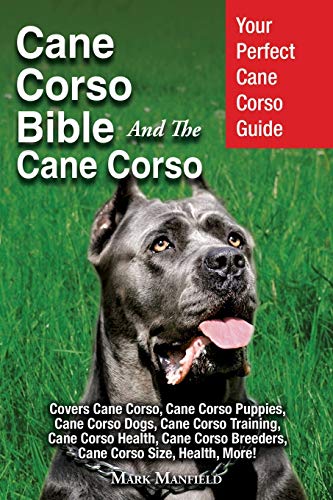
Cane Corso Italian Mastiff Dog: The Complete Breed Guide
Everything you need to know about the Cane Corso Italian Mastiff — temperament, training, health, grooming, and what it truly takes to own this powerful Italian guardian breed.
The Cane Corso Italian Mastiff is one of the most impressive and imposing dog breeds in the world. Originally bred in Italy as a guardian and hunting companion, this ancient mastiff has evolved into a loyal family protector with a devoted following worldwide. If you are considering bringing a Cane Corso into your home, you need to understand what makes this breed unique — its strengths, its challenges, and the level of commitment required.
This guide covers everything a prospective owner needs to know about the Cane Corso, from its rich history to its specific care needs. Whether you are researching the breed before making a decision or preparing to welcome a Cane Corso puppy into your family, the information here will help you make an informed choice.
Origin & History of the Cane Corso
The Cane Corso traces its roots to ancient Rome, where its ancestors were used as war dogs, guardians, and hunters. The name "Cane Corso" roughly translates from Italian as "bodyguard dog" or "coursing dog." The breed descends from the old Roman Molossian dogs, which were also the ancestors of many modern mastiff breeds.
After the fall of the Roman Empire, the Cane Corso became a versatile farm dog throughout southern Italy. They guarded livestock, protected property, hunted wild boar, and drove cattle. Their strength, intelligence, and protective instincts made them invaluable to rural families. However, by the mid-20th century, the breed nearly disappeared as farming practices changed and rural populations declined.
A dedicated group of Italian breeders began restoring the breed in the 1970s, and the Cane Corso was officially recognized by the Italian Kennel Club in 1987. The American Kennel Club recognized the breed in 2010. Today, the Cane Corso is prized worldwide as a guardian, protection dog, and loyal family companion.
Temperament & Personality
The Cane Corso is a confident, intelligent, and fiercely loyal breed. They form deep attachments to their families and are naturally protective of their home and loved ones. This protective instinct is one of the breed's defining characteristics, but it must be channeled through proper training and socialization from an early age.
Key Personality Traits
- Loyal and devoted: Cane Corsos bond closely with their families and want to be near them. They are not the type of dog who thrives when left alone for long hours.
- Protective: They are naturally wary of strangers and will alert to any perceived threat. This protective instinct makes them excellent guard dogs but requires careful management.
- Intelligent and trainable: Cane Corsos are highly intelligent and learn quickly, but they also think independently. They need a confident owner who can provide consistent leadership.
- Calm and confident: When properly raised, they are calm and composed dogs who are not easily rattled. They are not hyperactive but have a serious, watchful demeanor.
- Affectionate with family: Despite their imposing appearance, Cane Corsos are affectionate with their people and enjoy physical closeness. They are often described as gentle giants with their families.
- Dominant tendencies: They may be dominant toward other dogs, particularly those of the same sex. Early socialization and supervision around other animals are essential.
Important: The Cane Corso is not a breed for first-time dog owners or those who cannot commit to ongoing training and socialization. Their strength, size, and protective instincts require an experienced, responsible owner.
Appearance & Size
The Cane Corso is a large, muscular dog with a powerful build and an imposing presence. Their appearance reflects their history as a working guardian — every physical trait serves a purpose.
Physical Characteristics
- Size: Males typically stand 25 to 27.5 inches at the shoulder, while females measure 23.5 to 26 inches. They are substantial dogs but should never appear bulky or overweight.
- Weight: Males usually weigh 99 to 110 pounds or more, while females range from 88 to 99 pounds. Their weight should be proportionate to their height and build.
- Head: Large, broad, and square with a pronounced muzzle. The head is one of the breed's most distinctive features.
- Coat: Short, dense, and stiff. The coat is low-maintenance but sheds moderately year-round.
- Colors: Common colors include black, gray, fawn, red, and brindle. A brindle Cane Corso features a striking tiger-striped pattern that is highly prized. Some dogs have white markings on the chest, paws, or face.
- Tail and ears: Traditionally docked and cropped, though this practice is now banned or discouraged in many countries. Natural ears and tails are becoming more common.
Cane Corso vs Other Mastiffs
The Cane Corso is often compared to other mastiff breeds like the Bullmastiff and Bullmastiff. While they share ancestry, they differ significantly:
- Compare to Bullmastiff: Cane Corsos are generally more athletic and active. Bullmastiffs are typically more laid-back and less driven.
- Compare to Neapolitan Mastiff: Cane Corsos are less wrinkly and more agile. Neapolitans are heavier and more sedate.
- Compare to Presa Canario: Cane Corsos have a more elongated head and are generally more trainable. Presa Canarios are often more dog-aggressive.
Related Breeds to Explore
If you are interested in Cane Corsos, you may also want to research these related breeds:
- Black Cane Corso Mastiff — specific color variant
- Cane Corso Mastiff Breeders — finding reputable sources
- Cane Corso Puppies — what to expect when buying
- Cane Corso Puppies for Sale — breeder listings
Training & Socialization
Training is not optional for a Cane Corso — it is essential. A large, powerful dog with strong protective instincts must be under reliable voice control at all times. Training should begin the moment your puppy comes home and continue throughout the dog's life.
The Importance of Early Socialization
The critical socialization window for puppies is between 3 and 14 weeks of age. During this period, expose your Cane Corso puppy to as many positive experiences as possible:
- Different people: Men, women, children, elderly people, people in uniform, people of different ethnicities. Use treats and praise to create positive associations.
- Different environments: Car rides, vet visits, parks, busy streets, quiet neighborhoods. Start with low-stimulation environments and gradually increase difficulty.
- Other animals: Friendly adult dogs, puppies, cats, and livestock if possible. Supervised interactions only.
- Handling: Touch ears, paws, mouth, and tail. This makes vet visits and grooming much easier throughout life.
- Sounds and objects: Vacuum cleaners, doorbells, bicycles, umbrellas, and other potentially startling stimuli.
Training Approach for Cane Corsos
Cane Corsos respond best to positive reinforcement training that builds trust and respect. They are intelligent and want to please, but they can also be stubborn and independent. Here is how to train them effectively:
- Be consistent: Everyone in the household must use the same commands and rules. Cane Corsos will exploit inconsistency.
- Be firm but fair: They need clear boundaries, but harsh punishment damages trust and can trigger defensive behavior. Use positive reinforcement for desired behaviors and manage the environment to prevent unwanted behaviors.
- Keep sessions short: Ten to fifteen minutes of focused training is more effective than hour-long sessions. End on a positive note.
- Use high-value rewards: Find what motivates your Cane Corso — treats, toys, or praise — and use it consistently.
- Practice in different environments: A behavior learned at home must be practiced in the yard, on walks, and in public places to be reliable.
- Enroll in obedience classes: Professional training classes provide structure, socialization, and expert guidance. Look for trainers who use positive reinforcement methods.
Pro Tip: Consider enrolling your Cane Corso in advanced obedience or protection sports like IPO (Schutzhund) or PSA. These activities provide physical and mental challenges that satisfy the breed's working instincts and strengthen your bond.
Exercise Requirements
Despite their size, Cane Corsos have moderate exercise needs. They are not high-energy dogs like Border Collies or hunting hounds, but they do require daily activity to stay healthy and happy.
Daily Exercise Recommendations
- Walks: Two to three walks per day, totaling 45 to 60 minutes. These provide physical exercise and mental stimulation through sniffing and exploring.
- Play sessions: Interactive play like fetch, tug, or tug toys in a securely fenced area. This builds muscle and strengthens your bond.
- Training: Mental exercise is just as important as physical exercise. Short training sessions tire your Cane Corso out mentally.
- Swimming: Many Cane Corsos enjoy swimming, which is excellent low-impact exercise for their joints.
Important Considerations:
• Avoid intense exercise during hot weather. Their short muzzles and heavy build make them prone to overheating and heat stroke.
• Puppies should not be over-exercised. Too much high-impact activity can damage growing joints. Follow the rule of thumb: five minutes of structured exercise per month of age, twice daily.
• Senior Cane Corsos may develop arthritis and joint pain. Adjust exercise to low-impact activities like swimming or short walks.
Health Issues & Lifespan
Like all large and giant breeds, Cane Corsos are prone to certain health issues. Understanding these risks helps you provide preventive care and make informed decisions when choosing a breeder.
Common Health Problems
| Condition | Description | Prevention/Management |
|---|---|---|
| Hip Dysplasia | Malformation of the hip joint causing pain and arthritis. | Buy from health-tested parents. Maintain healthy weight. Avoid over-exercise in puppies. |
| Elbow Dysplasia | Abnormal development of the elbow joint causing lameness. | Same as hip dysplasia. Canine hip dysplasia resources apply to elbows too. |
| Bloat (GDV) | Life-threatening twisting of the stomach. Common in deep-chested breeds. | Feed smaller meals. Avoid exercise after eating. Consider preventive gastropexy. Know the signs of bloat. |
| Heart Conditions | Including dilated cardiomyopathy and subvalvular aortic stenosis. | Regular vet checkups. Screening by a veterinary cardiologist. |
| Eye Problems | Entropion (inward-rolling eyelids) and ectropion (outward-rolling eyelids). | Regular eye exams. Surgical correction if severe. |
| Skin Allergies | Environmental and food allergies causing itching and skin infections. | Identify triggers. Use canine allergy medicine as prescribed. Consider allergy-friendly diets. |
| Hypothyroidism | Low thyroid hormone causing weight gain, lethargy, and skin problems. | Regular bloodwork. Medication if diagnosed. |
Lifespan
Cane Corsos typically live between 9 and 12 years. This is consistent with other large and giant breeds. Factors that influence lifespan include genetics, diet, exercise, weight management, and preventive veterinary care. Keeping your Cane Corso at a healthy weight is one of the most impactful things you can do to extend their life.
Recommended Health Screenings
When looking for a Cane Corso breeder, ask for proof of the following health tests on both parents:
- Hip evaluation (OFA or PennHIP)
- Elbow evaluation (OFA)
- Cardiac evaluation (OFA or veterinary cardiologist)
- Eye evaluation (CERF or OFA)
- Thyroid evaluation (OFA)
- Genetic testing for breed-specific conditions
Grooming & Care
The Cane Corso has a short, dense coat that is relatively easy to maintain. However, their size and loose jowls require some special attention.
Grooming Tasks
- Brushing: Brush weekly with a rubber curry brush or bristle brush to remove loose hair and distribute natural oils. They shed moderately year-round, with heavier shedding during seasonal changes.
- Bathing: Bathe every 4 to 6 weeks or as needed. Use a mild dog shampoo to avoid stripping natural oils. Their short coat dries quickly.
- Nail trimming: Trim nails every 3 to 4 weeks using nail clippers. Long nails cause gait problems and joint stress.
- Ear cleaning: Clean ears weekly with a dog-specific ear cleaner. Check for redness, odor, or discharge.
- Dental care: Brush teeth several times per week using a dog toothbrush and dog-safe toothpaste. Dental disease is common in large breeds.
- Facial hygiene: Cane Corsos drool, especially after eating and drinking. Wipe their face and jowls regularly to prevent skin irritation. Keep a towel handy in their eating area.
Handling Tip: Because Cane Corsos are large and strong, train them from puppyhood to accept grooming procedures calmly. Practice handling their paws, ears, and mouth during relaxed moments so they cooperate during vet visits and grooming sessions.
Is a Cane Corso Right for You?
Owning a Cane Corso is a significant commitment. Before bringing one home, honestly evaluate whether your lifestyle and experience match the breed's needs.
A Cane Corso May Be Right for You If:
- You are an experienced dog owner who has handled large, powerful breeds before.
- You are committed to ongoing training and socialization throughout the dog's life.
- You have the time and resources for proper exercise, veterinary care, and quality nutrition.
- You want a loyal, protective family companion who will bond deeply with your family.
- You have a securely fenced yard and live in a climate that is not excessively hot.
- You can provide consistent leadership and clear boundaries.
A Cane Corso May Not Be Right for You If:
- You are a first-time dog owner without experience with powerful breeds.
- You work long hours and cannot provide regular companionship and exercise.
- You are uncomfortable with a dog who will be wary of strangers and protective of your home.
- You cannot commit to ongoing training and socialization.
- You live in a hot, humid climate without air conditioning.
- You cannot handle a dog that may drool and sheds moderately.
Cane Corsos and Families with Children
With proper training and socialization, Cane Corsos can be wonderful with children. They are naturally protective of their family and often form gentle bonds with kids. However, their size and strength mean they can accidentally knock over small children. They do best with older children who understand how to interact respectfully with dogs. Always supervise interactions between any dog and young children, regardless of breed.
Buying from a Reputable Breeder
Choosing the right breeder is one of the most important decisions you will make. A responsible breeder prioritizes health, temperament, and the well-being of their dogs above profit. Here is how to find one:
- Do your research: Learn how to find a reputable dog breeder and know the red flags of a bad breeder. Avoid backyard breeders and puppy mills at all costs.
- Ask the right questions: Prepare a list of questions to ask a dog breeder, including health testing results, temperament of the parents, and why they chose to breed this litter.
- Visit the breeder: A good breeder will welcome you into their home to meet the puppies and parents. Use our puppy visit checklist to evaluate the environment.
- Review the contract: A reputable breeder will have a detailed breeder contract outlining health guarantees, return policies, and spay/neuter agreements. Look for a health guarantee for puppies.
- Confirm registration: Puppies should be eligible for AKC registration. Understand the difference between limited vs full registration.
- Know what to expect: Understand puppy prices by breed (note: exact pricing will be discussed directly with the breeder) and be prepared for the costs of owning a giant breed.
Health Testing Is Non-Negotiable: A reputable Cane Corso breeder will have hip, elbow, cardiac, and eye clearances on both parents. Ask to see the actual OFA or PennHIP certificates. If a breeder cannot provide these, walk away.
Cane Corso Breeder Resources
For more specific information, explore these related pages:
- Cane Corso Mastiff Breeders — Finding reputable breeders
- Cane Corso Italiano Puppies — Puppy-specific information
- Cane Corso Puppies for Sale — Breeder listings
- Cane Corso Mastiff Puppies — What to expect
- Black Cane Corso Mastiff — Color-specific guide
- Cane Corso Mastiff Brindle — Brindle pattern guide
Frequently Asked Questions
The Bottom Line
The Cane Corso Italian Mastiff is a magnificent breed that offers unmatched loyalty, protection, and companionship to the right owner. They are not for everyone — they require an experienced, committed owner who can provide structure, training, and socialization throughout their life. If you can meet their needs, you will be rewarded with one of the most devoted and impressive canine companions you could ever hope for. Before buying, always do your due diligence: find a reputable breeder, review health clearances, and prepare your home for a giant breed. A well-bred, well-raised Cane Corso is a truly exceptional dog.