Cheap Registration for Emotional Support Animal: Your Complete Guide
Everything you need to know about getting affordable, legitimate emotional support animal registration — including how to avoid scams, understand your legal rights, and choose the right service for your budget.
If you've been searching for cheap registration for an emotional support animal, you've probably noticed a confusing landscape of websites offering certificates, ID cards, and letters at wildly different price points. Some charge next to nothing while others ask for hundreds. The truth is that the emotional support animal industry is largely unregulated, and understanding what you actually need — versus what you're being sold — is essential before you make any commitment.
This guide cuts through the marketing noise. We'll explain what legal protections exist for ESA owners, what documents actually matter, how to find affordable services that are legitimate, and how to spot the scams that prey on people seeking help. Whether you're a first-time ESA owner or renewing your documentation, this page will help you make an informed decision.
Key Takeaway: The most important document for an emotional support animal is a letter from a licensed mental health professional. Registration certificates and ID cards are optional supplements sold by commercial services — they are not legally required and do not grant rights on their own. Focus your budget on legitimate professional evaluation, not on fancy accessories.
What Is an Emotional Support Animal?
An emotional support animal (ESA) is a companion animal that provides therapeutic benefit to a person with a mental health condition or emotional disability. Unlike service dogs, ESAs are not trained to perform specific tasks. Their presence alone — the comfort, companionship, and sense of security they provide — is what helps their owner manage their condition.
ESAs can be dogs, cats, rabbits, birds, or even other small animals. There is no breed or species restriction, though dogs are by far the most common. The key requirement is that the animal is part of a treatment plan prescribed by a licensed mental health professional for a person with a diagnosed condition.
ESAs vs. Service Dogs vs. Pets
Understanding the distinction is critical because each category has different legal protections:
- Service dogs are trained to perform specific tasks for a person with a disability. They are protected under the Americans with Disabilities Act (ADA) and are allowed in public spaces, including stores, restaurants, and airplanes.
- Emotional support animals provide comfort through companionship. They are protected under the Fair Housing Act for housing and the Air Carrier Access Act for air travel, but they do not have public access rights like service dogs.
- Pets are companion animals without any disability-related need. They are subject to pet fees, pet rent, and breed restrictions.
Important: If you are looking for a service dog rather than an emotional support animal, the process is different. Service dogs require task-specific training and are not covered by ESA registration services. If you're exploring how to get your dog recognized as a service dog, see our guide on how to get your dog to be a service dog.
Many people use the terms interchangeably, but the legal differences are significant. If you're primarily concerned about keeping your pet in rental housing that has a no-pet policy, an ESA letter is what you need. If you need your dog to accompany you into public spaces, you're looking at service dog territory — which requires task training and is a much higher bar.
The Legal Framework: What Registration Actually Means
Here's the truth that many ESA registration websites don't want you to know: there is no official government registry for emotional support animals. No federal agency maintains a database of ESA owners. No law requires you to register your animal with any authority. Registration is a commercial service offered by private companies, not a legal mandate.
What actually matters legally is the ESA recommendation letter from a licensed mental health professional. This letter states that you have a mental health condition recognized by the DSM-5, that the animal is part of your treatment plan, and that you need the animal for your well-being. This document is what landlords and airlines must consider when evaluating accommodation requests.
Legal Reality Check: A registration certificate from a commercial website carries no legal weight on its own. If you present only a certificate and ID card without a letter from a licensed professional, a landlord can legally deny your request. The letter is the foundation — the registration is just a supplement.
Housing Rights Under the Fair Housing Act
The Fair Housing Act (FHA) requires landlords to provide reasonable accommodation for persons with disabilities, including those who use emotional support animals. This means:
- Landlords cannot refuse to rent to you solely because you have an ESA, even in buildings with no-pet policies.
- Landlords cannot charge pet rent or pet deposits for an ESA (though they may charge for actual damage caused by the animal).
- Landlords may request documentation — specifically, a letter from a licensed mental health professional — to verify the need for accommodation.
- Landlords cannot ask about the specifics of your disability or demand medical records beyond the letter.
These protections apply to most housing situations, including apartments, condos, and rental houses. There are limited exceptions, such as small owner-occupied buildings with four or fewer units, but even these have nuanced rules. If you're facing housing discrimination related to your ESA, documenting your situation and consulting a disability rights attorney is advisable.
Air Travel Under the ACAA
The Air Carrier Access Act (ACAA) governs the transportation of emotional support animals on commercial flights. As of recent rule changes, airlines are no longer required to transport ESAs free of charge, and many have tightened their policies. Some airlines now treat ESAs as pets, requiring pet fees and limiting them to cargo or specific cabin areas. Always check with your specific airline before booking, and be prepared to provide documentation even if the airline allows ESAs in the cabin.
For a deeper understanding of the registration side of things, see our guide on emotional support service animal registration.
Understanding ESA Registration Costs
ESA registration costs vary dramatically depending on the service tier and what's included. It's important to understand what you're paying for at each level, because the cheapest option is not always the most legitimate, and the most expensive is not always the best.
Entry-Level / Budget-Friendly Services
These services typically offer a basic registration certificate and ID card with minimal or no professional evaluation. They are the cheapest option but often provide little more than a piece of paper and a plastic card. The legal value is limited because they don't connect you with a licensed mental health professional. Best avoided if you need real legal protection.
Entry-LevelMid-Range Services with Professional Evaluation
These services connect you with a licensed mental health professional for an evaluation and provide a legitimate ESA letter. They may also include a registration certificate and ID card as supplements. This is the sweet spot for most people: real legal documentation at a reasonable cost. Look for services that clearly state their professionals are licensed in your state.
Mid-RangePremium / High-End Services
These services offer faster turnaround, ongoing support, landlord verification calls, and sometimes access to a dedicated case manager. They may also provide travel letters and renewal reminders. The premium you pay is for convenience and support, not for better legal standing — the letter itself has the same legal weight regardless of which service provides it.
PremiumDirect Professional Consultation
The most reliable route: work directly with a licensed therapist or psychologist who specializes in disability documentation. You pay for their time and receive a letter based on a real clinical relationship. This may or may not be the cheapest option depending on the professional's rates, but it offers the strongest legal foundation because the professional has actually evaluated you.
Professional DirectBudgeting Wisdom: Don't shop for ESA registration based on price alone. The cost of a legitimate mid-range service is a small investment compared to the value of housing security. A fake certificate that costs a fraction of the price is worthless when your landlord actually checks. Prioritize a service that provides a letter from a licensed professional — that's the document that matters.
Types of ESA Registration Services
The ESA registration market includes several types of providers, each with different strengths and weaknesses. Understanding these categories helps you make an informed choice.
Online ESA Letter Services
These are the most common type of affordable ESA service. You complete an online questionnaire, pay a fee, and are connected (often via video call or phone) with a licensed mental health professional who evaluates your situation and, if appropriate, writes your letter. These services are convenient and typically fall in the mid-range of the market. The key is to verify that the professional is licensed in your state and that the letter includes all the elements landlords expect.
Local Therapists and Psychologists
If you already have a mental health professional you see regularly, ask them about writing an ESA letter. Many therapists are familiar with the process and can provide documentation as part of your ongoing care. This is often the most legitimate route because the professional knows you and your condition well. If your therapist isn't familiar with ESA letters, you can provide them with a template or refer them to resources.
Registration-Only Websites
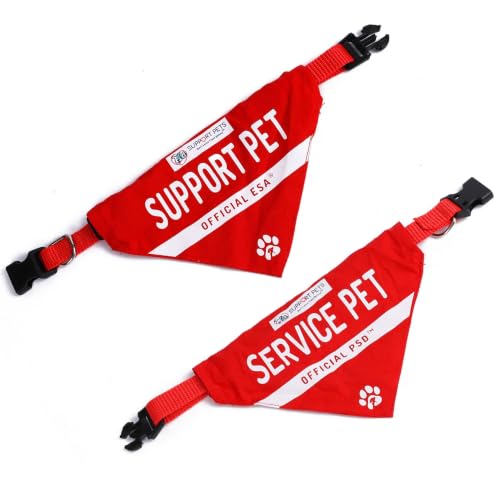
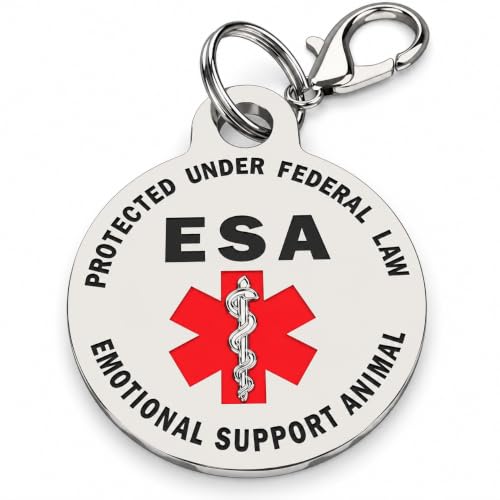
These sites sell certificates, ID cards, and vests without any professional evaluation. They are the cheapest options but also the least useful. A certificate from one of these sites does not satisfy a landlord's request for documentation, and it won't help you with housing accommodation. We recommend avoiding these services unless you're buying a supplement to go alongside a legitimate letter.
Before You Buy: Ask the service these three questions: (1) Is the letter written by a licensed mental health professional in my state? (2) Does the letter include the professional's license number and contact information? (3) What is your refund policy if my landlord rejects the letter? A legitimate service will answer all three clearly and promptly.
How to Get Cheap Registration Step by Step
Getting affordable ESA registration without sacrificing legitimacy is entirely possible if you follow a structured approach. Here's the step-by-step process:
- Assess whether you qualify. To qualify for an ESA, you must have a mental health condition recognized by the DSM-5 that significantly impacts your daily life. Common qualifying conditions include anxiety disorders, depression, PTSD, and panic disorder. If you're unsure, consult a mental health professional before proceeding.
- Choose a service that includes a professional evaluation. Look for services that connect you with a licensed therapist or psychologist. Avoid any service that sells a letter without an evaluation — it's not legitimate. The professional should be licensed in your state and willing to verify their credentials.
- Complete the evaluation honestly. During your consultation, be truthful about your symptoms and how your animal helps you. The professional needs accurate information to write a valid letter. Exaggerating or fabricating symptoms undermines the legitimacy of your documentation.
- Review your letter carefully. Once you receive your letter, check that it includes the professional's name, license number, contact information, your name, the date, a description of your condition, and a clear statement that the animal is part of your treatment plan. If anything is missing, ask for a correction.
- Keep your documentation organized. Store your letter in a safe place and make copies. You'll need it when applying for housing, and you may need to provide it to landlords or airlines. Consider digital backups as well.
- Renew as needed. ESA letters typically need to be renewed annually. Some services offer renewal reminders, while others require you to remember. Mark your calendar so your documentation never expires when you need it.
For additional support with the letter-writing process, see our guide on emotional support animal recommendation letter.
Red Flags: How to Avoid ESA Scams
The ESA industry has attracted its share of bad actors. Knowing the warning signs can save you money and protect you from legal trouble.
- Guaranteed approval without evaluation. No legitimate professional can guarantee approval before evaluating you. If a service promises a letter no questions asked, walk away.
- Certificates sold as legal documents. Any site claiming that a certificate alone grants housing or travel rights is misleading you. Only a letter from a licensed professional provides legal protection.
- Extremely low prices with no professional involvement. If the price seems too good to be true, it probably is. A legitimate evaluation takes time and professional expertise, which costs money.
- No license verification. Legitimate services will provide the professional's name and license number, and you should be able to verify their credentials with your state's licensing board.
- Claims about public access rights. ESAs do not have the right to accompany you into stores, restaurants, or other public spaces. Any service claiming otherwise is misinformed or dishonest.
- Pressure to buy immediately. High-pressure sales tactics are a red flag. Take your time, compare services, and choose based on legitimacy, not urgency.
Report Scams: If you encounter a fraudulent ESA service, report it to your state's attorney general and the Better Business Bureau. Scams harm people who genuinely need support animals and undermine the credibility of legitimate services.
Your Rights as an ESA Owner
Understanding your rights is important, but it's equally important to understand the limits of those rights. Here's what the law actually says:
What You Are Entitled To
- Reasonable accommodation in housing, including waiving no-pet policies.
- Exemption from pet rent and pet deposits in most housing situations.
- The right to keep your ESA with you in your home, provided the animal does not pose a direct threat to others.
- Protection from discrimination based on your disability or your need for an assistance animal.
- Access to air travel with your ESA, subject to airline policies and documentation requirements.
What You Are Not Entitled To
- Public access to stores, restaurants, or other businesses with your ESA (unlike service dogs).
- Exemption from breed or weight restrictions that are applied uniformly and not based on disability.
- The right to take your ESA to work, unless your employer specifically allows it as an accommodation.
- Exemption from local animal control laws, licensing requirements, or vaccination mandates.
- Blanket protection against eviction if your animal causes damage or poses a safety risk.
If you're considering how your ESA fits into your broader dog care routine, our dog care guide covers everything from nutrition to training to health, ensuring your companion is well-cared for in every way.
Frequently Asked Questions
Final Thoughts: Getting cheap registration for an emotional support animal is possible — but "cheap" should never mean "fake." The most important investment you can make is a legitimate evaluation from a licensed mental health professional who can write a valid ESA letter. Registration certificates and ID cards are optional extras that can supplement your letter but cannot replace it. Choose a mid-range service that prioritizes professional credentials and transparent pricing. Your housing security and peace of mind are worth far more than the small amount you might save by cutting corners. If you're also interested in how to register an ESA or want to understand the broader registration landscape, our detailed guides can help you navigate the process with confidence.