Digestive Enzymes for Dogs: A Comprehensive Guide
Does your dog suffer from gas, loose stools, or a sensitive stomach? Discover how digestive enzymes can support your dog's gut health, improve nutrient absorption, and lead to a happier, healthier life.
Like humans, a dog's digestive system is a complex ecosystem responsible for breaking down food, absorbing nutrients, and maintaining overall health. At the heart of this process are digestive enzymes—specialized proteins that act as biological catalysts to break down food into smaller, absorbable components [citation:2]. For many dogs, the body produces these enzymes naturally. However, certain conditions, age-related changes, or dietary challenges can hinder this production, leading to digestive issues and malnutrition.
If you've noticed your dog experiencing frequent diarrhea, unexplained changes in appetite, or excessive gas, digestive enzyme supplements might be a solution worth exploring. This guide will walk you through everything you need to know, from the science behind these enzymes to how to choose the right product for your furry friend.
What Are Digestive Enzymes?
Digestive enzymes are essential proteins that your dog's body uses to break down the three major macronutrients in their food: proteins, fats, and carbohydrates [citation:2][citation:6]. The pancreas is the primary organ responsible for producing and secreting these enzymes. Without them, the food your dog eats would pass through their system undigested, meaning they wouldn't absorb the vital nutrients they need to thrive [citation:6].
Think of them as tiny, highly efficient scissors that cut large food molecules into smaller pieces, making it easy for the body to absorb them. A deficiency in these enzymes, known as Exocrine Pancreatic Insufficiency (EPI), is a serious condition that requires veterinary intervention and typically involves enzyme replacement therapy [citation:6]. However, even a mild insufficiency can cause chronic digestive discomfort.
Key Insight: Enzymes are crucial for your dog's health. A dog's ability to digest protein and fat can decline by up to 9% as they age, which is why senior dogs often benefit from enzyme support [citation:3].
Key Benefits of Digestive Enzymes for Dogs
Adding a high-quality digestive enzyme to your dog's daily routine can provide a range of benefits, especially if they have a sensitive stomach. Here are some of the most common improvements owners report [citation:2][citation:4].
- Improved Nutrient Absorption: By breaking down food more efficiently, enzymes help ensure your dog absorbs more vitamins, minerals, and amino acids from their meals [citation:2][citation:4]. This can lead to a shinier coat, healthier skin, and increased energy levels.
- Reduced Digestive Discomfort: For dogs suffering from gas, bloating, or stomach gurgling, enzyme supplements can help reduce these uncomfortable symptoms by ensuring food is properly digested before it reaches the lower gut [citation:2].
- Firmer Stools: One of the most visible signs of good digestive health is a firm, consistent stool. Enzymes can help "normalize" stools, reducing the frequency of accidents in the house or loose stools [citation:2][citation:5].
- Smoother Food Transitions: Changing your dog's food can often lead to an upset stomach. Some enzyme blends are specifically designed to support digestion during these dietary changes, minimizing digestive upset [citation:1][citation:4].
- Better Overall Gut Health: Many enzyme products are combined with probiotics and prebiotics, providing a comprehensive approach to digestive wellness. This three-pronged attack—enzymes, probiotics, and prebiotics—helps maintain a healthy balance of gut flora [citation:2][citation:4].
Types of Digestive Enzymes
A good digestive enzyme supplement for dogs will contain a broad spectrum of enzymes to target different food components [citation:3][citation:6].
Protease
This enzyme is specifically designed to break down proteins into amino acids. It's essential for muscle repair, immune function, and a healthy coat. Without enough protease, your dog may experience poor coat quality and muscle wasting [citation:6].
Lipase
Lipase targets fats, breaking them down into fatty acids and glycerol. This is crucial for energy production and the absorption of fat-soluble vitamins like A, D, E, and K. A deficiency can lead to greasy stools and weight loss [citation:6].
Amylase
Amylase is the enzyme responsible for breaking down carbohydrates, which includes starches and fibers. While dogs produce some amylase in their pancreas, the amount can be minimal compared to humans, making this a helpful addition [citation:3][citation:6].
Cellulase
Cellulase is a specialized enzyme that helps break down plant fiber (cellulose). Since dogs are not efficient at digesting fiber, adding cellulase can help unlock additional nutrients from plant-based ingredients in their food [citation:1][citation:4].
When Does Your Dog Need Digestive Enzymes?
It's important to understand that enzyme supplements are not a cure-all, and for many healthy dogs, they are unnecessary. A study on healthy adult Beagles found that enzyme supplementation did not significantly increase the digestibility of a commercial dry diet [citation:8]. This suggests that for dogs with normal digestion, the body produces enough of its own enzymes to handle a standard diet.
So, when are these supplements beneficial? They are most useful for dogs facing specific challenges.
- Exocrine Pancreatic Insufficiency (EPI): This is a serious medical condition where the pancreas fails to produce sufficient digestive enzymes. Dogs with EPI require veterinary-diagnosed and prescribed enzyme replacement to digest food and absorb nutrients effectively. This is the primary use case for high-potency pancreatic enzymes [citation:6].
- Senior Dogs: As dogs age, their digestive system can become less efficient, and their natural enzyme production may decline [citation:3]. Senior dogs may benefit from a daily enzyme supplement to help maintain a healthy weight and improve nutrient absorption. Look for products like Syner-G, which recommends doubling the dose for dogs eight years or older [citation:9].
- Sensitive Stomachs: If your dog regularly suffers from gas, bloating, or loose stools, an enzyme blend combined with probiotics and prebiotics can help restore balance and comfort [citation:2][citation:4].
- During Dietary Changes: When transitioning to a new food, adding enzymes can help prevent digestive upset, as the dog's system adapts to a new protein or ingredient source [citation:1][citation:4].
- After Antibiotic Treatment: Antibiotics can disrupt the natural balance of gut flora. Using a comprehensive supplement with enzymes and probiotics can help repopulate the gut with beneficial bacteria and support recovery [citation:5].
Important Note: For conditions like EPI, enzyme supplements are a medical necessity, and you should never start treatment without a proper veterinary diagnosis. For other issues, a dietary supplement can be a helpful part of a holistic approach to health, but it's always best to consult your veterinarian to rule out underlying medical problems [citation:6].
Choosing the Right Digestive Enzyme Supplement
With so many options on the market, selecting the right supplement for your dog can feel overwhelming. Here’s what to look for [citation:2][citation:4].
- Look for a Broad Spectrum: Choose a product that contains a blend of essential enzymes, including Protease, Lipase, Amylase, and Cellulase. This ensures comprehensive support for all food types [citation:1][citation:4].
- Check for Potency (Activity Units): Look beyond the ingredient list and check the "Guaranteed Analysis." This section shows the enzyme activity in specific units (e.g., SKBU, LU, CMCU, PU), which is a measure of how powerful the enzyme is, not just how much of it is present [citation:1][citation:4].
- Prefer Combination Formulas: Many of the best supplements combine enzymes with probiotics (like Bacillus coagulans or Lactobacillus acidophilus) and prebiotics (like fructooligosaccharides, or FOS). This provides a more holistic approach to digestive health [citation:1][citation:2][citation:5].
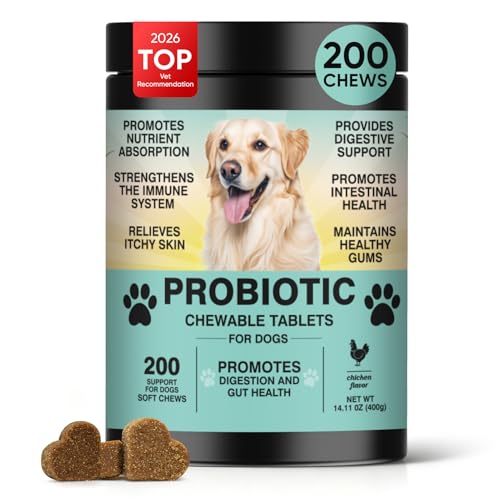
- Consider the Form: Supplements are available as powders, chews, and tablets. Powder form is generally the most effective and easiest to mix with food, as it provides immediate contact with the food before it reaches the stomach [citation:2].
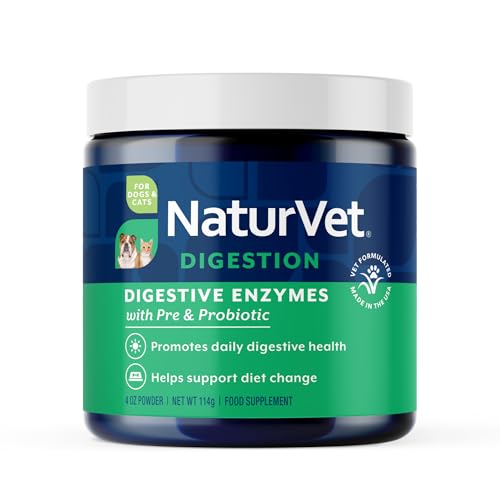
- Brand Reputation: Choose a reputable brand that is veterinarian-formulated and manufactured in a cGMP-compliant facility [citation:11]. Brands like NaturVet, Davis, and VET CLASSICS are well-known and have positive customer reviews [citation:1][citation:4][citation:5].
Safety, Side Effects, and Dosage
Digestive enzyme supplements are generally safe for dogs when used correctly, but there are important safety guidelines to follow [citation:6][citation:10].
- Consult Your Veterinarian First: Before starting any new supplement, especially for dogs with known health issues, get the green light from your vet. They can help rule out underlying diseases and recommend the right product [citation:6].
- Be Aware of Side Effects: Some dogs may experience mild side effects like diarrhea, vomiting, gas, or mouth irritation. Inhaling the powder can also be irritating to the lungs. If you notice any of these signs, discontinue use and consult your vet [citation:6][citation:10].
- Start with a Low Dose: Follow the manufacturer's feeding directions based on your dog's weight. Starting with a half-dose for the first few meals can help your dog's system adjust and minimize side effects [citation:1][citation:4].
- Proper Administration: Most enzyme powders should be mixed directly into your dog's food. Some products recommend letting the food stand for a few minutes before serving to allow the enzymes to begin breaking down the food [citation:6].
Warning: Do not give pancreatic enzyme supplements to dogs with a pork allergy, as they are often derived from porcine sources. Also, if your dog takes antacids, it may reduce the effectiveness of the enzymes, so consult your vet for proper timing [citation:6].
Frequently Asked Questions
Conclusion: While not a magic bullet for every dog, digestive enzyme supplements can be a powerful tool to support gut health, improve nutrient absorption, and alleviate digestive discomfort. By understanding the science behind them and choosing a high-quality product, you can help ensure your dog lives a happier, healthier life. Always remember to consult your veterinarian first to make the best choice for your canine companion.
You can find top-quality digestive enzyme supplements in the products section below, featuring vet-recommended brands that can make a real difference in your dog's digestive well-being.