My Dog Has Diarrhea and Is Throwing Up But Acting Normal
A practical, vet-informed guide to understanding and managing a dog who is vomiting and has diarrhea, yet still seems happy, playful, and eating. Learn the possible causes, when to worry, and how to support their recovery at home.
It's a scenario many dog owners face: your furry friend vomits, has a bout of diarrhea, and yet is wagging their tail, playing with their toys, and begging for treats. The contradiction is confusing and often worrying. What does it mean when a dog has these symptoms but is acting normal? This comprehensive guide explains the common causes, offers evidence-based home management strategies, and highlights the critical warning signs that require immediate veterinary attention.
⚠️ Important Note: This guide is for informational purposes and should not replace professional veterinary advice. If you are ever in doubt, or if your dog is a young puppy, senior, or has underlying health conditions, contact your veterinarian immediately. The information here applies to dogs who are truly acting normal—eating, drinking, playing, and with normal energy levels.
Understanding the situation starts with recognizing that the digestive system can be sensitive. The vomiting and diarrhea are often the body's way of expelling something it deems harmful or irritating, such as dietary indiscretion (eating something they shouldn't have), a sudden food change, or stress. When the rest of the system is functioning well, the dog can continue to act normally. However, it's a delicate balance that requires careful monitoring.
Common Causes of Vomiting and Diarrhea with Normal Behavior
When your dog is showing signs of digestive upset but is otherwise fine, it usually points to a mild and often self-limiting issue. Here are the most frequent culprits:
- Dietary Indiscretion: This is the number one cause. It includes eating table scraps, garbage, grass, or other non-food items. The stomach reacts by vomiting, and the intestines respond with diarrhea to flush out the irritant. As long as it's not toxic, the dog may feel a bit off but their general demeanor remains bright.
- Sudden Diet Change: Even switching to a high-quality dog food for sensitive stomachs too quickly can disrupt the gut microbiome, causing vomiting and diarrhea. A gradual transition over 7-10 days is always recommended.
- Stress or Anxiety: Dogs can experience digestive upset due to stress, much like humans. This could be from a boarding stay, a new environment, a loud event (fireworks, storms), or a change in routine.
- Food Intolerance or Mild Allergy: Some dogs have a sensitivity to a specific ingredient (like chicken, beef, or grains). This can manifest as intermittent digestive issues. If you suspect this, an elimination diet can be a helpful diagnostic tool under veterinary guidance.
- Parasites: Intestinal worms can cause chronic or intermittent diarrhea and vomiting. Even if your dog is on a preventative, it's not 100% effective. A fecal test at your vet can identify this.
✅ Key Takeaway: The fact that your dog is acting normal—eating, drinking, and playful—is a strong indicator that the condition is likely mild and not systemic. The priority is to support their recovery while closely monitoring for any deterioration.
What to Do: A Step-by-Step Home Care Plan
If your dog is acting normally but has diarrhea and vomiting, you can start with supportive care at home. The goal is to rest the digestive system, rehydrate, and slowly reintroduce bland food.
- Withhold Food, Not Water: For 6 to 12 hours, remove all food. This gives the gastrointestinal tract a rest from the work of digestion. However, fresh, clean water must always be available to prevent dehydration.
- Monitor Hydration: Check for signs of dehydration by gently lifting the skin at the back of the neck. In a well-hydrated dog, the skin should snap back immediately. If it tents (stays up), they need more fluids. You can also offer a small amount of unsalted broth to encourage drinking.
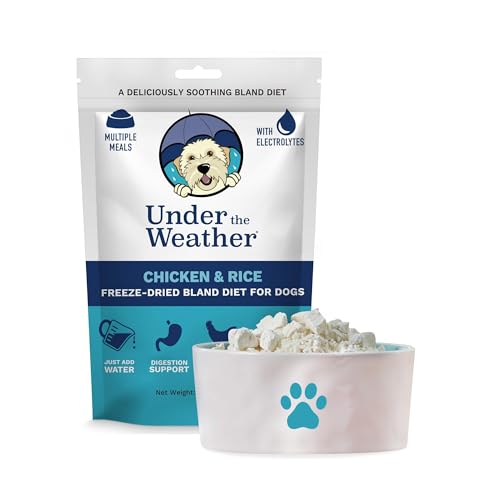
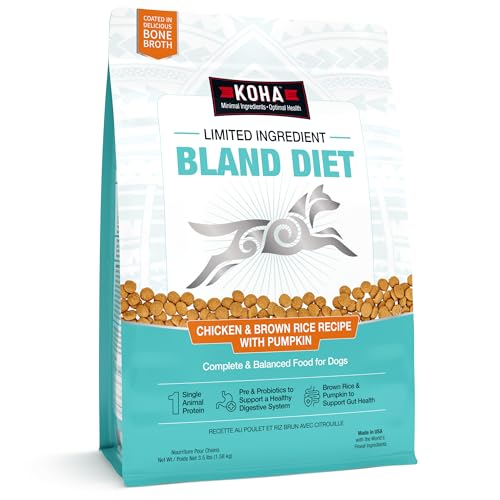
- Start a Bland Diet: After the fasting period, introduce a bland, easy-to-digest meal. The classic recipe is boiled, skinless, boneless chicken breast and plain white rice (not brown). Boil the chicken thoroughly, shred it, and mix 1 part chicken with 2 parts rice. Feed small portions several times a day.
- Introduce a Probiotic: A probiotic supplement or plain, unsweetened yogurt (with live cultures) can help restore the balance of good bacteria in the gut. You can also use a canine-specific digestive enzyme supplement. Check with your vet for recommended products.
- Add Pumpkin: Plain, 100% canned pumpkin (not pumpkin pie mix) is a fantastic source of soluble fiber. It can help absorb excess water in the intestines and firm up the stool. Add 1-4 tablespoons to their bland meal, depending on their size.
- Gradually Reintroduce Normal Food: After a day or two of the bland diet and if symptoms have resolved, you can slowly mix their regular food back in over 3-5 days, increasing the proportion each day.
🧂 Important: Avoid any fatty foods, oils, spices, and especially dairy (other than plain yogurt) during this recovery period. These can worsen diarrhea and make the dog feel sicker. Stick to the simple, bland diet until they are completely back to normal.
When to Call the Vet: Red Flags
While most mild cases resolve with home care, certain signs indicate a more serious problem. If you observe any of the following "red flags," it's time to call your veterinarian immediately or visit an emergency clinic.
🟢 OK Signs (Monitor at Home)
- Acting normally, playing, and energetic
- Drinking water and interested in food
- Mild, one-time vomiting
- Slightly soft stool without blood
- No signs of abdominal pain or distension
- Symptoms improving within 24 hours
🔴 Vet Visit Required
- Lethargy, weakness, or inability to stand
- Vomiting multiple times in an hour or for more than 12 hours
- Blood in vomit or stool (bright red or dark, tarry)
- Refusing to drink water or signs of dehydration
- Abdominal pain (whining, restlessness, or a "praying" position)
- Known ingestion of a toxic substance (e.g., grapes, chocolate, xylitol)
- A young puppy, a senior dog, or a dog with pre-existing health issues
🚨 Emergency Situations: If your dog is vomiting profusely, has a distended stomach, or is showing signs of severe pain, this could be a sign of a life-threatening condition like bloat (gastric dilatation-volvulus) or a gastrointestinal blockage. In these cases, every minute counts. Do not delay—go to the nearest emergency veterinary hospital. Early detection and surgery are often critical for survival.
Preventing Future Digestive Upsets
Once your dog has recovered, it's wise to take steps to reduce the chances of a repeat episode. A proactive approach to your dog's digestive health can save them (and you) a lot of stress.
- Maintain a Consistent Diet: Stick to a high-quality, balanced diet. If you need to change foods, transition slowly over 7-10 days by mixing increasing amounts of the new food with the old.
- Limit Table Scraps: While sharing a small piece of unseasoned, cooked meat can be a treat, be very cautious about human food. Many common foods are toxic to dogs, and even safe foods can cause stomach upset.
- Manage Stress: If your dog is prone to stress-related digestive issues, consider using calming aids like pheromone diffusers or an anxiety wrap during potentially stressful events.
- Regular Veterinary Checkups: Routine wellness exams can catch underlying issues early. A discussion about your dog's diet and digestive health with your vet is always beneficial. Keeping up with parasite prevention is also crucial.
- Use Digestive Supplements: For dogs with a sensitive system, a daily probiotic or digestive enzymes can help maintain a healthy gut flora and improve digestion, reducing the likelihood of acute episodes.
Remember, a dog with a healthy digestive system is generally a happier, more comfortable dog. By paying attention to their diet and routine, you can support their overall well-being. For more detailed information on canine health and care, check out our comprehensive guides on dog health products and senior dog care.
Frequently Asked Questions
🐶 The Bottom Line: Seeing your dog with diarrhea and vomiting is stressful, but if they are acting normal, it's usually not a cause for panic. By following a careful home care plan and watching for red flags, you can help them recover. Always trust your instincts and your vet's advice—they are the best allies for your dog's health.